Guangzhou Liangdian Automotive Supplies Co., Ltd.
Guangzhou Liangdian Automotive Supplies Co., Ltd.

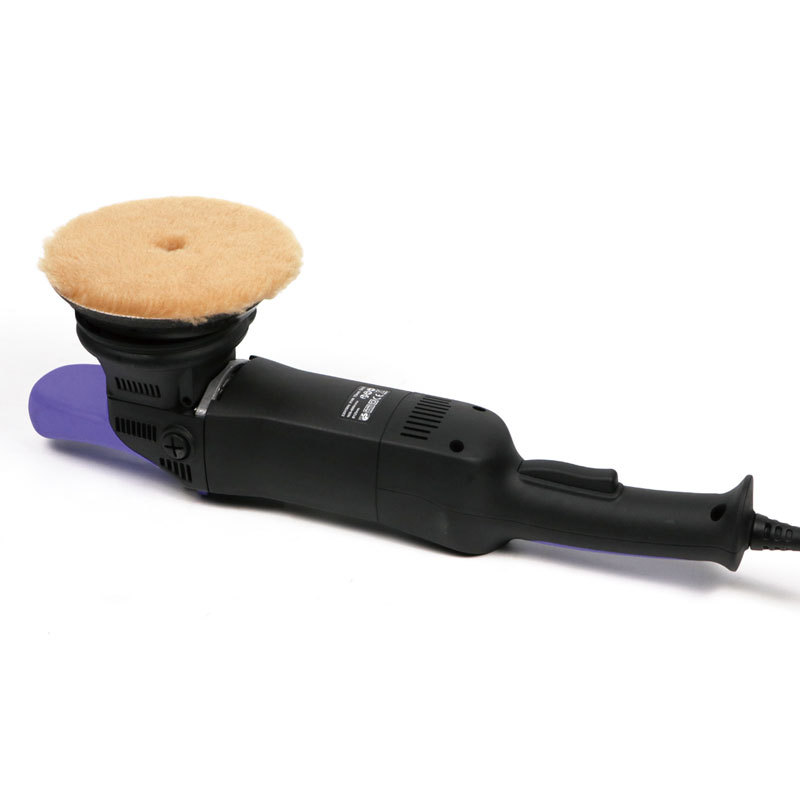
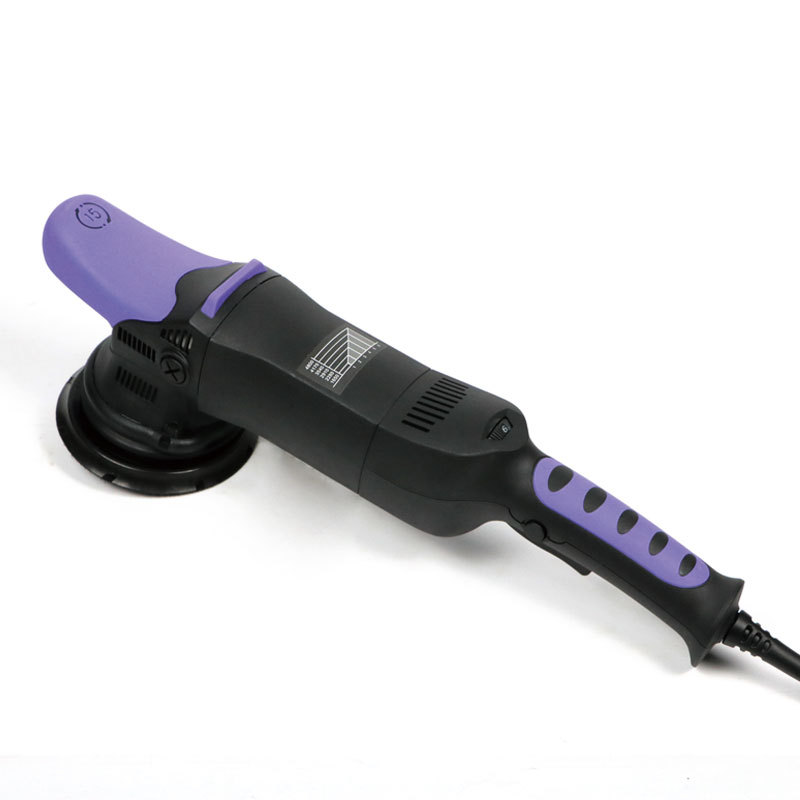





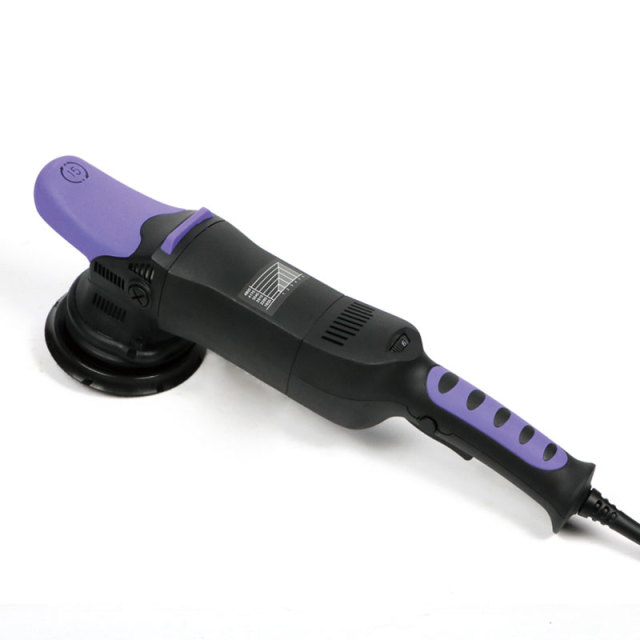
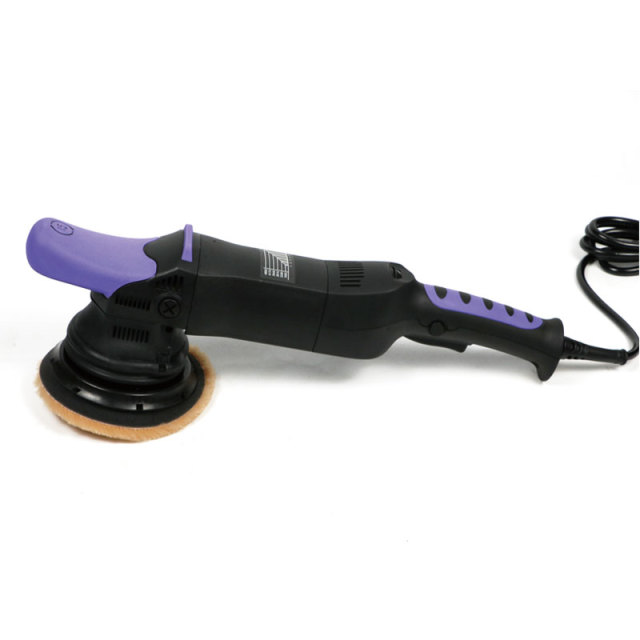

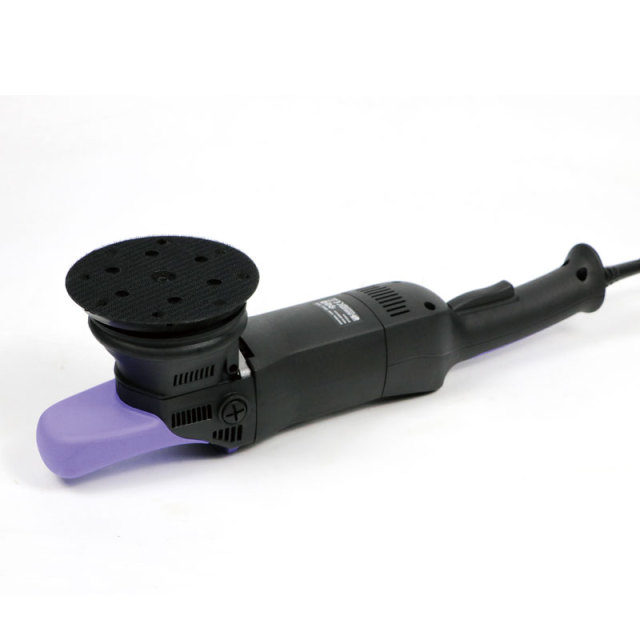

The 5 inch da polisher is the machine a bay reaches for once hand polishing stops paying. A 15 mm orbital stroke turns a 5 inch backing plate, electronic control steps the motor through six speeds between 1,700 and 4,800 rpm, and the body is shaped for two hands — a purple side handle that threads into the housing and a rear grip cut with finger grooves. One unit covers compounding, refining and finishing: the pad and the compound change, the machine does not.
Buyers arrive at it from two directions. A distributor choosing a dual action polisher supplier wants a machine that sits credibly beside the compounds and pads already on the shelf, and wholesale car polisher orders usually start with a single unit that gets tested hard before a reorder follows. A detailing shop wants a second or third machine so two technicians are not queueing for the same tool, or a first machine after years of correction done by hand.
Because the pad orbits while it spins, the machine keeps working across the panel instead of sitting in one spot, which makes it easier to control on edges and soft finishes than a rotary held in one place. That is also its limit. A dual action machine will not take out deep scratches or sanding marks the way a rotary does; it is the tool that removes swirls, wash marks and light defects, and then finishes the panel properly.
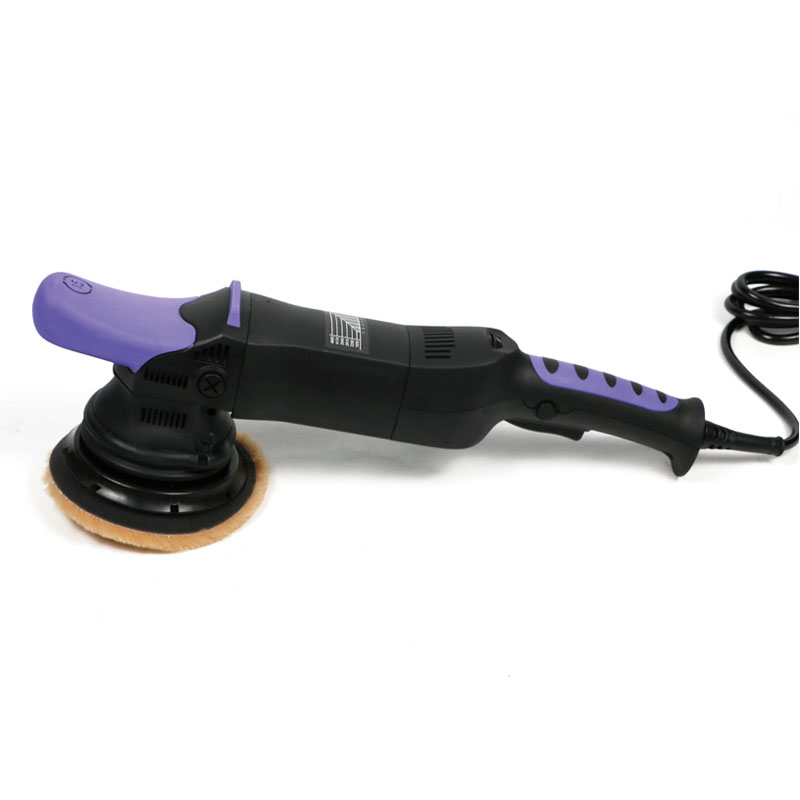
A 15 mm orbit is the middle ground of dual action machines, and it is why the 15 mm orbit polisher suits correction and finishing on the same panel. Every extra millimetre of orbit does more work per revolution but makes the machine harder to hold flat on a tight curve; a very small orbit is gentle and slow. At 15 mm this one takes out swirls and light washing marks with a cutting pad and still finishes cleanly with a soft pad, which is the compromise most shops want from a single machine.
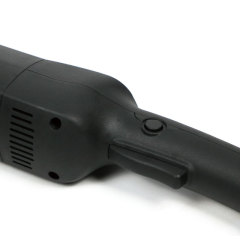
The 6 speed da polisher runs from 1,700 rpm at the bottom of the band to 4,800 rpm at the top, and those settings are electronic — the dial selects a speed and the trigger starts and stops the motor. Low settings are for spreading compound evenly across the pad face and for slow finishing passes; the middle of the range carries most compounding; the top end is for stubborn defects and large flat panels where the operator can keep the machine moving. The figure quoted is no-load speed, so the pad always runs slower once it is pressed against paint. That is normal for this type of machine, and it is why pressure is controlled by the operator rather than by the dial.
The practical rule is to let the orbit do the work. Keep the pad flat, keep the machine moving, and change pad or compound before reaching for a higher speed. Speed is a way of matching the polish to the panel, not a way of pushing harder.
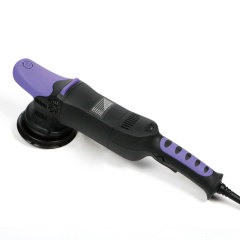
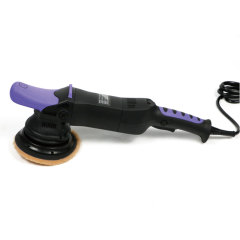
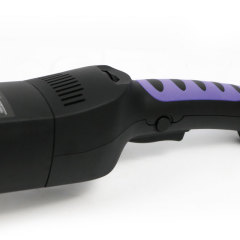
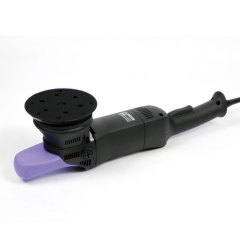
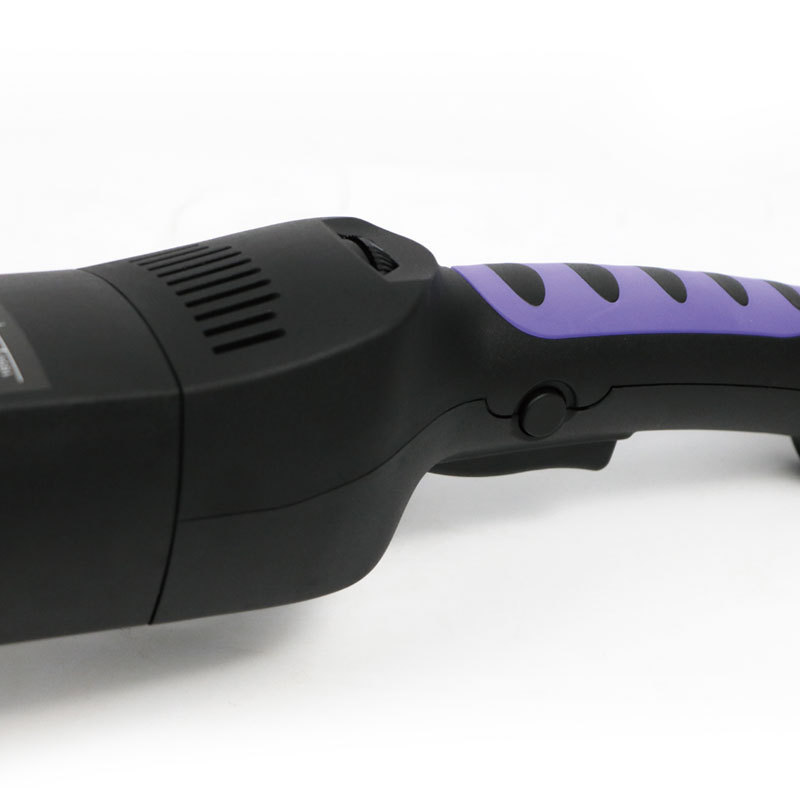
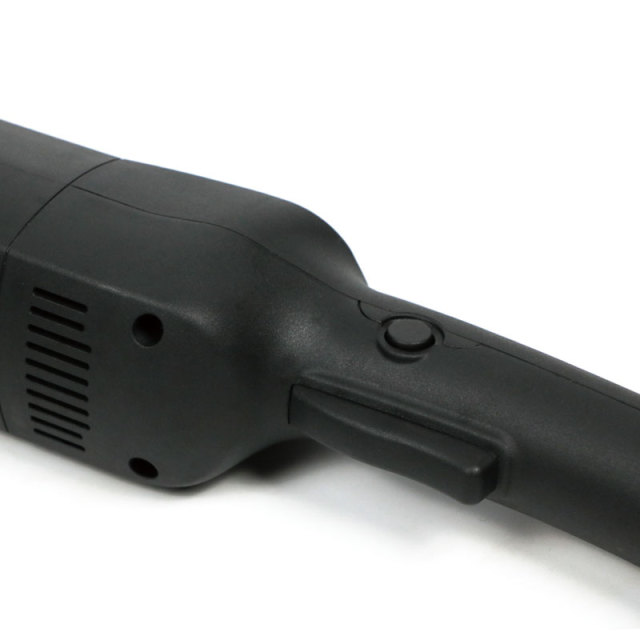
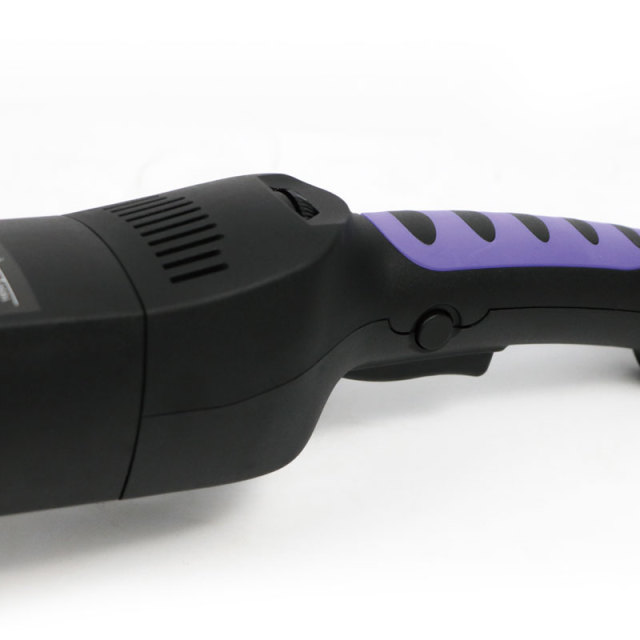
The body is long and slim, with a vented motor housing in matte black and purple grips at the front loop and the rear handle. That shape matters over a long pass on the 15 mm orbit polisher: the loop at the head lets the operator steer the pad while the rear hand takes the weight, and the finger grooves keep the trigger hand from sliding as the machine warms up. The side handle threads into a mount on the housing and comes off when the machine has to go into a tight space.
Run it with the pad flat and the cord over the shoulder rather than trailing across the panel. Start the 6 speed da polisher on the paint at the selected speed, keep it moving in overlapping passes, and lift it off before stopping — starting or stopping a spinning pad in one place is how marks get made. Let the machine idle and cool between long passes; the vents move air through the housing, but they can only do so much.
After a session, wipe the housing with a damp cloth and dry it before the machine goes back on the shelf, and clear compound dust out of the vents with a soft brush rather than a blast of air, which drives dust further in. Coil the cord loosely and check it for nicks before the next job. Pads come off the plate and get washed separately; a pad left on a plate dries into the plate's shape and never sits flat again.
Store the machine with the plate bare in a dry place. Before each job, check the plate for damage, spin it by hand, and check that the side handle is tight. If the machine starts to feel rough or the speed wanders, stop using it and talk to us rather than running it to failure.
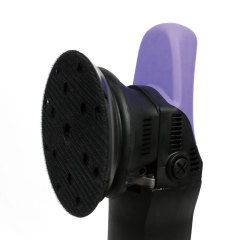
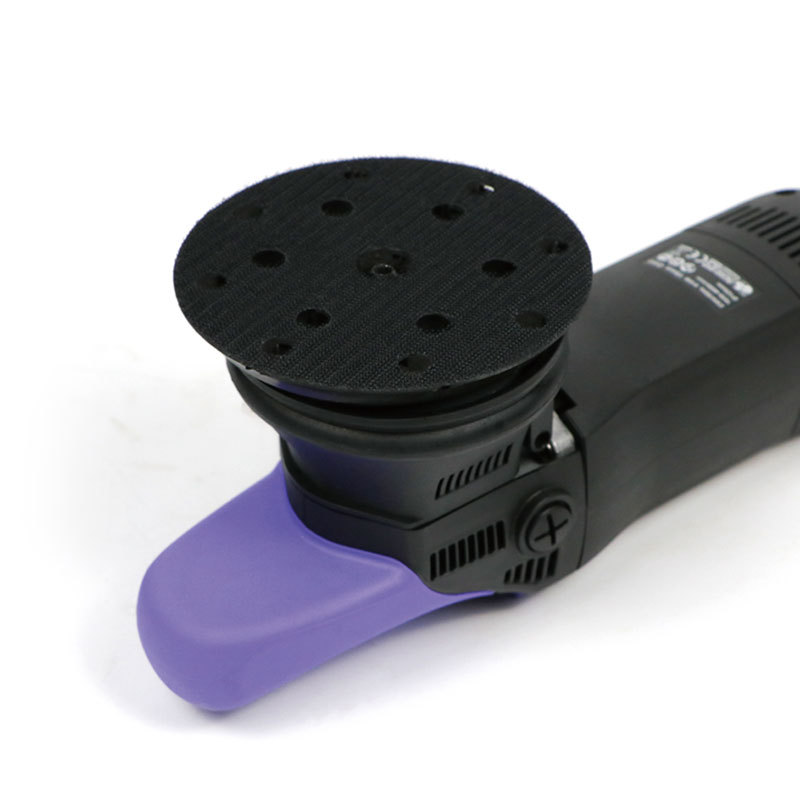
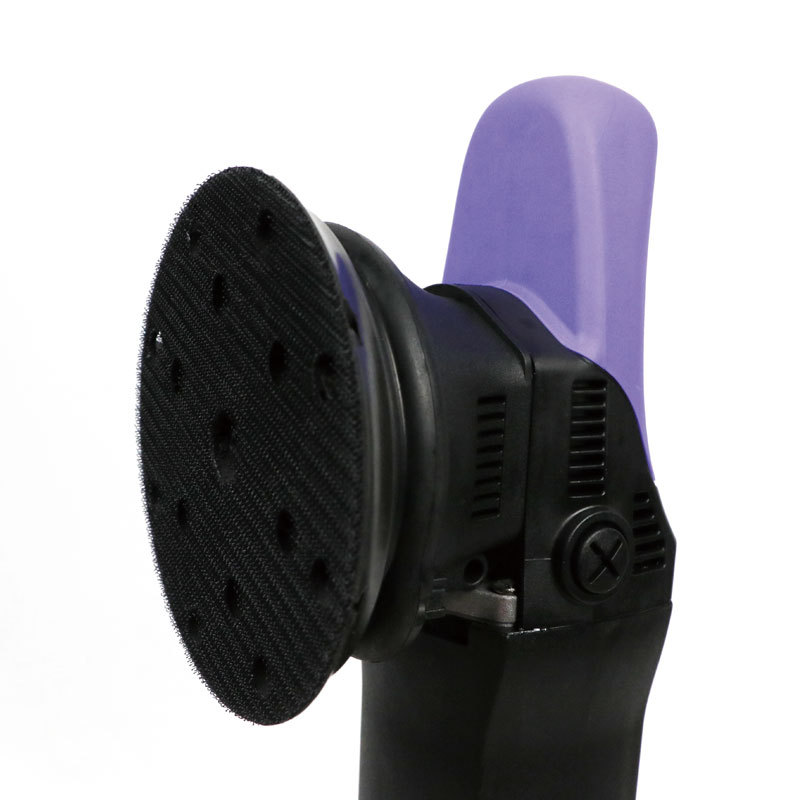
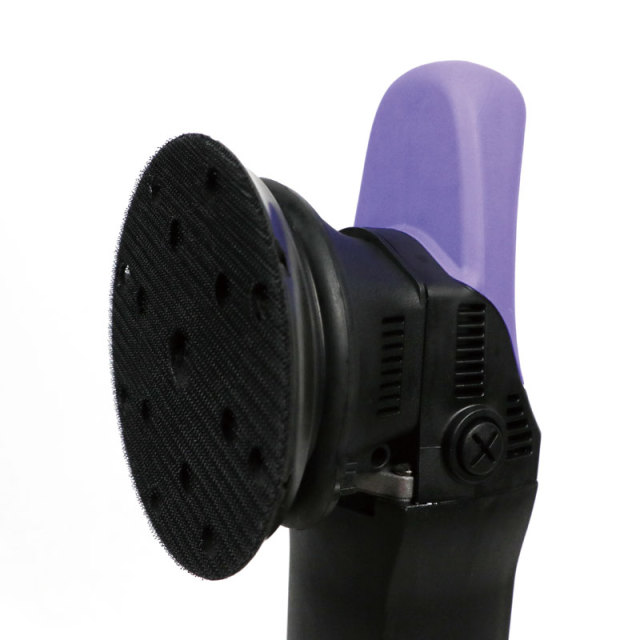
The backing plate is what the buyer lives with, so it is worth being clear about it. The 5 inch da polisher is fitted with a 5 inch plate, and that sets the working size of everything else: 5 inch pads, a 5 inch working face, and a machine that covers a door or a wing without overhanging the trim. It is the size most detailing shops standardise on precisely because one pad size then covers most of the car.
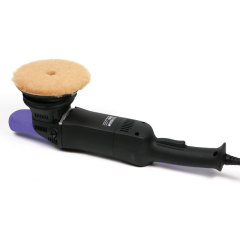
Pad choice follows the plate. A cutting foam or a wool pad takes the compounding step, a polishing pad takes the refinement, and a soft finishing pad takes the last pass. Wool cuts faster and runs hotter; foam gives more control on soft paint. Change the pad before compound dries in it, and keep one pad per compound so cutting residue never ends up in a finishing pass. Pads are shown fitted to the plate in some views and with the plate bare in others, so check the backing style you plan to run against the plate face when you order.
Treat the plate as a wear part. A plate that has been dropped or run hot can develop a wobble that shows up as hop in the machine, and no amount of technique fixes it. If you plan to run two compounds back to back, ask your sales contact whether a spare backing plate is available for this model so a swap does not stop the bay.
- Power rating — this is an electric car polisher 900W on our main specification, drawing 6.5 A; an earlier spec sheet for the same machine shows 810 W, so confirm the rating for the version you are ordering and make sure the label and the invoice agree.
Voltage — listed as AC230/110 at 50/60 Hz, with 220 V also appearing in the older spec sheet. The version has to match the destination market; tell us the country and we will confirm voltage and plug type.
Frequency — 50/60 Hz covers both the 50 Hz and the 60 Hz markets this model is sold into.
Certification — CE, GS and EMC are stated for this model. Ask for the certificate copies and the declaration that match the version you are buying, and check them against your market's requirements before you commit.
Corded supply — the machine runs from a wall socket, so plan the bay around cable reach and a socket the operator is not stepping over.
What to include in the enquiry — destination country, plug type and the certification set your market expects, so the correct version can be confirmed before the order is released.
| Model | T-724 |
|---|---|
| Product type | Dual action electrical polisher |
| Orbit diameter | 15 mm |
| Disc diameter | 5 inch |
| Installed backing plate | 5 inch |
| Rated power | 900 W / 6.5 A |
| Rated voltage | AC230/110 |
| Rated frequency | 50/60 Hz |
| No-load speed | 1,700–4,800 rpm |
| Speed control | Electronic, 6 speed |
| Color | Black and purple |
| Certification | CE / GS / EMC |
| Place of origin | Guangdong, China |
| Brand | SURAINBOW |
If a machine goes wrong, the useful question is not who to blame but which batch it came from. Every unit is checked against the approved specification before packing, and the inspection records stay on file. As a da polisher manufacturer we can trace a unit back through the order it shipped on and the batch it was built in, which is what makes a complaint answerable rather than a conversation about impressions. Report a fault with the order reference, the batch if you have it, the quantity affected and a short video of the machine running. A machine that sparks, smells hot or runs rough should be switched off and set aside, not run until it fails. On arrival, open the cartons and inspect them before the units go into stock. Transit damage and short shipments are far easier to resolve when they are reported as soon as the carton is opened, and faults in use are far easier to trace when the order reference and the batch go into the first message.
SURAINBOW is run by Guangzhou Liangdian Automotive Supplies Co., Ltd., a factory-trade operation set up in Guangzhou in 2010 and now 50 people strong. Sixteen years in car care have given us a one-stop supply position: our own SURAINBOW lines are held in stock for fast shipping, and an associate factory with modern production equipment and an established quality management system keeps replenishment moving. We take OEM and ODM work and our R&D team develops to your specification. Buyers in the Middle East, the United States, Southeast Asia, Europe, the UK, Russia, Africa and Australia already order from us.