Product Overview
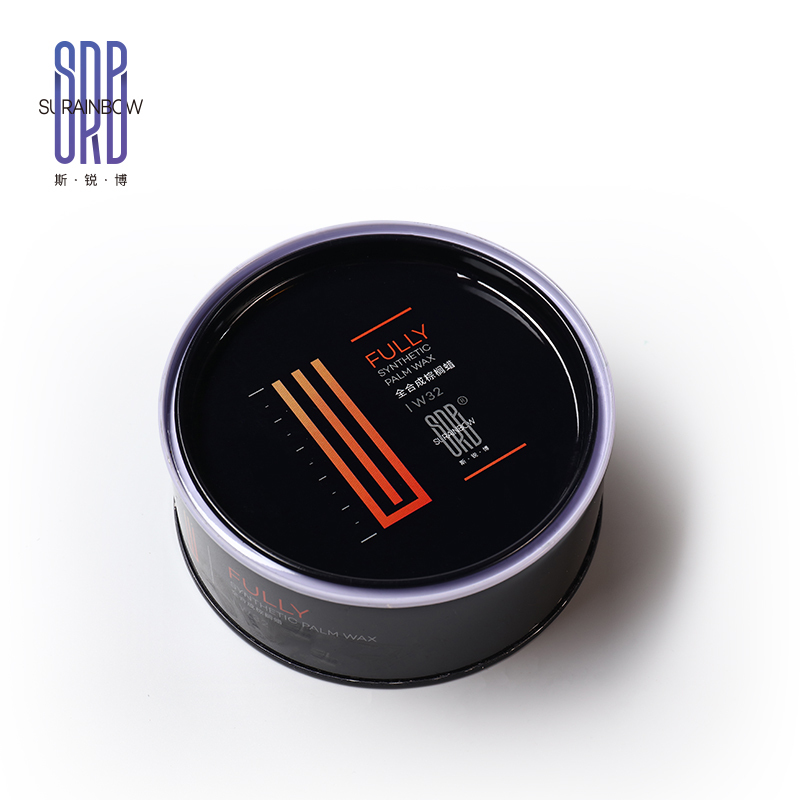
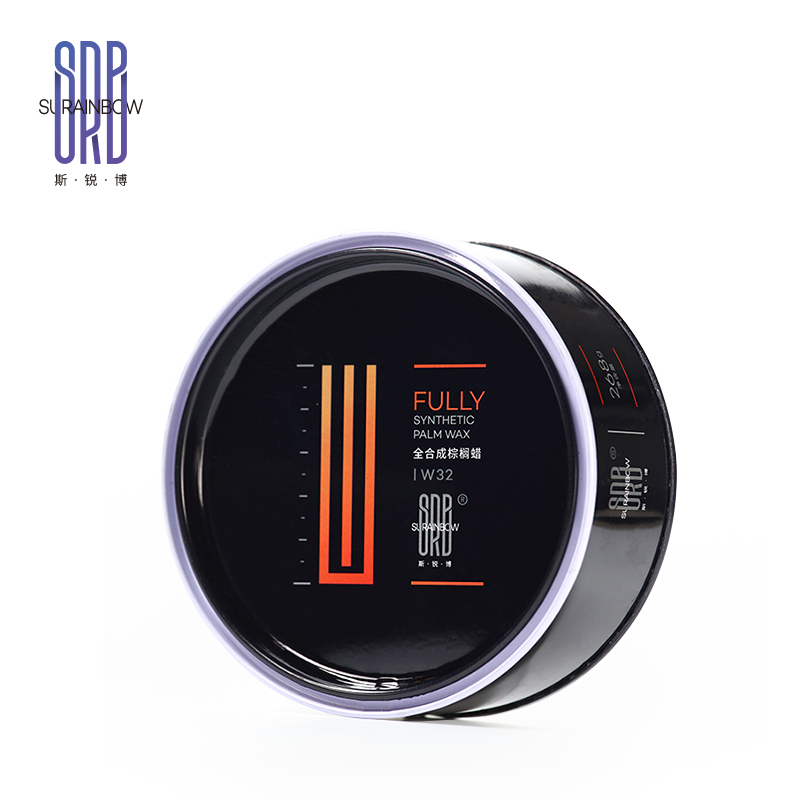
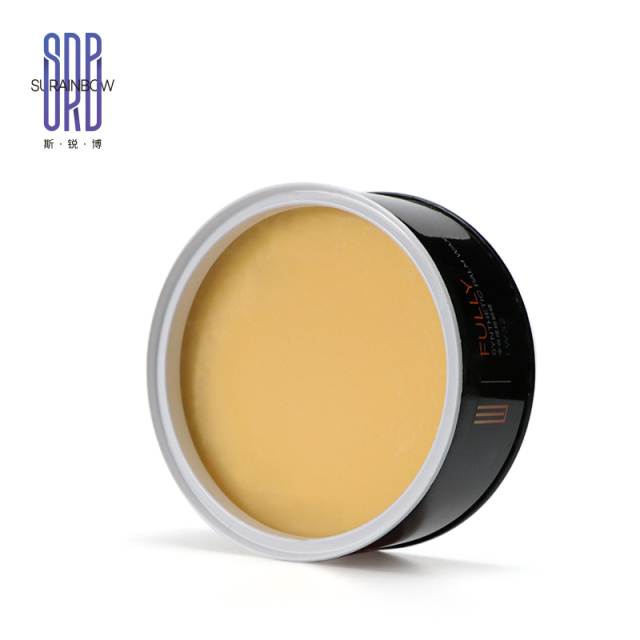
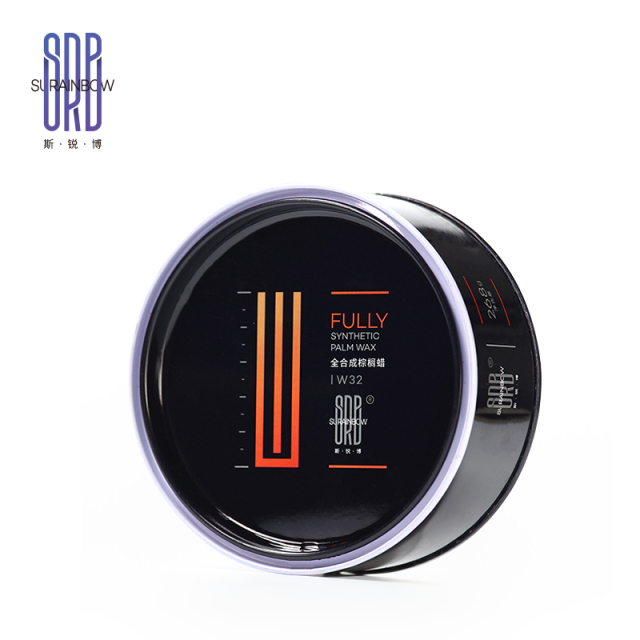
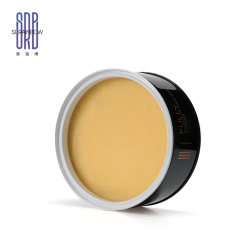
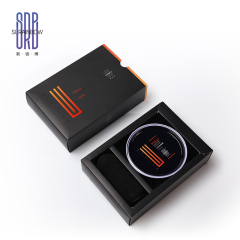
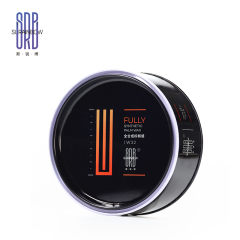
Car detailing carnauba wax is a paste wax for painted panels, packed in a round 268 g tin. It is the last step of a detail: the paint is washed first, corrected if it needs correcting, and then sealed. As a car wax manufacturer, SURAINBOW supplies this tin to detailing shops and wash bays that wax customer cars every week, to distributors and e-commerce sellers who want a shelf-ready carton, and to private-label brands building their own wax line. Its place in the shop process is straightforward: shampoo takes the dirt off, polish takes the defects out, and this wax protects what is left. Cars that rely on a coating for their base protection usually get a spray maintenance product between washes; cars that rely on wax get a pass with this tin.
Carnauba Wax & UV Protection
- Pure carnauba, used at full strength — the wax is extracted from the leaves of Copernicia cerifera and is not cut with softer filler waxes, so the film left on the paint is the hard wax that does the protecting.
- A dense film rather than a soft coat — carnauba's molecular structure packs tightly over the clear coat, which is why the layer keeps working through repeated washing instead of thinning out within a few weeks.
- UV screening at the surface — it blocks ultraviolet light before it reaches the paint, the part of sunlight that fades solid colours and dulls metallics over a summer.
- Colour that keeps its depth — dark blue, red and black are where fade shows first; a carnauba layer keeps those panels looking the way they did when the car was new.
- Built for harsh conditions — sun, rain, bird droppings and wash chemicals meet the wax rather than the clear coat, so it earns its place in car detailing chemicals wholesale ranges.
- A long lasting car wax, measured in months — one application carries the paint through months of normal washing, and the monthly pass renews a layer that is still there rather than rebuilding it from nothing.
- Why carnauba sits at the top of a wax range — it is the most precious of the naturally extracted waxes, and the reason a car wax manufacturer specifies a pure carnauba tin where a blended wax will not do.
Surfaces & Trim Handling
- Painted panels are the whole job. This is a protective car wax for clear coat and single-stage paint, a standard line in car wax wholesale ranges; with no abrasive in the paste, it will not cut swirls, oxidation or scratches and should never be sold as a stand-in for a polish.
- Keep it off matte and satin finishes. Satin wraps, matte paint protection film and satin black trim are made to stay flat, and a hard carnauba film buffs up glossy, so the surface reads patchy wherever the wax has been.
- Go carefully along textured plastic. Bumper cladding, arch liners and grained trim catch white residue in the grain, and it is far easier to keep the pad off them than to dig the wax out afterwards.
- Seals, glass and shut lines collect wax. Wipe the windscreen rubber, door seals and panel gaps with a damp cloth after buffing, and run a soft brush down the gaps before the residue hardens.
- Work around badges and edged decals. Wax packs against the edge of lettering and vinyl, so use a small pad around them and lift what lands there with a damp cloth while it is still soft.
- Hot panels are where streaks come from. The 5–10 minute set is measured on cool paint; on a sun-warmed bonnet the film skins over almost at once and drags under the towel.
- Trim residue that has already set comes off with warm water and a soft brush, never an abrasive pad, which will dull grained plastic permanently.
Application Steps
- Wash the body first, then dry it. In a car polish and wax job, the wax traps whatever sits underneath, so road film, tar and old polish dust have to come off before the first pass.
- Work in shade and let the panels cool. Direct sun and a hot bonnet make a wax for cars set too fast and grab under the cloth.
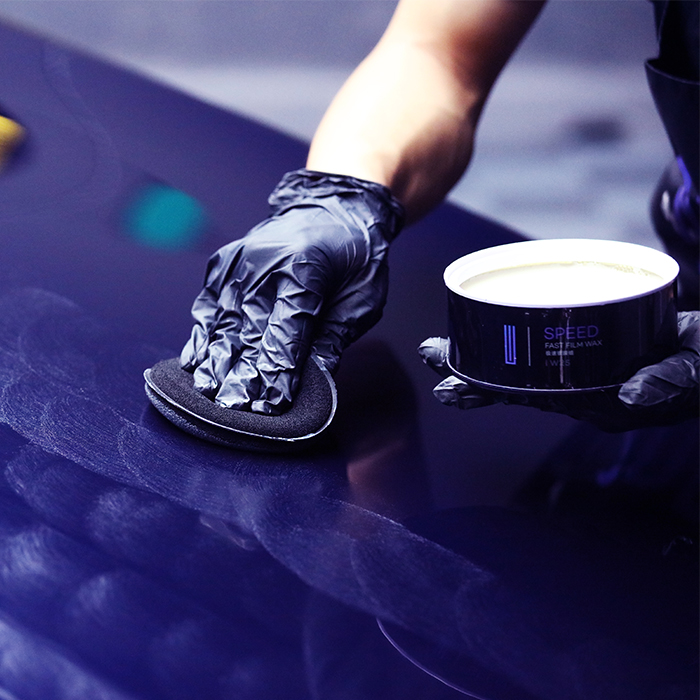
- Load a sponge or applicator pad and spread a thin, even film, panel by panel. A thin coat sets faster, uses less product and buffs off cleanly; a thick one does none of those.
- Leave it to solidify for 5–10 minutes, until the film turns from wet and slightly streaky to an even haze.
- Buff with a clean towel or non-woven cotton, turning to a fresh face as the cloth loads up, then finish the edges, door shuts and the areas around trim.
- Look along the panels in raking light for missed patches before the car leaves the bay.
- Close the lid properly and book the car in again in about a month, so the long lasting car wax layer is renewed while it is still protecting.
Workshop & Trade Applications
- Maintenance waxing in a wash bay — a car that comes in every week or two does not need a full detail on every visit; a car wax pass on clean, cool paint keeps the protection topped up between bigger jobs.
- The last step of a car polish and wax sequence — once the paint has been corrected, the wax seals the finish and gives the owner a layer they can look after at home.
- Dealer and forecourt prep — used-car lots and dealerships run a pass before photographs and handover so the panels read even under showroom lighting.
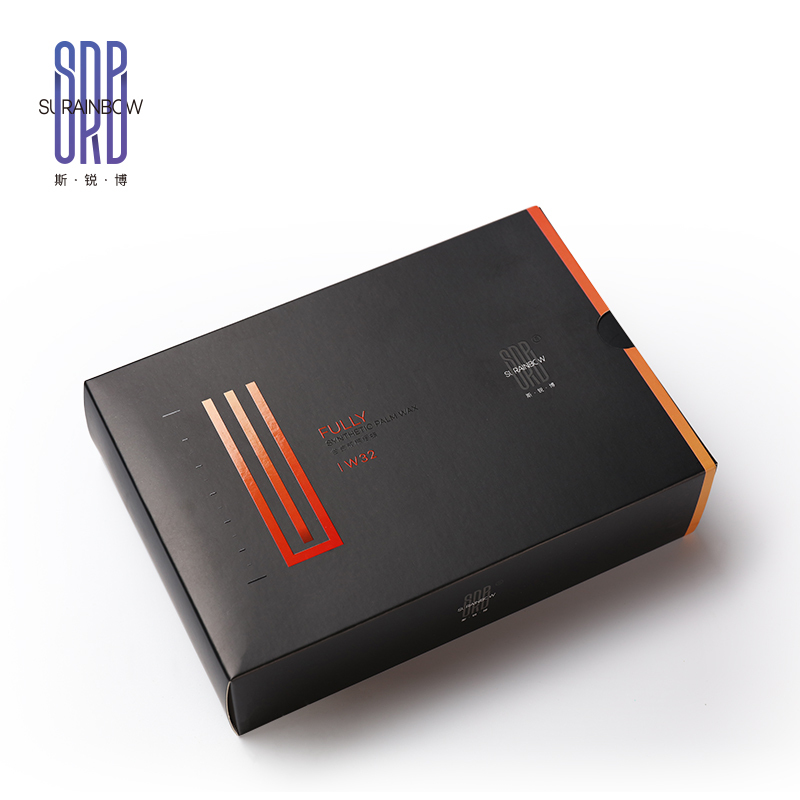
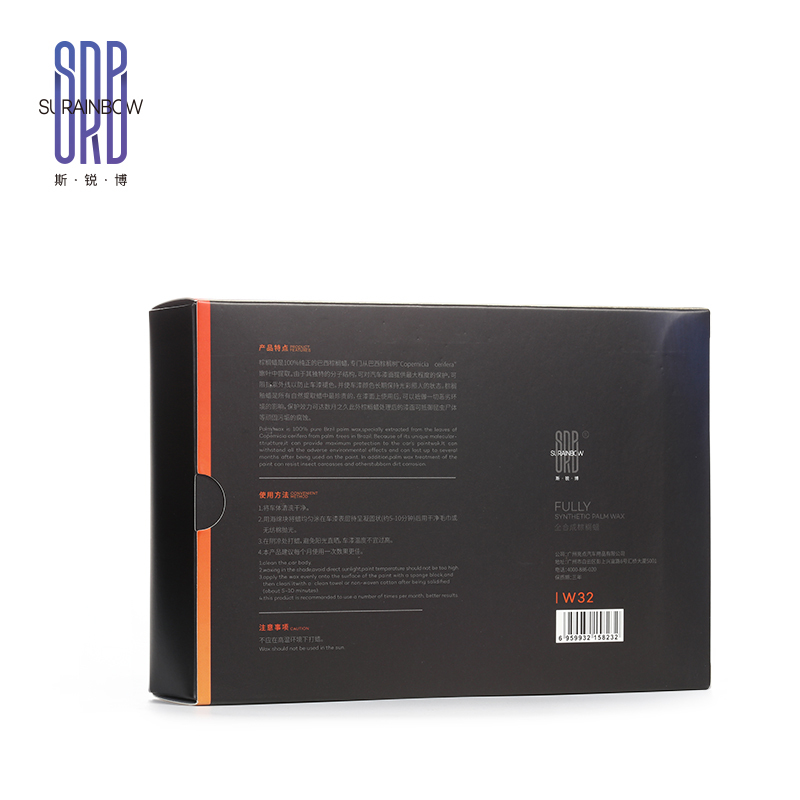
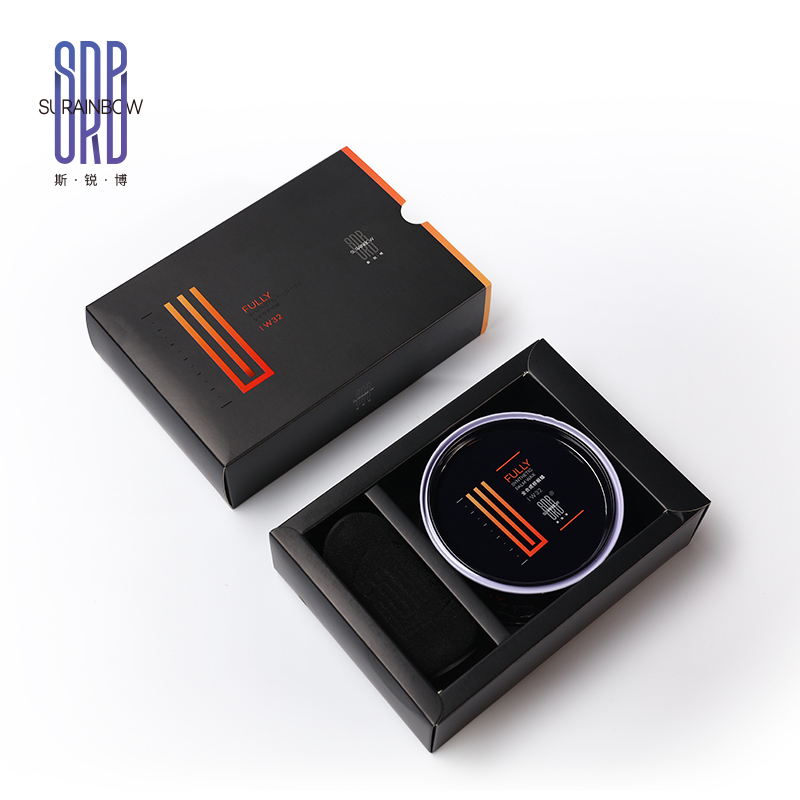
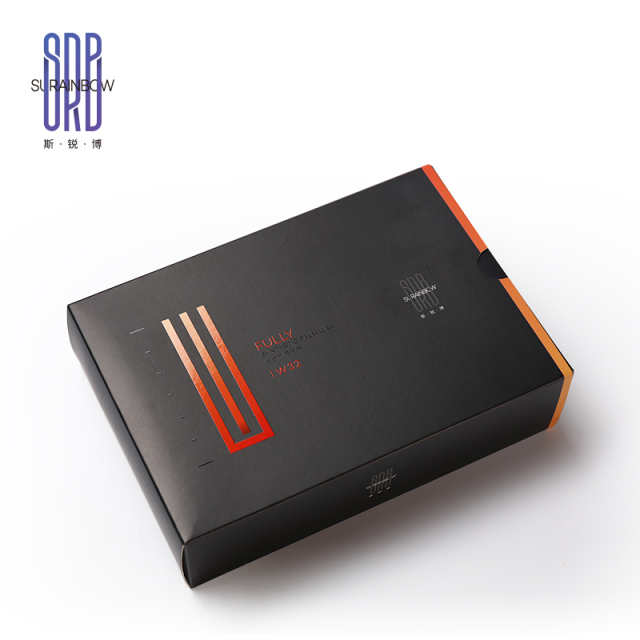
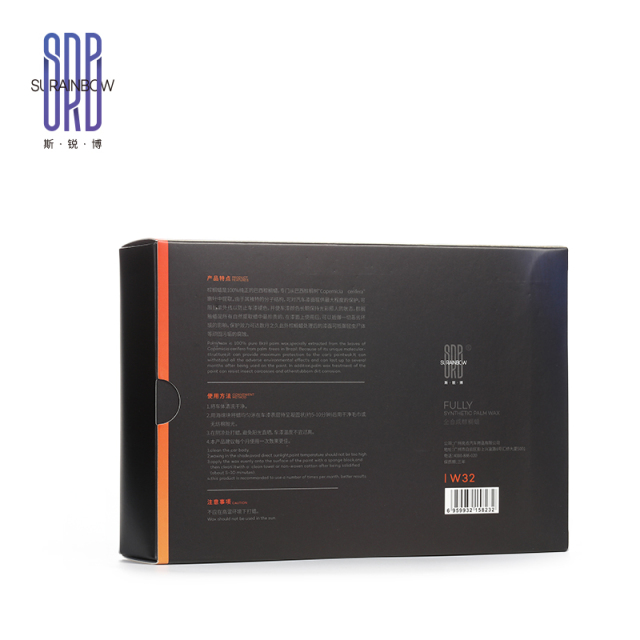
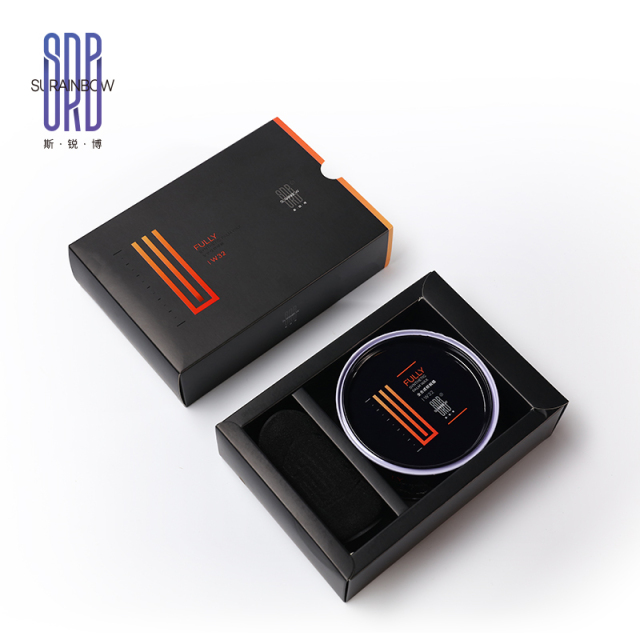
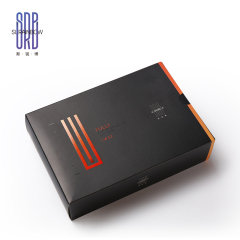
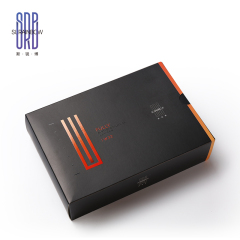
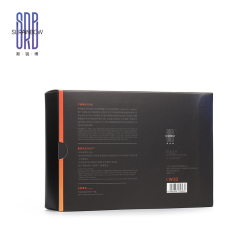
- Distributor and reseller stock — the tin ships in a printed carton with product information and a barcode, so a car care wax line can go straight onto a shelf or an e-commerce listing.
- Private-label and mixed orders — brands launching their own wax send label language, claims and carton artwork for review, and mixed car detailing chemicals wholesale orders can combine wax with shampoo, polish and coating in one shipment.
- Fleet and rental turnaround — vehicles that have to go back into service quickly get a wax pass between services rather than a full detail.
Specifications
| Model | W32 |
|---|
| Wax type | 100% pure carnauba wax, extracted from Copernicia cerifera leaves |
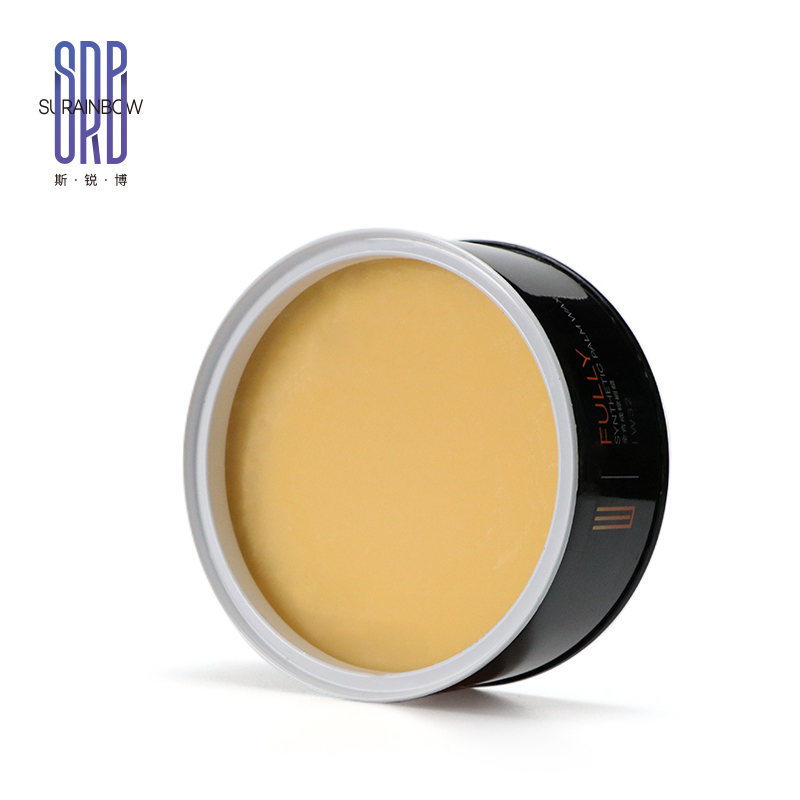
| Form | Paste car care wax in a round tin |
| Net weight | 268 g per box |
| Set time before buffing | 5–10 minutes |
| Finish | High shine |
| Water behaviour | Hydrophobic |
| Application | Sponge or applicator pad, buffed with a clean towel or non-woven cotton |
| Suitable surface | Automotive paint |
Coverage & Monthly Rhythm
One 268 g box covers around 10–16 cars. The range is wide because wax is applied by the panel rather than by the car: a compact hatch takes far less than a full-size van, a single pass over sound paint takes less than a second coat on neglected paint, and an applicator loaded with too much wax wastes product on every panel. The monthly recommendation is about rhythm rather than repair. The layer applied this month is still on the car next month; the next pass renews it before it wears through on the bonnet, roof and other sun-facing panels. When a distributor plans a car wax wholesale order, the box count is the number that matters — it sets how long a stock position lasts and what a wax costs a shop per car. Consumption is predictable, which is why a bay can price waxing as a per-car service: a wax for cars of any size uses the same small amount of product when the applicator is not overloaded.
Sample & Packaging Approval
- Begin with a stock sample of the standard 268 g tin, so the shop can run it on a test panel and judge set time, buffing and gloss before any artwork is committed.
- Agree what the test is checking — haze, dust, residue at edges and trim, water behaviour after a wash — and on which panel and at what temperature, so the result means something when it comes back.
- Approve a sealed counter-sample. Both sides keep a dated, signed sample from the batch you approved, and that sample, not a photograph, is the reference if a later delivery is questioned.
- Design the pack in one pass: tin lid and side artwork, carton dieline, barcode, and the mandatory panel carrying net weight, a batch field, country of origin and any hazard labelling your market requires.
- Sign off a digital proof with the dieline first, then a printed proof for colour. Nothing goes to plate until the proof is signed and version-numbered.
- Expect the cycle to restart if copy, colour or pack format changes after approval — a changed label is a new proof, and it is faster to accept that than to argue over a print run.
Ordering & Delivery
| Availability | In stock and fast shipping |
| Supply | Car wax wholesale orders, private-label runs and mixed-item shipments |
| Minimum order quantity | Confirmed in the quotation for the product and pack you choose |
| Sampling | Scope, timing and courier arrangements confirmed before dispatch |
| Packing | Standard carton; export carton and shipping marks confirmed per shipment |
| Export documents | SDS, CoA and GHS label information confirmed per order |
| Payment | Methods, currency and schedule confirmed with your sales contact |
| Lead time | Confirmed against quantity and pack |
| After-sales | Packing or shortage issues reported within 7 days of receipt, quality concerns within 30 days |
Scale & Supply Capability
SURAINBOW is run by Guangzhou Liangdian Automotive Supplies Co., Ltd., a factory-trade operation set up in Guangzhou in 2010 and now 50 people strong. Sixteen years in car care have given us a one-stop supply position: our own SURAINBOW lines are held in stock for fast shipping, and an associate factory with modern production equipment and an established quality management system keeps replenishment moving. We take OEM and ODM work and our R&D team develops to your specification. Buyers in the Middle East, the United States, Southeast Asia, Europe, the UK, Russia, Africa and Australia already order from us.
- Send the brief. Product, pack size, label language, destination market and expected quantity go into one message; mixed projects are common, and a car detailing chemicals wholesale enquiry that combines wax with shampoo or coating is quoted item by item.
- Approve a sample on your own panels. Test the wax on the colours and paint conditions you actually work with and record how it was applied; when both sides agree the specification, an approved sample can be sealed as the bulk reference.
- Proof the label and carton. Label copy, the claims printed on the tin, barcode data and carton marks are reviewed before production, so the version on the shelf is the version you signed off.
- Keep the batch traceable. Batch records and retained samples sit alongside the approved reference, so a question about a specific delivery can be checked against what was made.
- Inspect the packed unit. Closure, label position, carton print and barcode are checked on the finished unit before it is packed out.
- Handle any issue against the reference. If something arrives wrong, send the batch number, the affected quantity, photographs or video and a note on how the product was stored and used; the batch is then reviewed against its retained sample.
FAQ
Do I need to polish the paint before waxing?
They solve different problems — car polish and wax are two stages, not two versions of the same thing. A polish cuts back swirls, oxidation and dull patches; a wax protects the paint that is left underneath. On paint in good condition, a wash and a car care wax pass is the whole job. On paint that feels rough or looks hazy, correct it first, because wax sits on top of a defect rather than removing it.
How do I know when the wax is ready to buff?
Watch the film rather than the clock. It goes on wet and slightly streaky, then turns to an even, light haze across the panel — that is the moment to take a clean towel to it. If it smears instead of lifting off, give it another minute. The 5–10 minute window shifts with temperature and with how thick the coat went on.
Can I apply this wax in direct sun?
No — work in shade and let the panels cool before you start. A hot bonnet makes the wax set almost immediately, so it grabs under the cloth and leaves streaks that take longer to sort out than the wax does to apply. If the car has just come out of the sun, park it in the bay and give the paint a few minutes.
What should I do if wax gets onto plastic trim or rubber seals?
Keep the car wax application on the painted panels. Small amounts that land on trim, badges or door seals are easiest to lift while they are still soft — wipe them with a damp cloth before the wax sets, then buff the area again. Keeping one towel aside for trim leaves the buffing cloth clean.
How often does the layer need renewing?
Once a month is the recommended rhythm and it is enough for most cars in normal use. Cars that live outside, sit in strong sun or are washed often with harsh detergent wear through a layer faster; a wax for cars kept under cover holds it longer. The protection does not vanish between passes — the monthly coat tops up a layer that is still working.