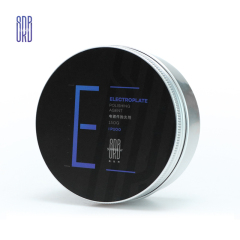
Product Overview
For localized restoration of automotive metal trim, Car Metal Oxide Remover & Electroplate Repair P-100 targets surface oxidation, watermarks and stubborn dirt while helping refine microscopic scratches and restore visible gloss. The opaque white, creamlike compound is intended for suitable electroplated parts, chrome-plated parts, metal components and aluminium alloys, with compatibility advice required for refinished, lacquered, anodized or otherwise coated surfaces. Apply with a cleaning sponge and a small amount of water, then remove loosened dirt and polishing residue before applying the electroplate protective coating. Treatment is limited to cosmetic surface restoration: it cannot replace missing plating, repair deep corrosion or restore weakened metal, and surrounding paintwork requires protection during use.
For the paintwork around the trim, follow with our nano-abrasive polish kit, then protect the finish with P-805 nano ceramic coating.
Restorer Features
- Surface oxidation removal: This car polish targets the dull oxidation layer that obscures the appearance of suitable metal finishes, helping reveal a cleaner, brighter surface.
- Watermark treatment: Mineral-looking marks can interrupt the reflection of bright trim. The restorer addresses surface watermarks as part of the polishing stage.
- Heavy dirt removal: For localized metal treatment, the compound works as a car detailing cleaner as well as a polishing agent, addressing stubborn surface dirt rather than simply covering it.
- Microscopic scratch refinement: Very fine surface marks can reduce clarity even after cleaning. The restorer helps refine these microscopic scratches for a more even-looking finish.
- Gloss restoration: The polishing action improves the visible lustre of the treated metal, making it useful where tired-looking brightwork detracts from an otherwise clean vehicle.
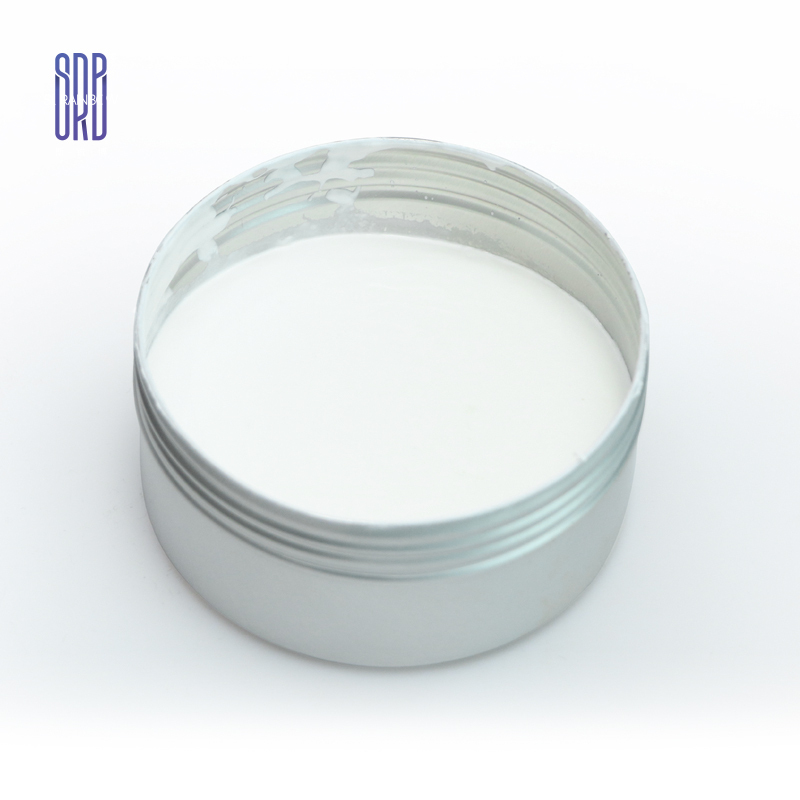
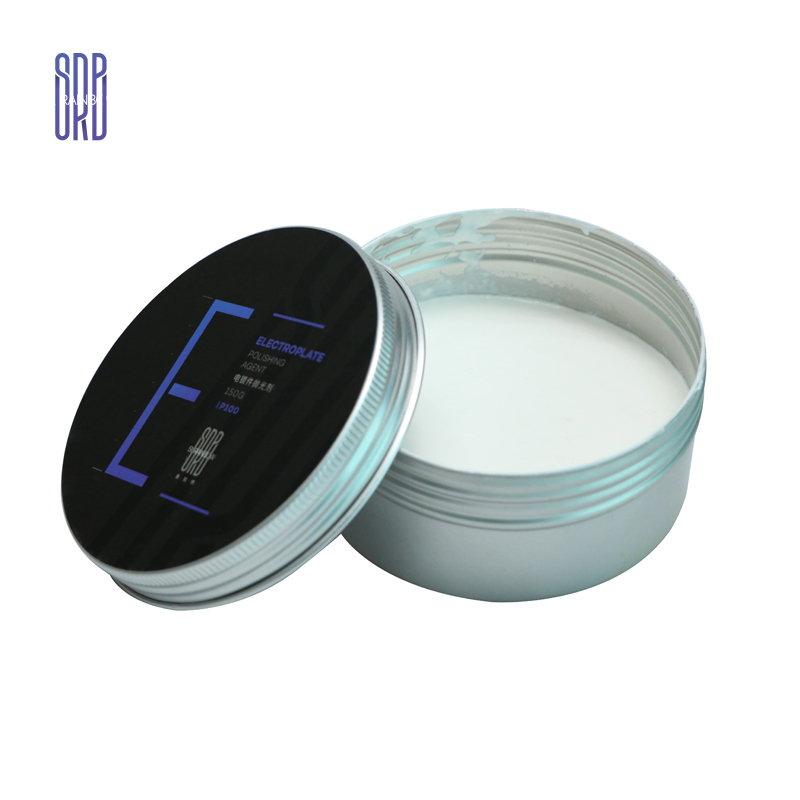
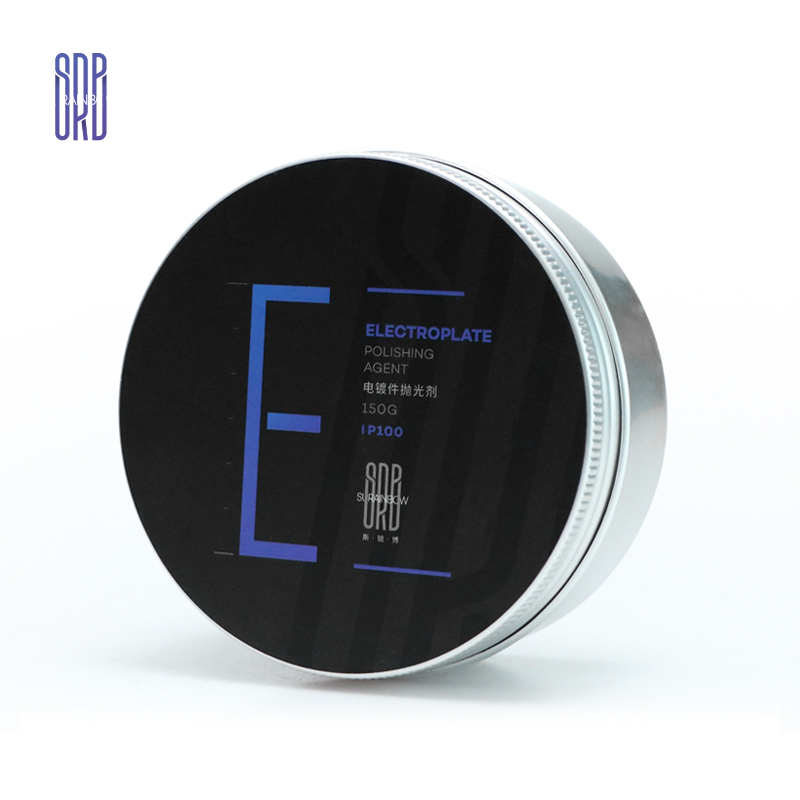
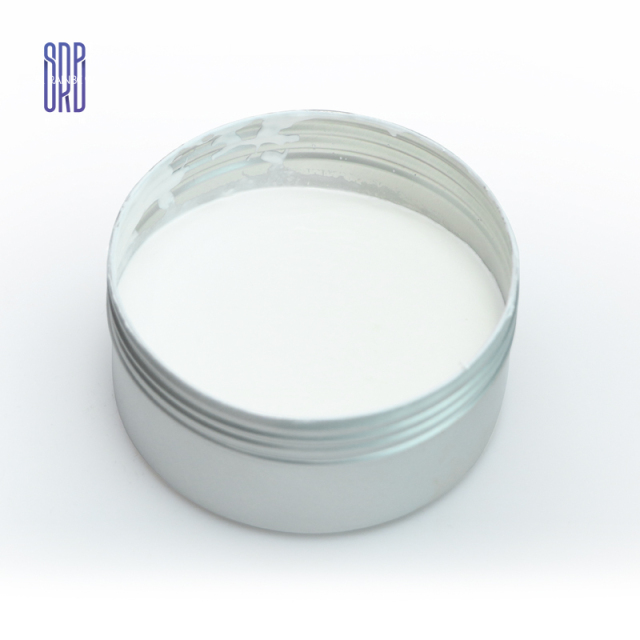
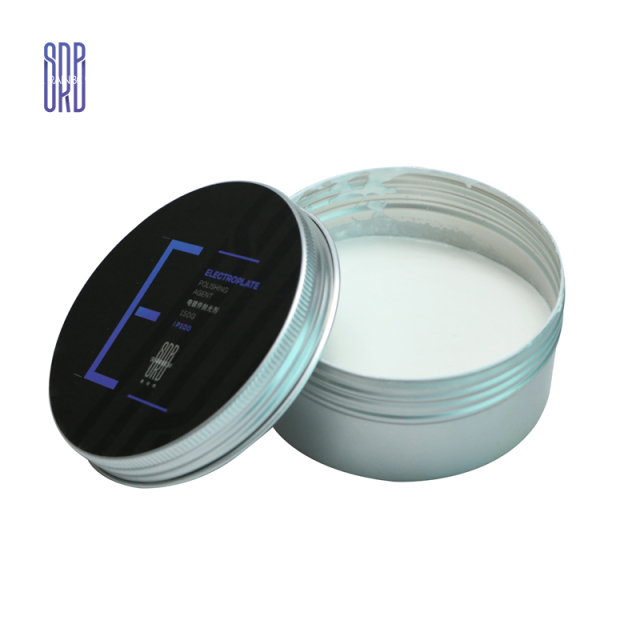
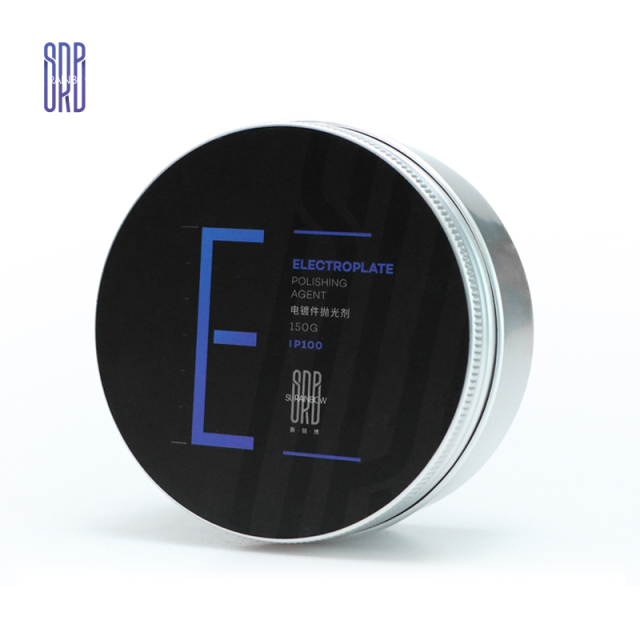
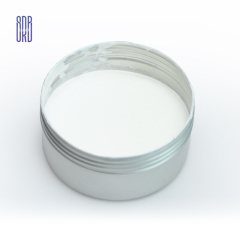
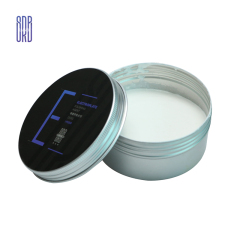
- Creamlike compound: The opaque white polish for car trim has a smooth, creamlike appearance in its tin, suitable for the sponge-based application described below.
Surfaces & Repair Limits
Electroplated parts, chrome-plated parts, metal components and aluminium alloys are the named applications for this restorer in automotive and other industries. The exact finish still matters: a metal-looking component may have an additional decorative or protective layer over its base material.
Chrome trim and aluminium components should not automatically be treated alike. Previously refinished, lacquered, anodized or otherwise coated parts need finish-specific compatibility advice before treatment; appearance alone does not establish suitability.
Paintwork requires different car care products. Keep this restorer on the intended metal surface rather than treating it as an all-over car polish, and do not extend its use to adjacent plastic or rubber without specific compatibility guidance.
Rust treatment here concerns surface restoration, not rebuilding metal. Deep corrosion, perforation, missing metal and weakened components require appropriate repair or replacement; polishing cannot restore their structural condition.
Lifting plating, exposed base metal, deep pits and scratches that extend through the finish also fall outside a cosmetic surface treatment. car polishes cannot replace a missing plated layer, and further rubbing is not a substitute for replating or refinishing.
Restoration Procedure
- Protect the paint surrounding the plated component with professional automotive masking paper. Cover the adjoining painted edges before bringing the restorer into contact with the part.
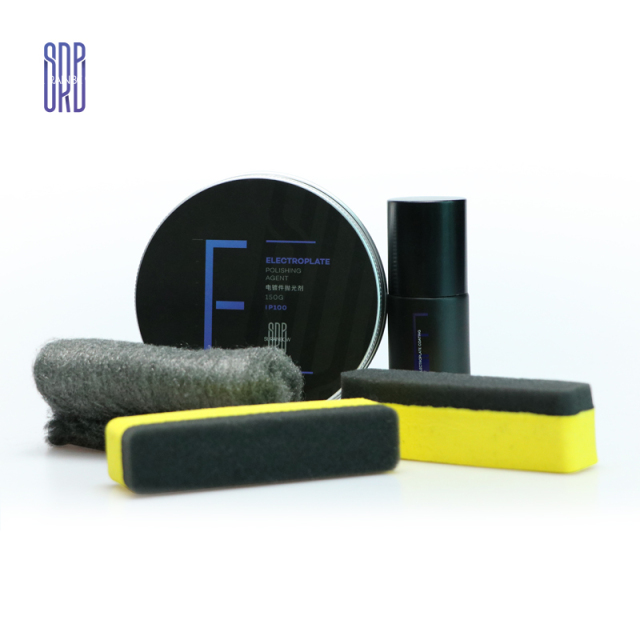
- Prepare the car care supplies for each stage: a cleaning sponge for restoration, a suitable cleaning agent for the intermediate clean, and a separate coating sponge and wiping towel for the protective finish.
- Work the car polish over the intended area with the cleaning sponge. Spray a small amount of water during application and wipe repeatedly, keeping the work controlled around edges and joints.
- Clean the treated part with a suitable car detailing cleaner to remove loosened dirt and polishing residue. Wipe the surface clean rather than carrying residue into the coating stage.
- Apply the electroplate protective coating with the coating sponge. Follow with towel wiping, working carefully around recesses where excess material can collect.
- Inspect the finished component under clear lighting for missed areas and uneven residue. Follow the coating's own instructions for curing and subsequent handling; do not borrow a schedule from an unrelated paint coating.
Electroplate Protective Coating
- Mandatory protection: After using the plated-parts restorer, apply the electroplate coating. Leaving the restored surface without this protective maintenance can cause discoloration; the polishing stage alone is not the completed treatment.
- Solid surface barrier: The coating forms a protective layer over the treated plated part. Its function is different from the cleaning and refinement provided by car polishes.
- UV and ageing resistance: The protective finish helps resist ultraviolet exposure and ageing, supporting the appearance of treated brightwork in normal service.
- Oil resistance: The coating adds resistance to oily contamination, helping the treated surface remain easier to maintain between detailing sessions.
- Acid and alkali resistance: Chemical resistance is a coating property, not permission for unrestricted exposure to aggressive cleaners. Keep subsequent cleaning compatible with the treated finish.
- Water repellency and easier cleaning: The hydrophobic surface encourages water to bead and helps simplify routine cleaning. These benefits belong to the protective coating rather than to the restorer used on its own.
Finish Testing & Approval
- Identify the actual substrate and finish before testing a polish for car trim. Record whether the component is plated, bare metal or covered by another finish so the trial relates to the part that will actually be treated.
- Obtain the product-specific safety data sheet and ingredient declaration for review. Use the handling, ventilation and personal-protection instructions in those documents rather than assuming that a car detailing cleaner is non-hazardous.
- Begin testing car polishes on an inconspicuous area and stop if the finish reacts unexpectedly. Avoid using extra pressure or prolonged rubbing to overcome an adverse response.
- Compare the trial area with an untreated area under the same lighting. Assess overall appearance, clarity and any unwanted change in colour or texture rather than judging only from a wet surface.
- Record the applicator, method and observed result for workshop approval. A consistent trial record makes it easier for different operators to use these car care supplies in the same way.
- Keep the approved finish photographs and written application notes together. For repeat work, compare the actual result with that agreed standard instead of relying on memory or a different component.
Ordering & Delivery
SURAINBOW's company-level supply statement is: In stock and fast shipping. Availability of these car care supplies—the restorer, compatible coating and requested accessories—remains subject to the particular order.
Samples & Approval
For a trial order of polish for car trim, ask for current sample terms. Agree the product specification, intended finish and acceptance criteria before approving a sample as the basis for bulk supply.
Packaging Design & Approval
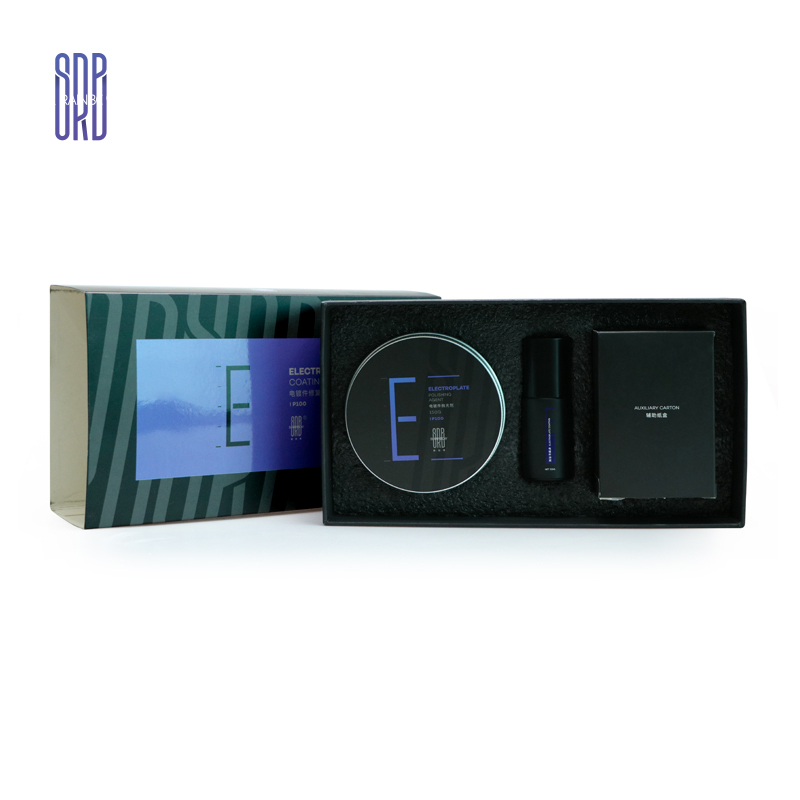
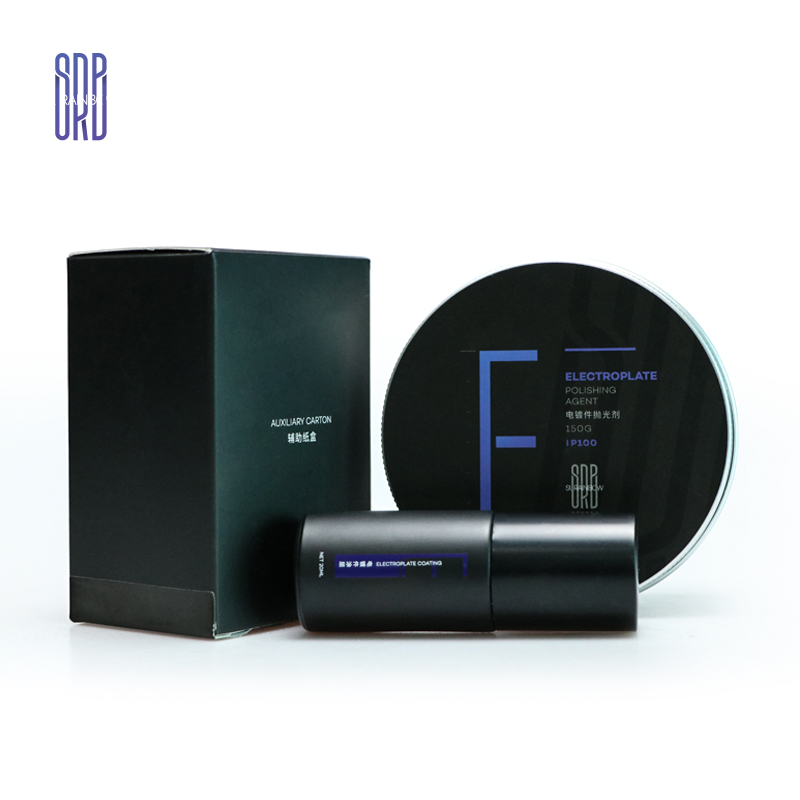
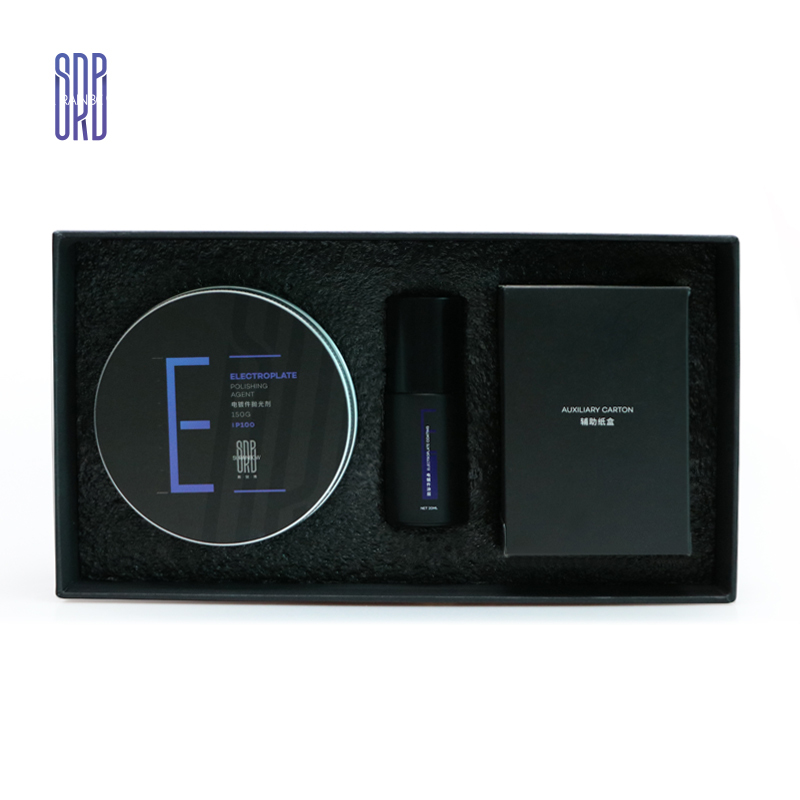
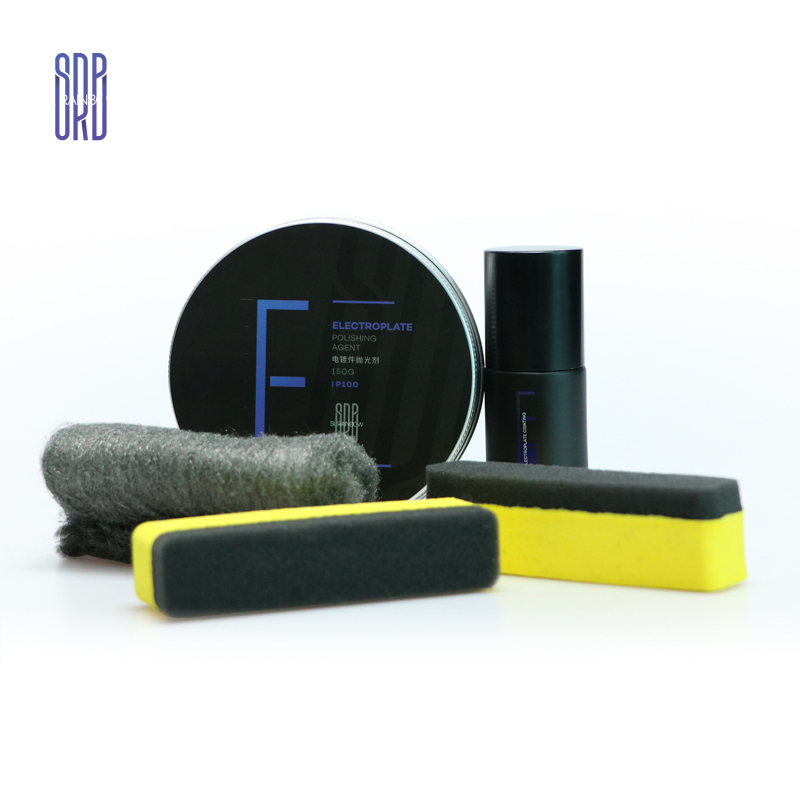
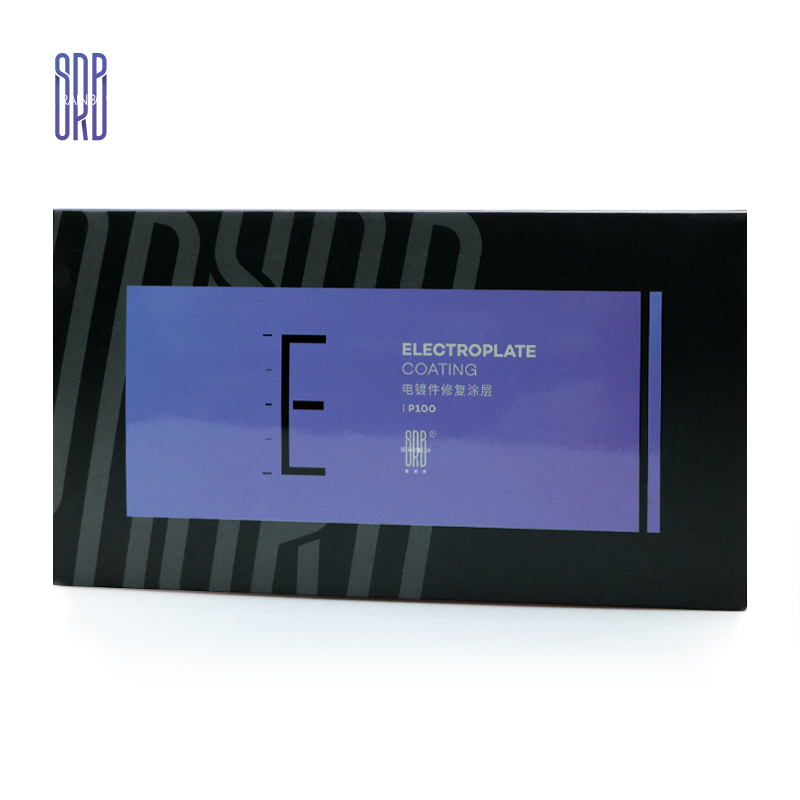
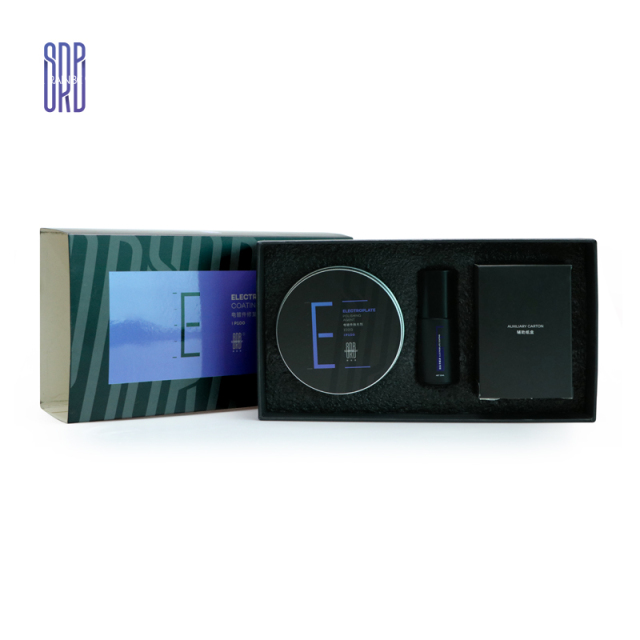
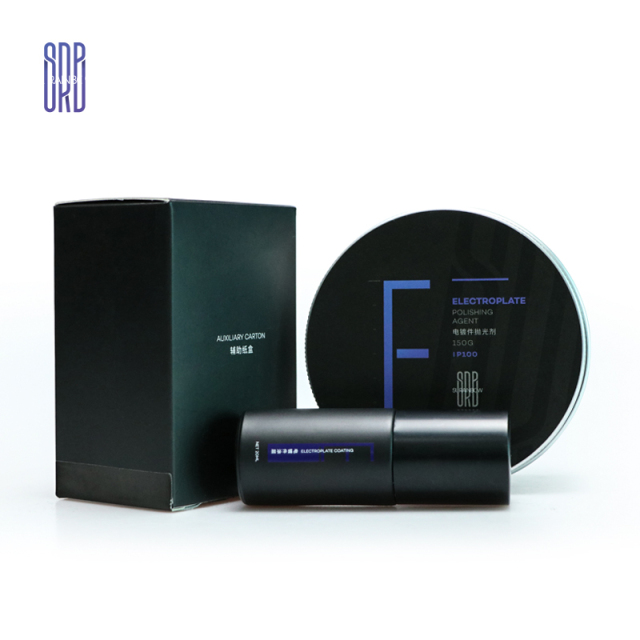
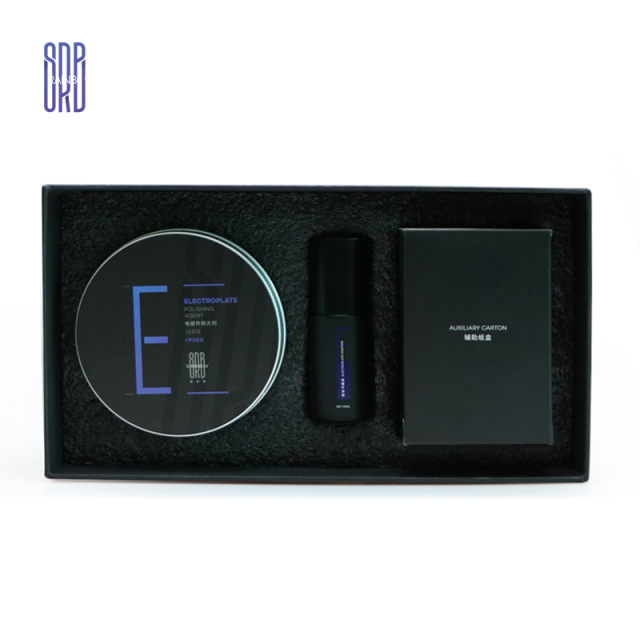
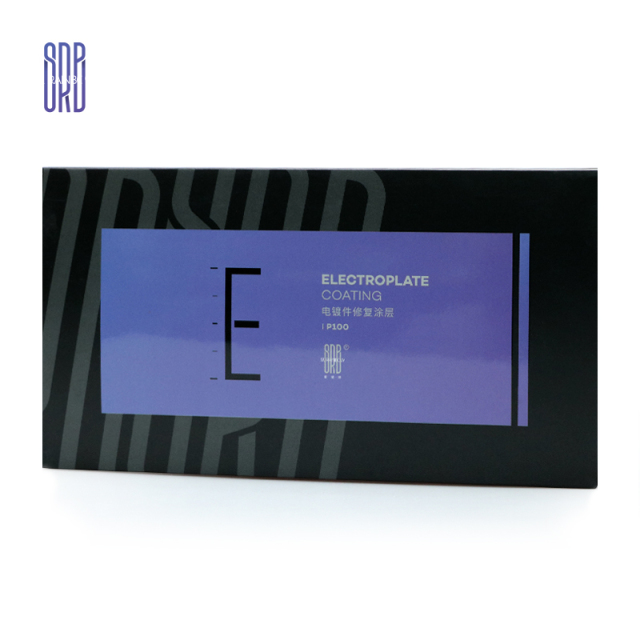
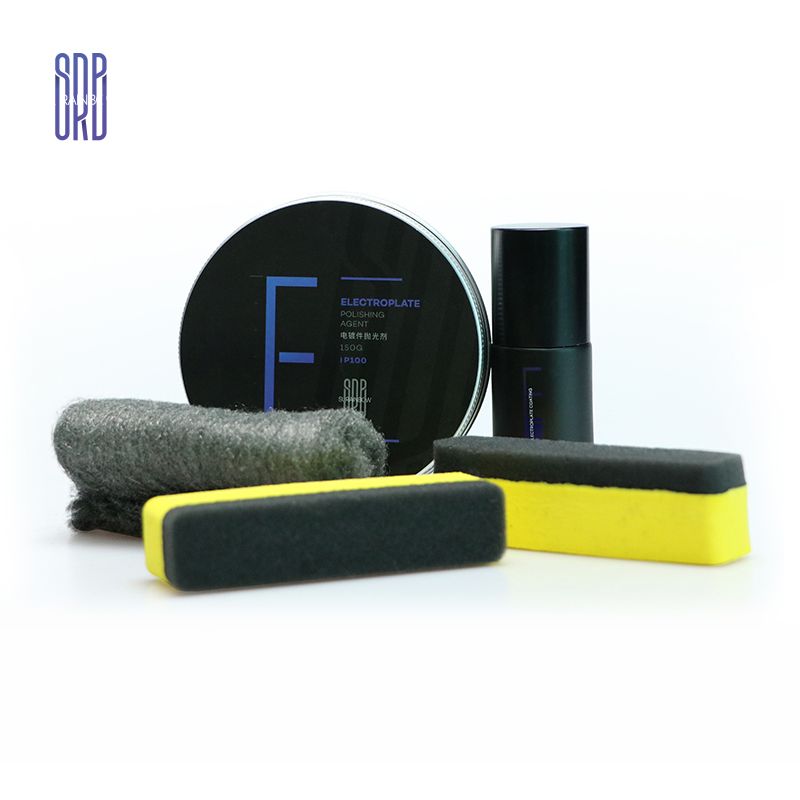
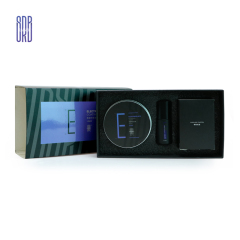
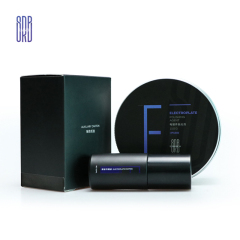
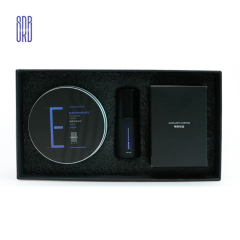
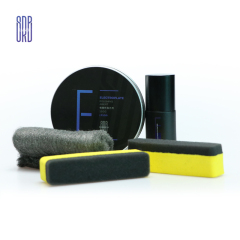
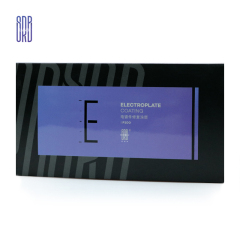
The illustrated presentation shows a polishing-agent tin, a coating bottle, grey fibrous polishing material, yellow-and-black applicators and an accessory carton in a fitted box. This illustration does not establish the contents supplied with every order. For car care kits, agree the item list explicitly, including whether the required coating and application tools are supplied together or separately.
Packaging design, container and closure compatibility, label language, artwork, carton quantities and shipping marks should be agreed for the requested order. Any customized packaging scope and proofing requirements need approval before production. The applicable minimum order quantity depends on the product and packaging arrangement and should be stated in the commercial offer.
Payment, Shipment & Documents
Before dispatch, agree the payment method, balance-payment status, inspection arrangement, transport method, consignee details and document handover. Request the destination-specific transport and compliance document list during order review, including applicable hazard-label information, commercial invoice, packing list and customs paperwork. Document availability and local market requirements depend on the product and destination; they do not amount to automatic regulatory approval.
After-Sales & Batch Records
Keep the order reference, batch identification and approved product and packaging records. The company reporting periods are within 7 days of receipt for packaging, leakage or shortage issues, and within 30 days for product-quality concerns. Include the affected quantity, clear photographs or video, and a description of handling and use. Specific batch records, retained samples and traceability documents should be agreed with the order rather than assumed to be included.
Scale & Supply Capability
We are Guangzhou Liangdian Automotive Supplies Co., Ltd., an integrated manufacturing and trading company founded in Guangzhou in 2010. With 50 employees, we supply a broad range of car care products to distributors, wholesalers and brand owners. Our range lets you source across categories through one supplier, with in-stock options and fast shipping. Alongside our SURAINBOW brand, we offer OEM/ODM customization, supported by a professional R&D team that can design and develop products around your requirements.
The car metal oxide remover is model P-100.
FAQ
Which metal finishes can P-100 treat, and which need compatibility advice?
P-100 is intended for suitable electroplated parts, chrome-plated parts, metal components and aluminium alloys. Previously refinished, lacquered, anodized or otherwise coated surfaces require finish-specific compatibility advice before treatment. A metallic appearance alone does not confirm suitability, because the component may have an additional decorative or protective layer. Chrome trim and aluminium components should not automatically be treated alike.
Can P-100 restore parts with pitting, lifting chrome or missing plating?
P-100 provides cosmetic surface restoration and cannot replace missing plating or repair deep corrosion. Lifting plating, exposed base metal, deep pits and scratches extending through the finish fall outside its treatment limits. Perforated, weakened or incomplete metal requires appropriate repair or replacement. Further rubbing cannot substitute for replating or refinishing, and polishing cannot restore a component’s structural condition.
What surface defects does P-100 address on suitable automotive trim?
P-100 targets surface oxidation, watermarks and stubborn dirt while helping refine microscopic scratches and restore visible gloss. Its polishing action addresses the dull surface layer and very fine marks that reduce the clarity of suitable metal finishes. The opaque white, creamlike compound is intended for localized restoration, with results limited to cosmetic surface improvement within the condition of the existing finish.
What preparation and cleaning are required when applying P-100?
P-100 is applied with a cleaning sponge and a small amount of water, followed by cleaning before the electroplate protective coating. Protect surrounding paintwork with professional automotive masking paper, covering adjoining painted edges. Work the intended metal area with repeated wiping, controlling application around edges and joints. Use a suitable cleaning agent to remove loosened dirt and polishing residue before coating.