Product Overview
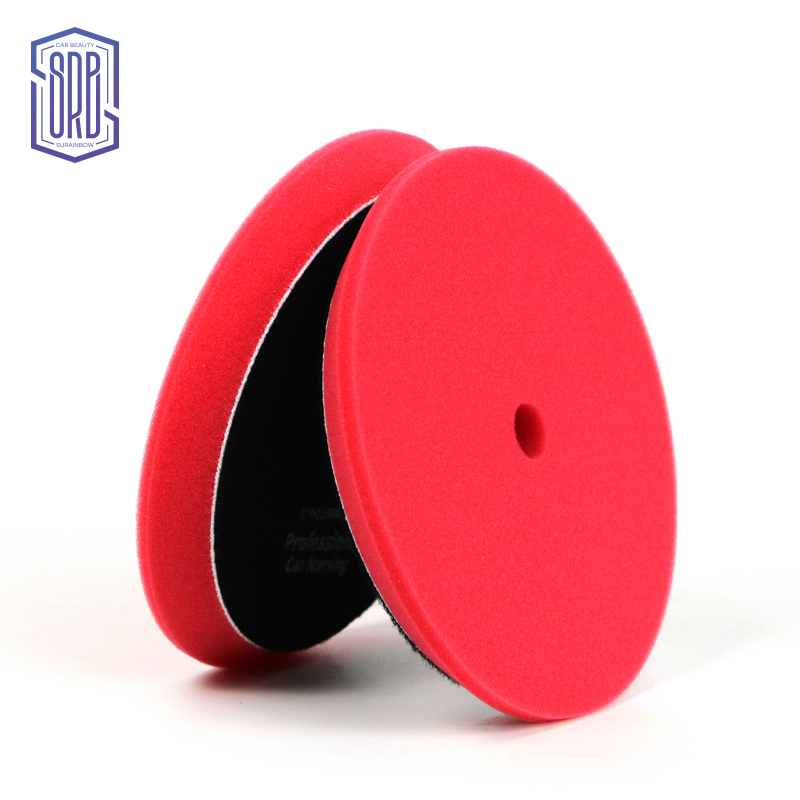
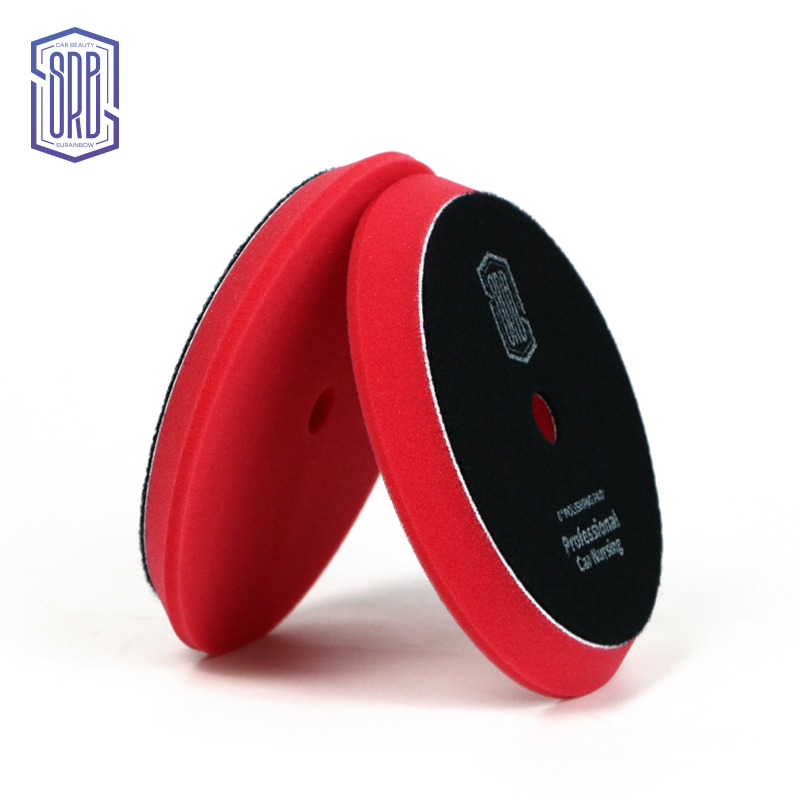
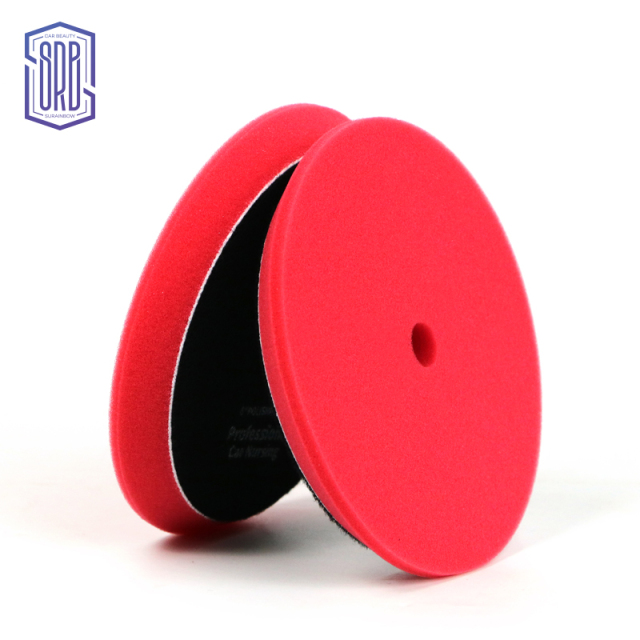
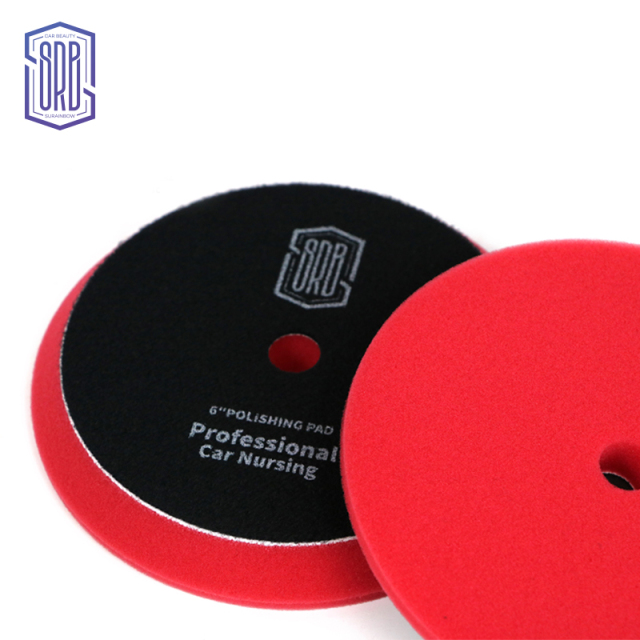
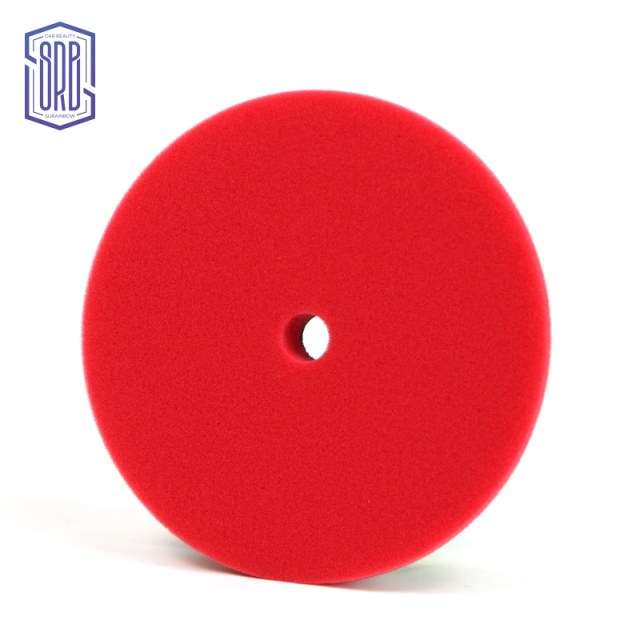
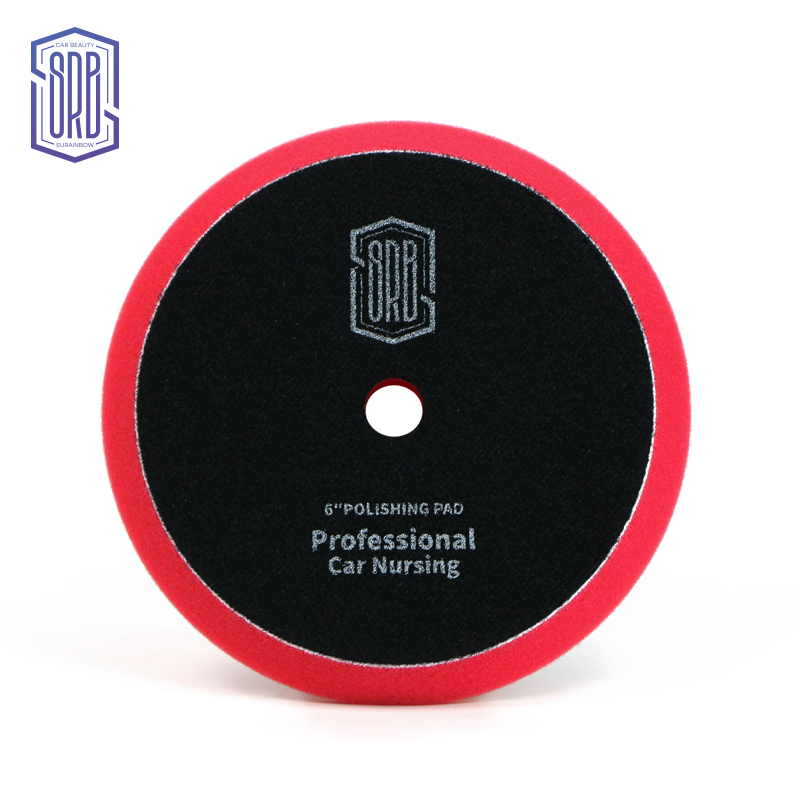
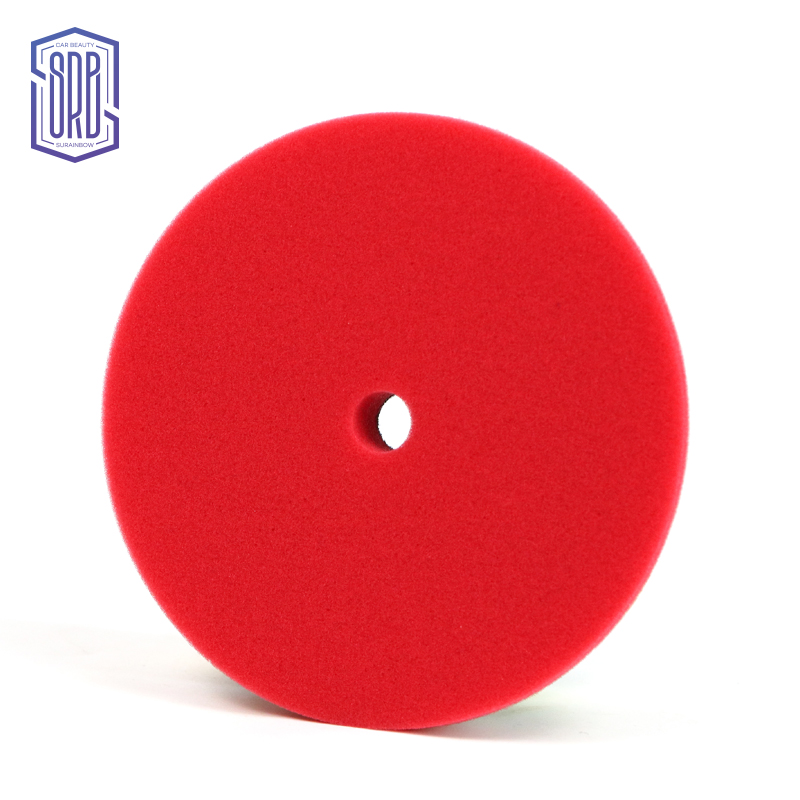
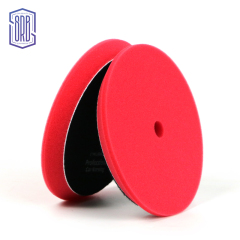
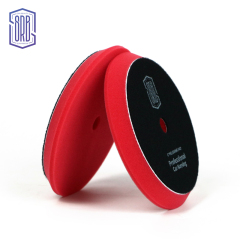
A finishing pass on a dual-action polisher is where gloss is either made or lost, and this soft wine-red foam pad is built for that last stage rather than for cutting defects out of paint. Its broad foam face sits on a smaller hook-and-loop backing, so it mounts on a compact backing plate while still covering plenty of panel with every pass. The foam is deliberately soft: it keeps light, even contact with the surface, spreads a finishing-grade car polish without digging in, and lets the abrasive work down to a uniform gloss instead of leaving the haze a firmer cutting pad can leave behind.
That makes it the second half of a two-pad routine. A compounding pad does the levelling; this pad, run with a fine car paint polish, restores clarity, removes the marring the cutting step left behind and brings the panel to a mirror finish. Detailers reach for it on bonnets, doors, quarter panels and other broad flat areas, and the soft face follows gentle curves without tipping onto its edge.
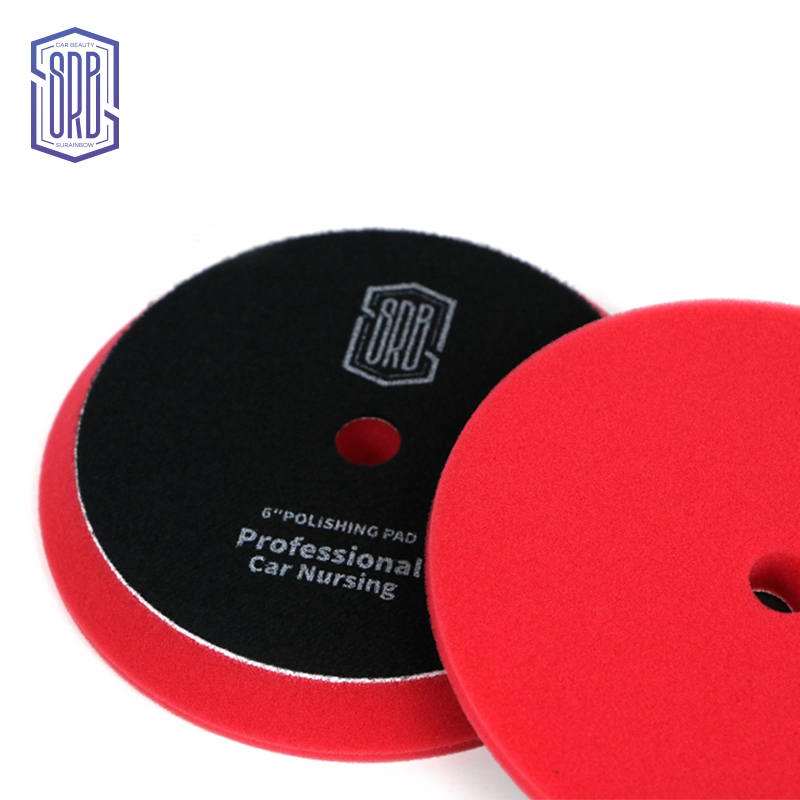
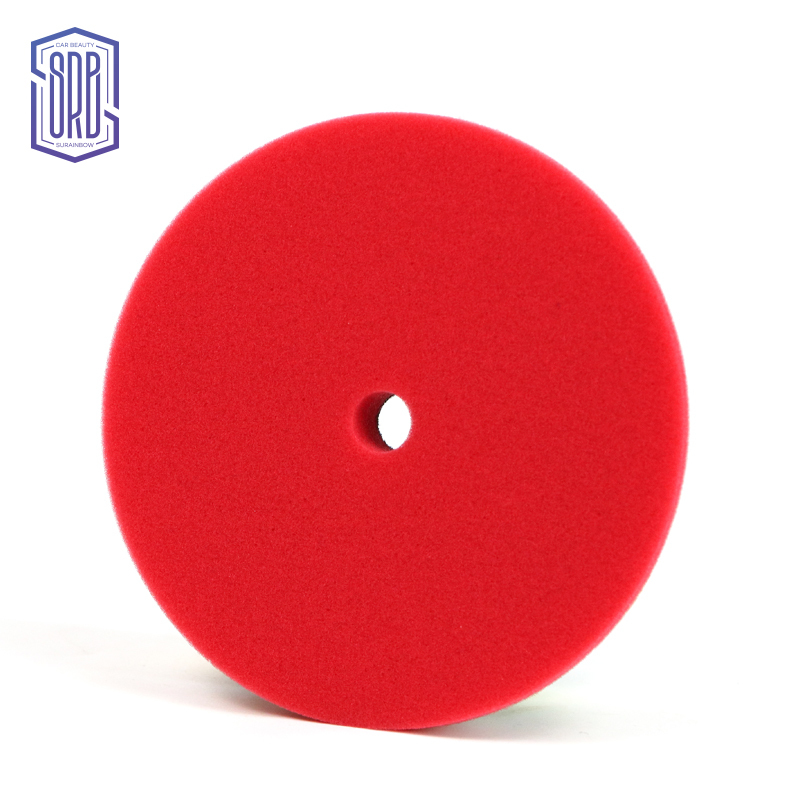
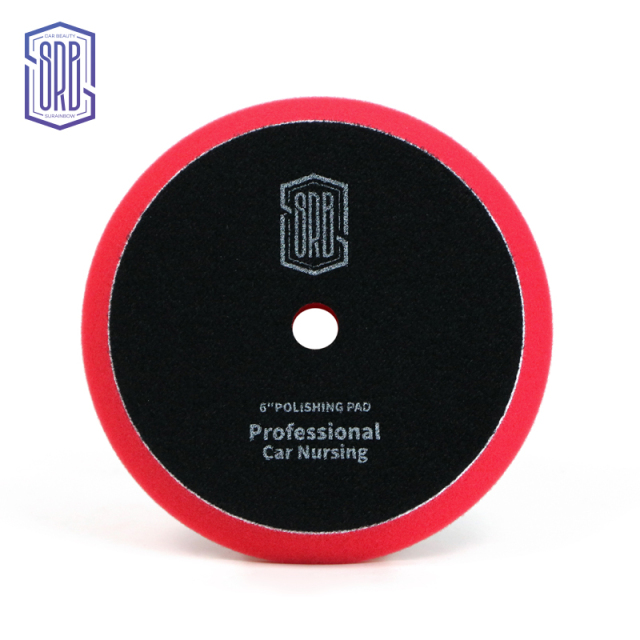
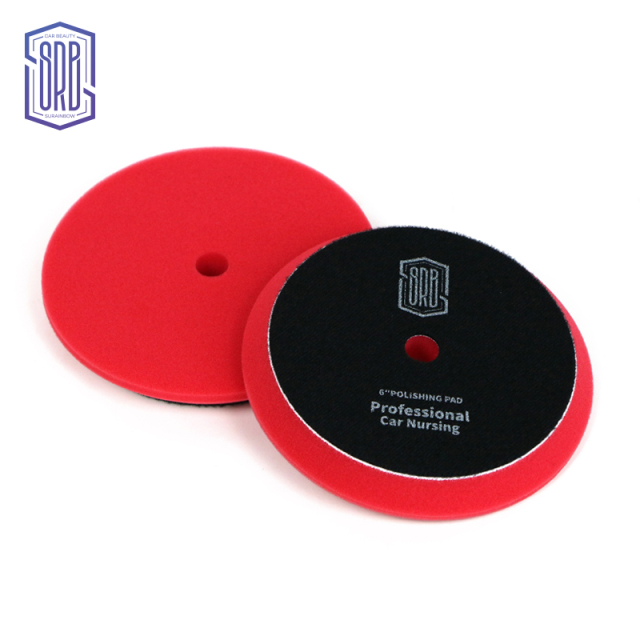
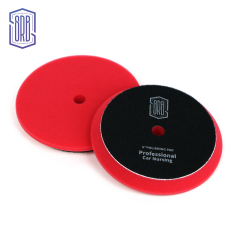
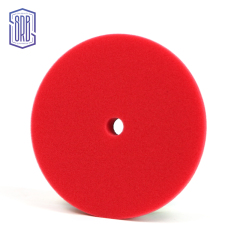
The wine-red colour earns its place too. Polish residue and spent abrasive show up clearly against it, so it is easy to see when the pad is loaded properly and when it needs cleaning. An open centre hole centres the pad on the plate and gives polish and heat a route away from the middle of the foam, which is usually the first area to break down at speed.
It belongs with the rest of your car care products — polishes, waxes and microfibre cloths — rather than standing on its own. A soft pad is only as good as the polish under it, so match the grade to the job: this one refines, it does not correct.
Specifications
| Model | T-6003C |
|---|
| Type | Soft foam polishing pad, finishing step |
| Material | Foam sponge |
| Colour | Wine red |
| Pad face diameter | 150 mm (6 inch) |
| Backing diameter | 130 mm (5 inch) |
| Attachment | Hook-and-loop backing |
| Centre | Open centre hole |
| Foam feel | Soft |
| Machine | Dual-action polisher with a 5-inch backing plate |
| Function | Refinement and gloss restoration at the finishing stage of a car paint polish |
| Brand | Surainbow |
| Origin | Guangdong, China |
Pad Construction
- Soft foam face: light contact pressure keeps the abrasive working evenly across the clear coat instead of pushing heat into one spot.
- Open porous texture: holds polish on the face and releases it gradually, so the working set stays wet long enough for the abrasive to break down.
- Wide working face: broad enough to cover a door in a few overlapping passes, so the car paint polish is worked evenly instead of in patches.
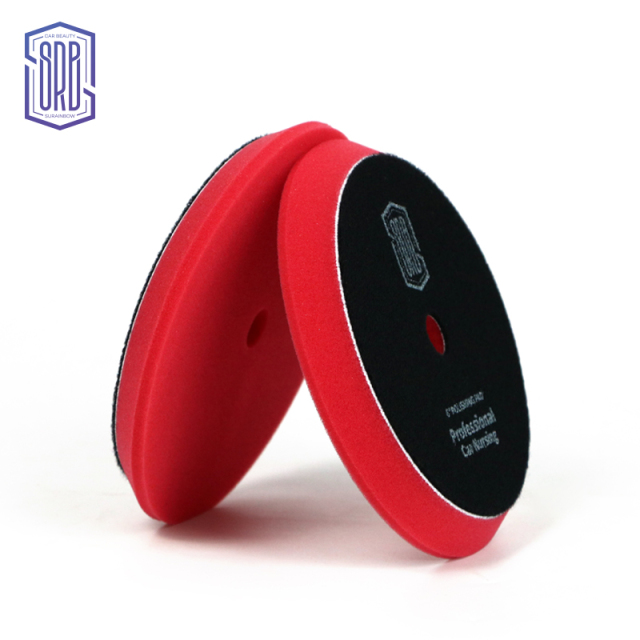
- Contoured outer edge: rolls over creases, bumper corners and door edges without the rim digging into the paint.
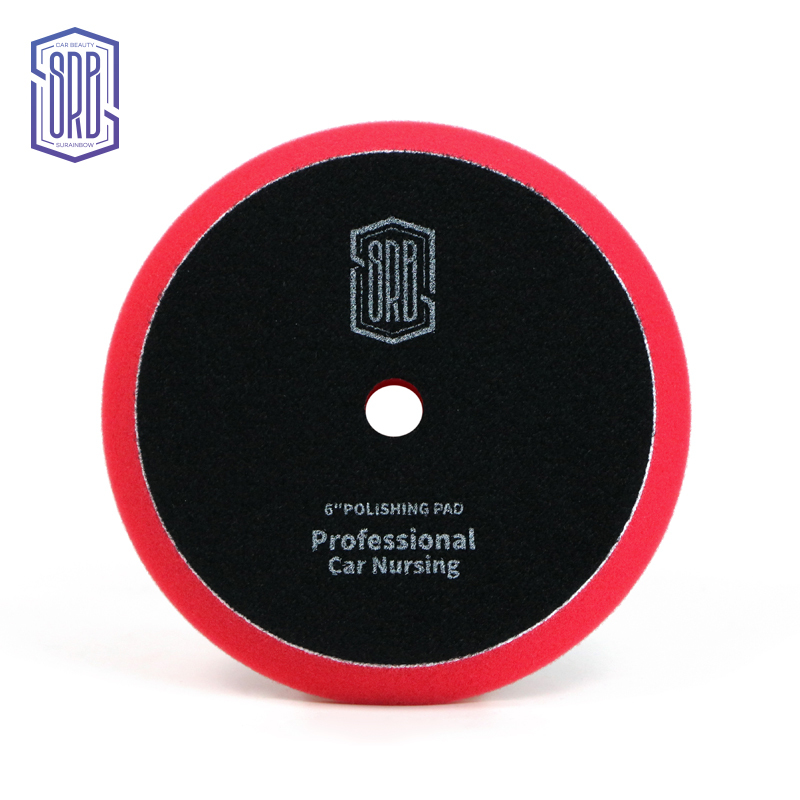
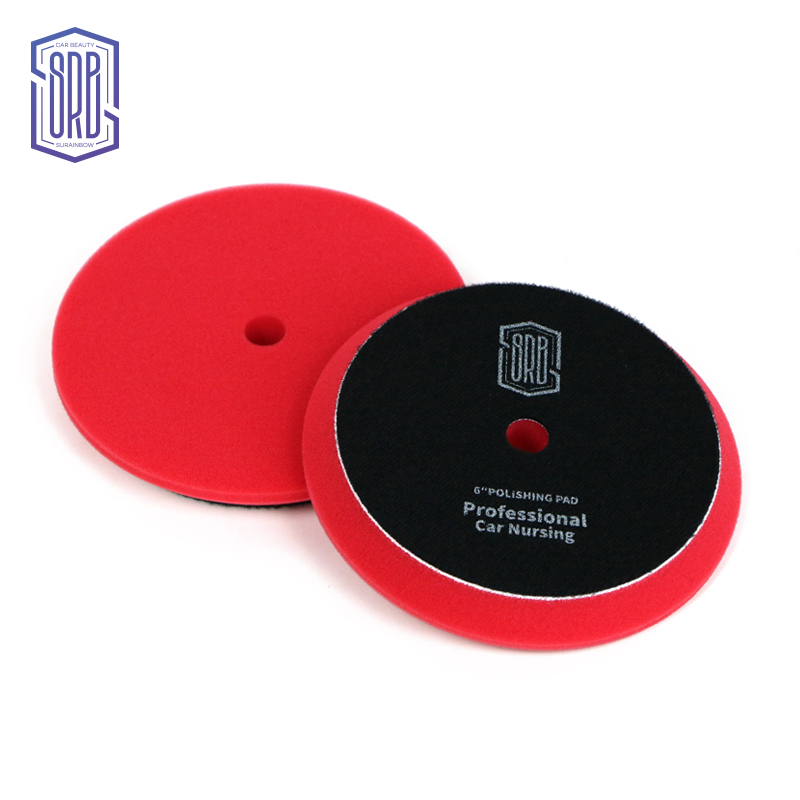
- Open centre hole: centres the pad on the plate and lets polish and heat escape from the middle of the foam.
- Hook-and-loop backing: swap between a cutting pad and this finishing pad mid-panel without re-mounting the machine.
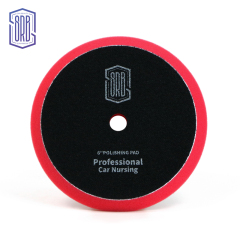
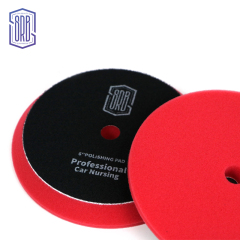
- Printed backing label: the size and brand are printed on the backing, so pads stay identifiable once they are out of their bags on a busy trolley.
- Reusable tool, not a liquid: unlike car polish products that are used up in a single job, the pad is washed and returned to the kit until the foam finally wears out.
- Separate grade from a cutting pad: the foam that levels defects with a compound car polish will haze soft paint if it is used for refinement, so keep the two grades apart.
Polishing Sequence
- Wash and dry the vehicle first: a pad that picks up grit turns a finishing pass into a scratching pass.
- Read the paint under a swirl finder or a strong lamp, and if the defects need levelling, cut them back with a firmer pad and a compound car polish before this pad comes out.
- Fit the pad to the 5-inch plate, press it flat so the hook-and-loop engages fully, and set the machine to a low-to-mid speed.
- Prime the face with a light mist or a few small drops of polish, then work one panel at a time in overlapping passes with light arm pressure.
- Wipe the residue with a clean microfibre and inspect the panel before moving on; a second short pass is cheaper than re-doing a whole side.
- Seal the result with a car wax polish or a coating once the paint reads clear, so the gloss you have just refined stays on the car.
- Clean or swap the pad before it goes onto the next panel or the next vehicle.
Application Scenarios
- Full-vehicle refinement in a detailing bay: after the compound car polish stage, one pad per panel section keeps the finish consistent from bonnet to boot.
- Post-repair haze removal: a repaired and flatted panel can be brought back to the same gloss as the paint around it.
- Used-car reconditioning: a refinement pass lifts the dull, hazy look that makes a straight car sell short on the forecourt.
- Bumper, mirror and pillar work: the soft face lets you work smaller, curved panels without fighting the machine.
- Wax and sealant spreading: at low speed the same soft foam lays a car wax polish or a liquid sealant in a thin, even film.
- Product demonstrations: a pad that shows its result quickly is a simple way to show a customer what a polish for car paint does beside a wax-only finish.
- Distributor stock lines: shops that sell polishing consumables keep this grade beside their bottles, because the pad is what makes the bottle work.
Pad Size & Machine Fit
- Measure the backing plate first: the pad is built for a plate of the size given in the specifications above, and a smaller plate leaves the foam unsupported at the rim.
- Expect the face to overhang: the foam runs wider than the plate, and that overhang is what gives the pad its forgiving edge on curves.
- Check the plate itself, not just the size: worn hook-and-loop, a bent spindle or a missing bolt will let soft foam creep off-centre at speed.
- Match the machine to the pad: it is specified for dual-action polishers, where the orbit does the work and hand pressure only steers the head.
- Confirm the grade against the job: this is the refinement stage, where a polish for car paint is worked to a clear gloss rather than cut back.
Use & Care
Load the face lightly. Two or three small drops spread over the foam, or a single mist of pad conditioner, prime it well enough, and over-loading pushes polish into the foam where it dries, hardens and glazes the face. On the machine, run at a speed where the pad still turns freely under light pressure and keep it flat to the panel — tipping onto the edge concentrates heat and wears the rim first.
Clean the pad on the fly with a soft brush or a short burst of air between sections, and wash it properly at the end of the job. Warm water and a dedicated pad cleaner are enough; solvent-heavy car care supplies such as degreasers or thinners attack the foam and the backing adhesive. Rinse until the water runs clear, squeeze gently instead of wringing, and dry the pad face-up in open air.
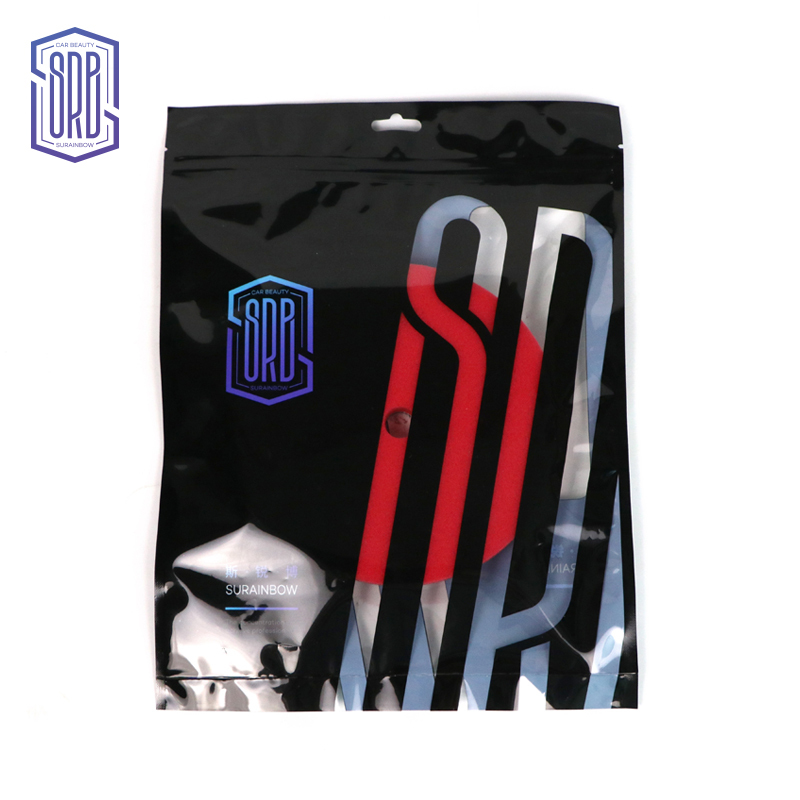
Store pads flat and dry, in the poly bag they arrive in if shelf space allows, away from oil, dust and direct sun. Retire a pad when the foam stops springing back, the face glazes over or the edge starts to round off: a tired pad polishes unevenly and is a common reason a finish looks worse than the paint underneath it. Never move a pad used with compound into finishing work.
Ordering & Delivery
- Minimum order: 100 pcs, so a single shop can start with one small box and a distributor can stock a full case.
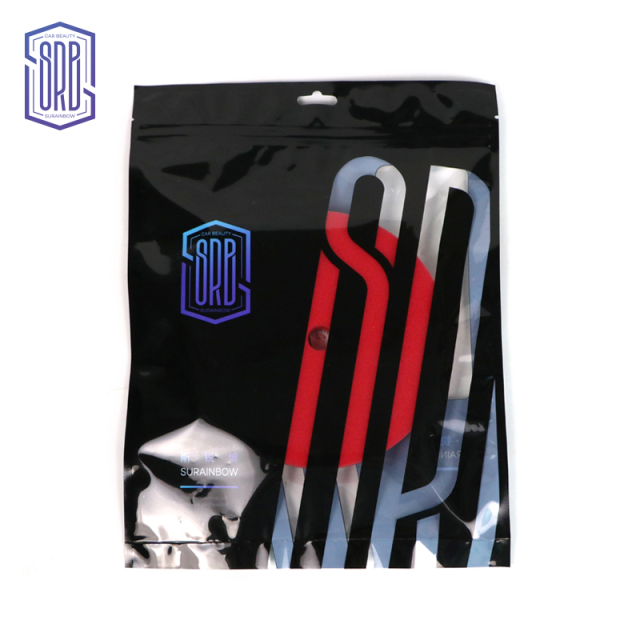
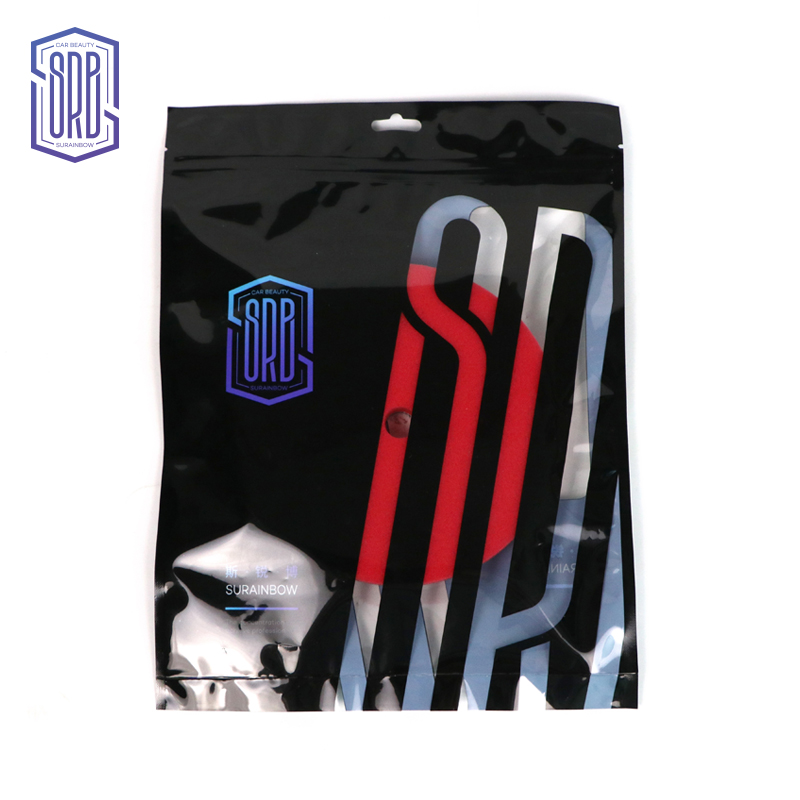
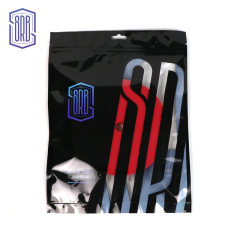
- Packing: each pad is supplied in a poly bag, with the outer carton and pack quantity confirmed on the order.
- Availability: in stock and fast shipping.
- Sampling: ask for current sample terms and request the grade you plan to sell, so the foam can be checked against your own polish before a bulk order.
- Packaging design: printed bags, labels and carton marks can be proofed and approved for your brand before production starts, and OEM or ODM requests for this pad are confirmed at quotation stage.
- Settlement and dispatch: the balance, the dispatch date and the document set are agreed per order and confirmed before the goods leave.
- Range fit: the pad sits alongside the rest of our car polish products, so pads and liquids can go on one order sheet.
- Combined shipping: it can travel with polishes, waxes and other car care supplies on the same shipment.
- Supply: we are a car wax manufacturer and detailing supplier in Guangzhou, and this pad is part of the polishing side of that range.
- Market documents: if your market needs a specific safety or test document for this item, say so at quotation stage and we will confirm what can be issued.
Quality & Batch Traceability
Foam is checked before anything is bonded to it: pads are inspected for a consistent face, an even pore structure and a cut edge that sits flat, then measured against the sizes agreed for the order. Backing adhesion gets the closest look, because a pad that creeps on the plate at speed will not stay centred, and one that lifts at the rim can mark the paint it is supposed to refine.
Each production run keeps its batch reference, so a question about a specific delivery can be traced back to the foam lot and the packing date. If a pad fails in service — the face glazes early, the foam tears, or the hook-and-loop stops gripping — quote the batch reference and the order it came from, with a photo of the pad and a short note on the machine speed and polish used. That record turns an after-sales review into a conversation about a real defect rather than a guess.
The same system covers the rest of our car care products: the polishing pads, waxes and wash chemicals run through one quality process in Baiyun, Guangzhou, and a repeat order is matched against the specification approved the first time. If you would rather hold a sealed reference pad against future deliveries, say so when the order is confirmed. Distributors who buy pads, polishes and wash chemicals in one place tend to consolidate with a small number of car cleaning products manufacturers for exactly this reason — the reference stays with one supplier.
Scale & Supply Capability
We are Guangzhou Liangdian Automotive Supplies Co., Ltd., an integrated manufacturing and trading company founded in Guangzhou in 2010. With 50 employees, we supply a broad range of car care products to distributors, wholesalers and brand owners. Our range lets you source across categories through one supplier, with in-stock options and fast shipping. Alongside our SURAINBOW brand, we offer OEM/ODM customization, supported by a professional R&D team that can design and develop products around your requirements.
FAQ
Is this pad for cutting or for finishing?
Finishing. The foam is soft and the pad is meant to run with a fine polish after the defects have already been levelled with a cutting pad. Run a heavy compound on it and the foam simply absorbs the abrasive without doing much correction; run a finishing polish for car paint on it and the panel comes up clear and even.
Can it be used on a rotary polisher?
It is specified for dual-action machines, where the orbit does the work and light hand pressure steers the head. A rotary turns the pad on a single axis at much higher surface speed, and soft foam heats quickly under that load. If your shop works with a rotary, tell us the machine and the speed range you plan to use and we will confirm whether this pad suits the set-up.
What is the hole in the middle of the pad for?
The open centre lets the plate spindle or bolt sit through the pad so it centres itself, and it gives polish and heat somewhere to escape. On a solid pad the middle is the first area to overheat, glaze and break down.
Can the same pad be used to apply wax?
At low machine speed the soft foam spreads a car wax polish or a liquid sealant in a thin, even film, and it is a common way to finish a car after the polishing stage. Keep a separate pad for wax and sealant: polish left in the foam will contaminate the next wax job, and wax left in a polishing pad will dull the next refinement pass.
How long does a pad last before it needs replacing?
Pad life depends on machine speed, hand pressure and how clean you keep it. Retire it when the foam stops springing back, the working face glazes over or the edge rounds off, because a tired pad polishes unevenly and is a common reason a finish looks patchy. Washing it after every job and storing it flat and dry gets the most out of each pad.
Do you supply other grades besides this finishing pad?
This one is the soft finishing grade in wine red. Our wider car care products range also includes compounding and refining pads, so a cutting pad and a finishing pad can go on the same order. Tell us the polish you plan to run and we will confirm which grade pairs with it.