Product Overview
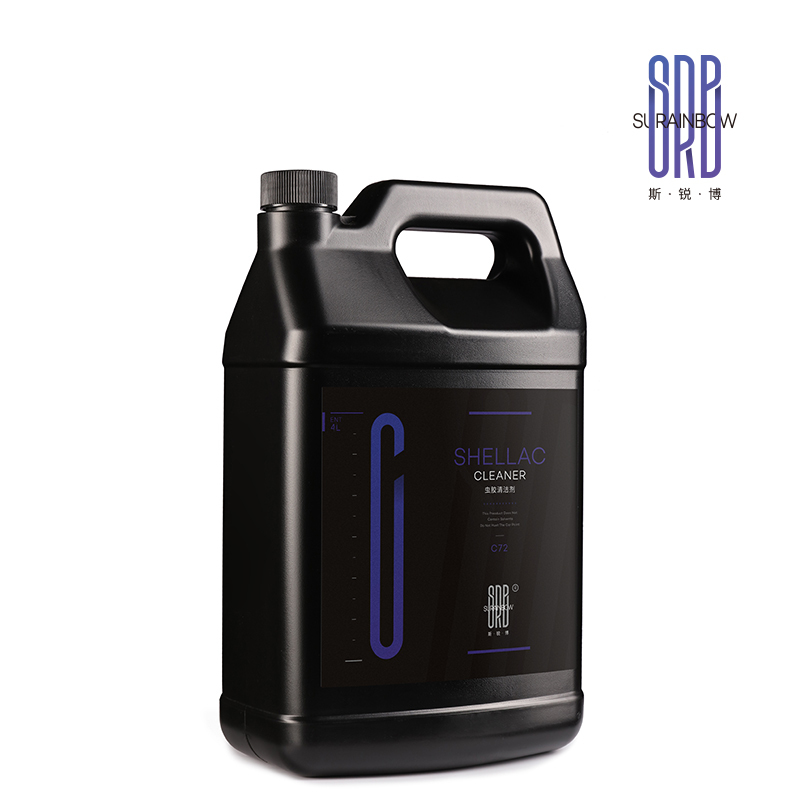
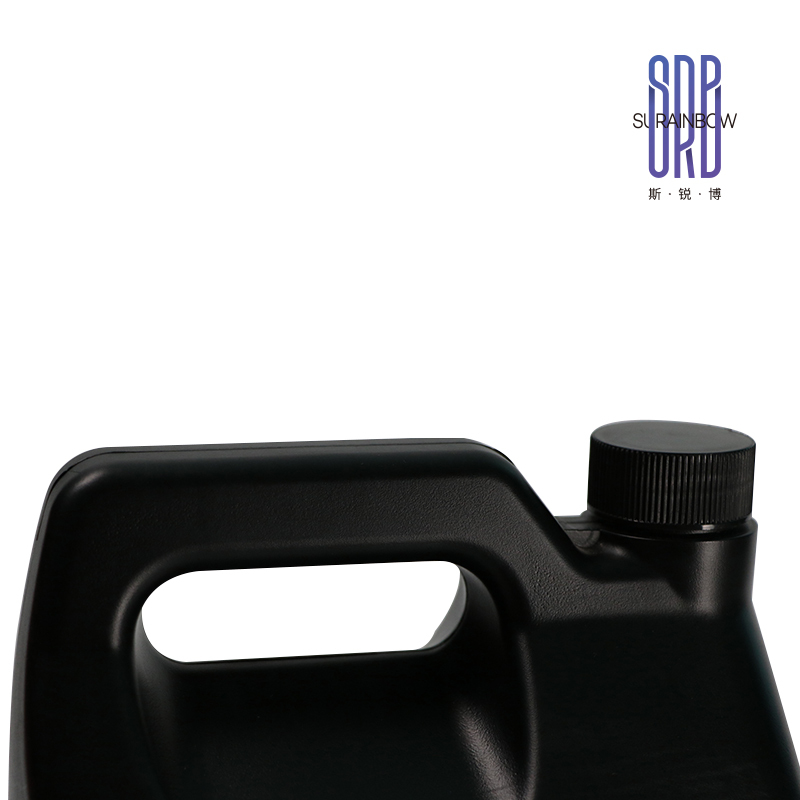
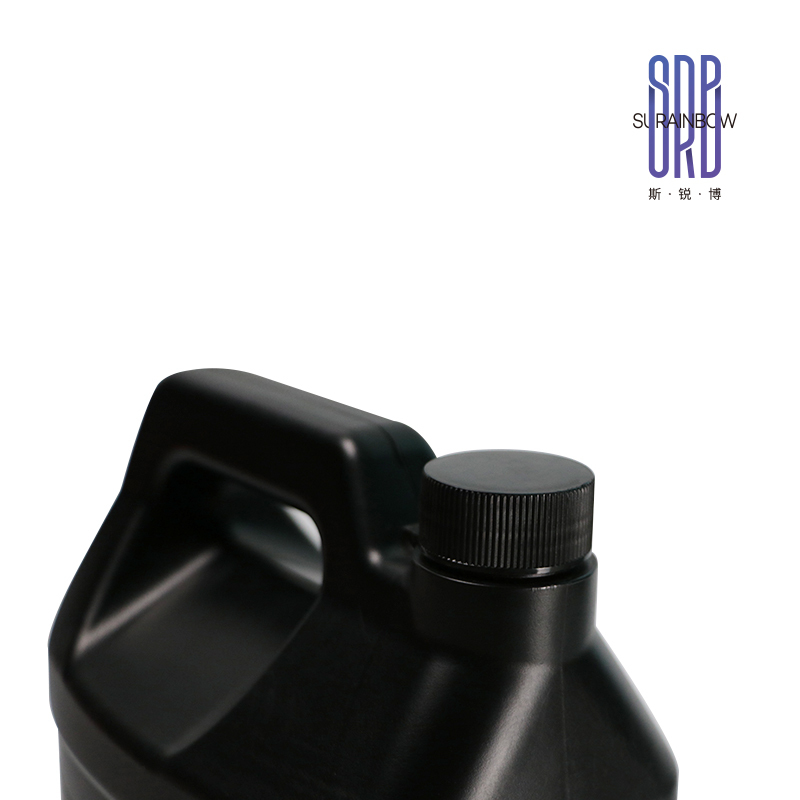
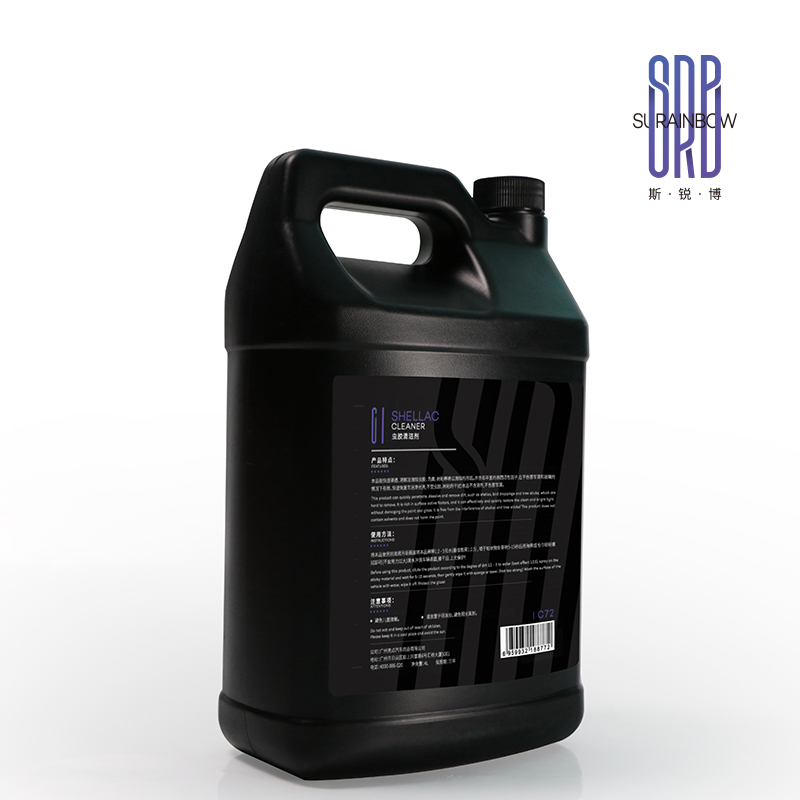
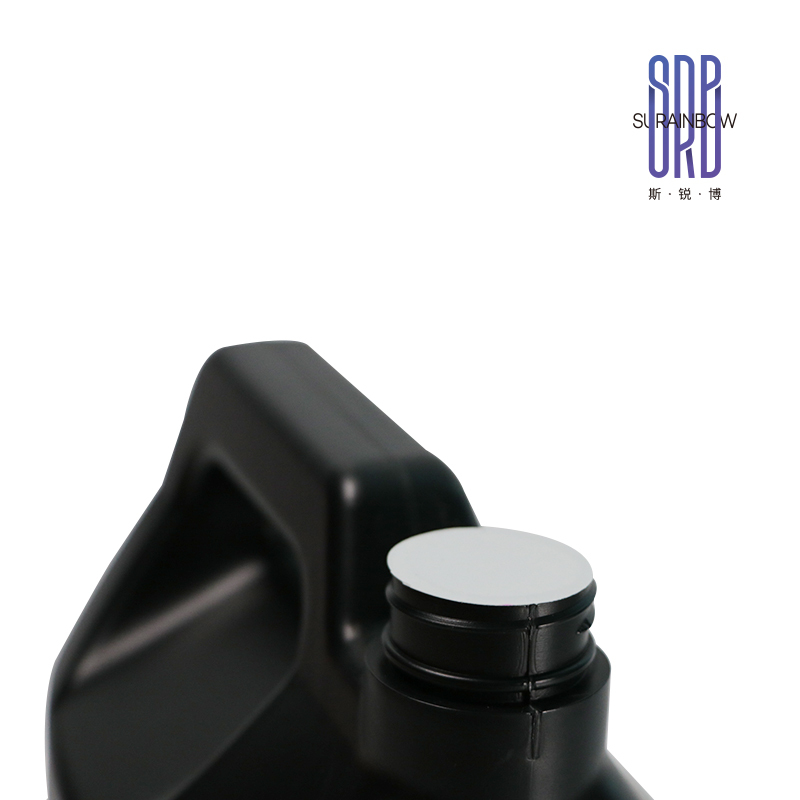
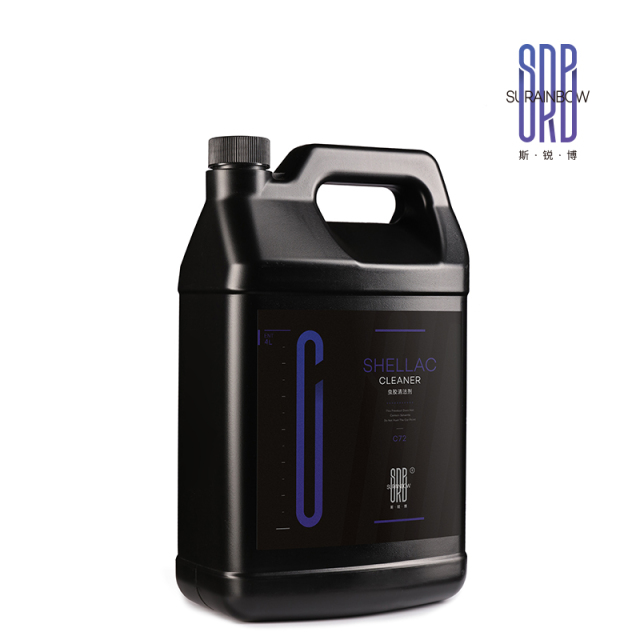
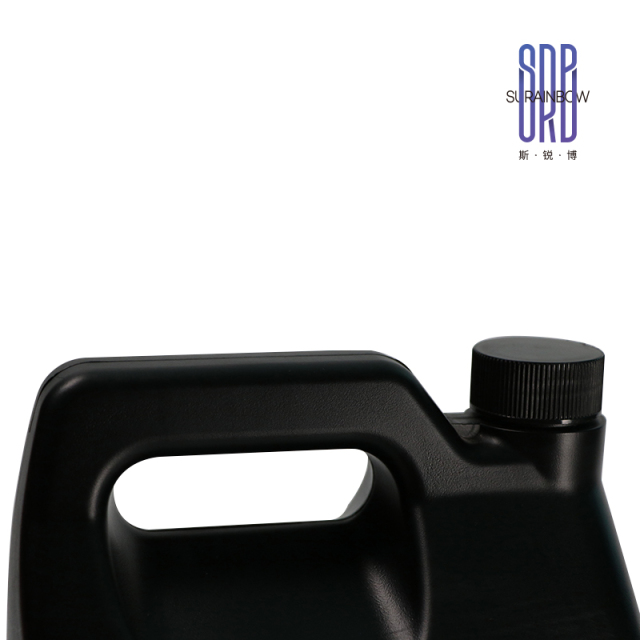
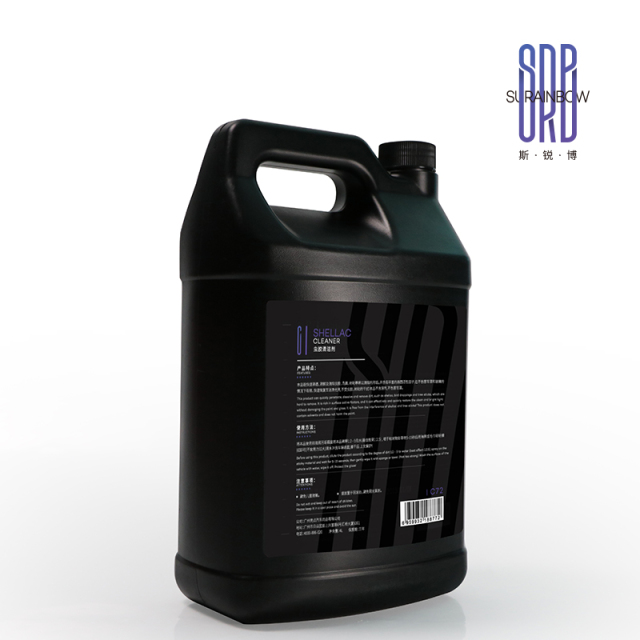
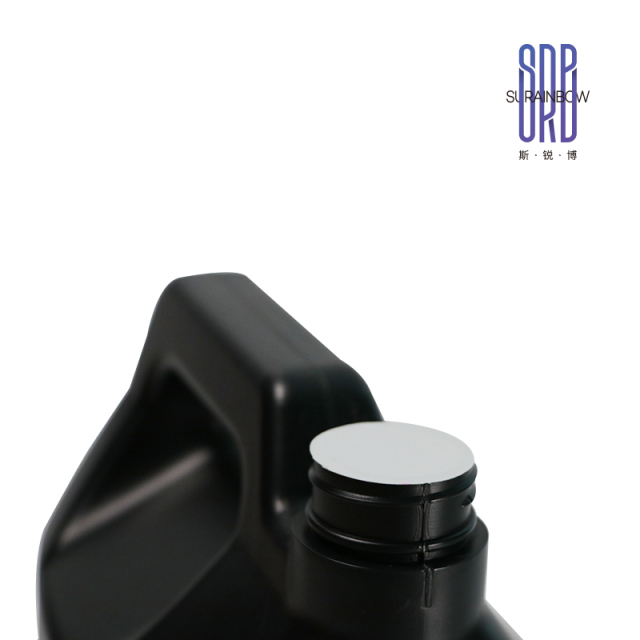
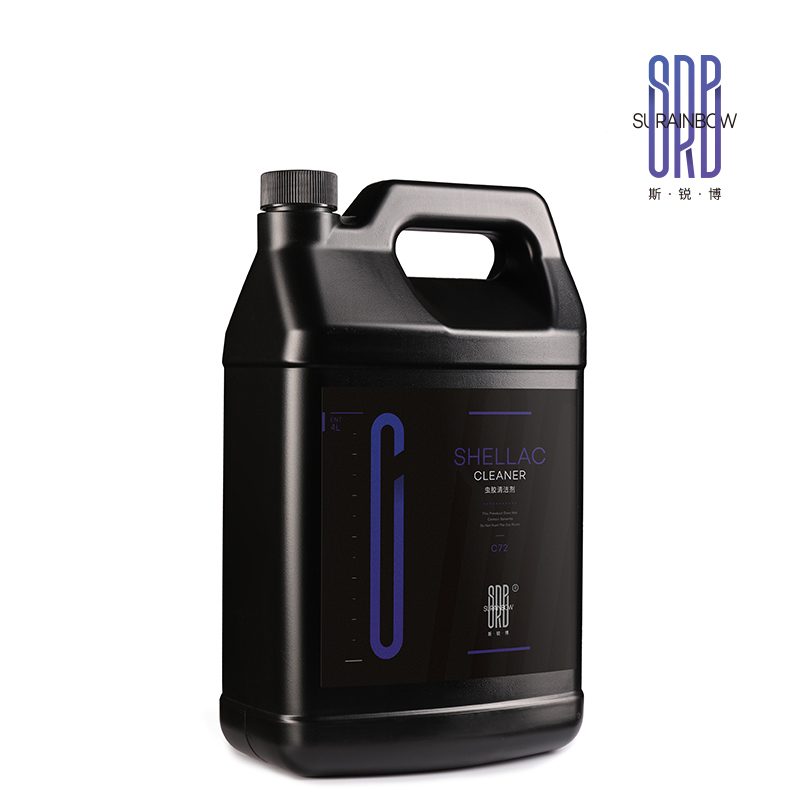
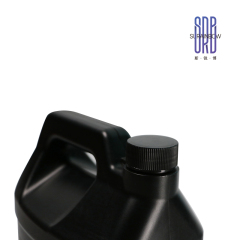
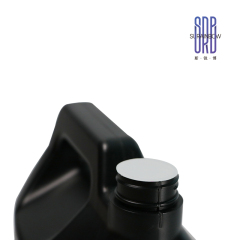
SURAINBOW's shellac cleaner is a targeted car detailing cleaner for the hard, bonded contamination that survives a normal wash: shellac spots, bird droppings and tree resin. The chemistry works by penetrating and dissolving the deposit rather than by abrasion. A heavy load of surface-active agents does the softening. That is where a general car wash cleaner stops and this one starts: the wash takes the loose film, this takes what has bonded to the surface. Most of the buyers we ship to meet this contamination every week. Detailing studios and wash bays keep a jug at the chemical station, distributors and e-commerce sellers stock it as their single decontamination item, and dealer prep teams use it to bring trade-in stock back to a presentable finish. The jug has a moulded carry handle and a ribbed screw cap, so filling a spray bottle at the bay takes seconds. This cleaner sits in the wash section of the professional range, next to the shampoos and the polishing line, and as a car wax manufacturer we supply it either as a stock item or under your own label.
Dilution & Application Steps
- Set the dilution.
- Mix the concentrate 1:2 with water.
- The ratio is set according to how heavily the panel is fouled, so look at the deposit before you fill the bottle rather than after.
- Fill an acid- and alkali-resistant spray bottle.
- The product is designed for a chemical-resistant sprayer; a trigger and seal that stand up to the chemistry save you a replacement mid-job.
- Knock the loose material off first.
- A wet towel laid over a dropping lifts the bulk so the spray reaches the bonded film underneath instead of the grit on the surface.
- Mist the spot, not the panel.
- Spray directly onto the sticky material.
- There is no benefit in wetting a whole panel the way a car wash cleaner would, and it only makes the rinse longer.
- Let it dwell for 5–16 seconds.
- The short end suits light films and warm panels, the longer end suits hardened deposits.
- Watch the spot while it works; the liquid should not be allowed to dry on the surface.
- Wipe gently with a sponge or a towel.
- Light pressure is enough once the deposit has softened.
- Pressing hard is where marks come from, so let the chemistry do the work.
- Rinse with a high-pressure gun and dry.
- Flush the treated area and the panel around it, then wipe dry so nothing is left to dry in the sun.
- Finish with protection.
- The routine ends with a glaze or protection pass, so the cleaned area leaves the bay carrying the same protection as the rest of the car.
Surface Compatibility & Spot Testing
On sound factory finishes, used as directed, it lifts the deposit without attacking the finish underneath. Anything outside that needs a test first. Repainted panels, smart repairs, single-stage paint, matte and satin wraps and freshly corrected surfaces can all react differently, and a two-minute check on a hidden area — a door jamb, the underside of the boot lid — tells you more than any general statement about compatibility. Keep the spray off unpainted plastic, rubber, anodised trim and badges unless you have tested them, and rinse anything that catches overspray straight away. Do not let the mist sit on an adjacent panel while you work on the spot in front of you. Work a cool panel, out of direct sun, one area at a time. If the job continues into a car polish pass or under a ceramic coating on car panels, rinse thoroughly and dry before the next step begins; residue left in a seam or under a trim edge will show up later, when the coating has cured and cannot be corrected easily.
Where It Gets Used
- Bird droppings on horizontal panels.
- Bonnets, roofs and boot lids collect them within a day of parking under trees.
- Lift the bulk with a wet towel first so the spray reaches the bonded film rather than the grit sitting on top of it.
- Tree resin and sap mist.
- Cars parked under limes, pines or street trees pick up a fine tacky film across the upper body that traps dust and will not wash off.
- It is one of the deposits this cleaner is built for.
- Hardened shellac and resin spots.
- Dried spots that survive shampoo and a wash mitt need a short dwell to soften them before a towel will lift them without pressure.
- Windscreen and side glass.
- Glass collects the same deposits as paint, and glass is the second surface this product is made for.
- It is often the first place a customer notices the result, because the wiper arc clears.
- Pre-correction and pre-coating work.
- Where the job continues into a car polish pass or under a ceramic coating on car paint, the panel has to be free of resin before a pad or an applicator touches it.
- Dealer and used-car prep.
- Trade-in stock usually arrives with months of droppings and sap on it.
- A spot treatment inside the normal wash cycle keeps a handover on schedule.
- Importers building a range.
- Buyers comparing car cleaning products manufacturers usually test on the contamination their own market sees.
- This is the sort of item that fills the decontamination slot in a car care products line without duplicating the shampoo.
Specifications
| Model | C-72 |
|---|
| Product name | Car shellac cleaning agent |
| Brand | SURAINBOW |
| Place of origin | Guangdong, China |
| Weight | 3.7 kg |
| Colour | Black |
| Form | Liquid concentrate, diluted before use |
| Dilution | 1:2 with water, adjusted to the level of soiling |
| Primary use | Cleaning |
| Application area | Car body |
| Surfaces | Car paint and glass |
| Pack format | 4 jugs per carton |
| Shelf life | 3 years |
| Safety documentation | MSDS |
Handling, Storage & Stock Rotation
- Gloves and eye protection.
- Decanting and spraying both call for gloves and eye protection, and the bay should be ventilated while the trigger is in use.
- Keep it in the original jug.
- The batch code, label and hazard information stay with the product.
- Decanting into an unlabelled bottle loses the traceability you need if a batch is ever questioned.
- Sealed, upright and out of the sun.
- Heat and direct light are hard on liquid car care products, so a shaded shelf at the back of the store beats a windowsill.
- Keep the cap tight between uses.
- Rotate first in, first out.
- In any warehouse that carries car care supplies, moving the older jugs out first keeps the label date from creeping up on you between seasons.
- Flush the sprayer at the end of the day.
- Clean water through the trigger stops residue drying in the nozzle and keeps the spray pattern even on the next job.
- Deal with spills using water.
- Dilute with plenty of water, mop up, and keep the run-off out of drains and surface water.
Ordering & Delivery
- Check the pack against your plan. Orders start at 200 pcs and each carton holds 4 pcs, so a first order is easy to size against a bay's consumption.
- Approve a sample and seal the reference.
- Ask your sales contact about sample availability and any sample or courier charges, then test appearance, dilution behaviour and the result on your own panel.
- Keep the approved sample sealed as the reference for the bulk run.
- Approve the packaging and label.
- Artwork, label language, barcode and carton marks are reviewed before production, and your own brand can go on the pack when you hold the rights to it.
- Buyers who have ordered from other car cleaning products manufacturers usually ask for the MSDS and a sealed reference at this stage.
- Confirm the commercial terms.
- Payment method, currency, Incoterm and the document set for your destination are fixed on the order confirmation before production is released.
- Plan the mixed order.
- Shampoo, polish and wax can travel with this jug.
- As a car wax manufacturer as well as a cleaner supplier we hold the rest of the liquid line, so ask your sales contact to build one container around the whole car care products order.
- Production, documents and dispatch.
- Each batch is compared with the approved reference before packing.
- The MSDS and the usual commercial documents travel with the shipment.
- In stock and fast shipping — send consignee details and carton marks early so the order is booked on the next available movement.
- After-sales and batch traceability.
- If a jug arrives leaking, or a batch does not match the sealed reference, quote the batch code, the affected quantity and clear photos so the case can be traced back through production records and reviewed against the approved sample.
Scale & Supply Capability
SURAINBOW is run by Guangzhou Liangdian Automotive Supplies Co., Ltd., a factory-trade operation set up in Guangzhou in 2010 and now 50 people strong. Sixteen years in car care have given us a one-stop supply position: our own SURAINBOW lines are held in stock for fast shipping, and an associate factory with modern production equipment and an established quality management system keeps replenishment moving. We take OEM and ODM work and our R&D team develops to your specification. Buyers in the Middle East, the United States, Southeast Asia, Europe, the UK, Russia, Africa and Australia already order from us.
FAQ
Is this different from a car wash shampoo?
Yes, and the two work in sequence. A car wash cleaner lifts loose dirt across the whole body; this product is a car detailing cleaner aimed at contamination that has already bonded to the surface — shellac, bird droppings and resin. Wash as usual, then treat the spots this cleaner is made for.
Can it be used as the decontamination step before a ceramic coating on car paint?
Yes, with a proper rinse afterwards. Using this car detailing cleaner ahead of the coating removes the resin and droppings that would otherwise sit underneath it. Rinse thoroughly, dry the panel, and then follow the coating's own preparation and wipe-down requirements before application.
What about wheels, tyres, plastic trim and interior surfaces?
They are a different job. This product is made for car paint and glass; rubber, unpainted plastic, anodised trim and interior materials are better served by the car care supplies made for them. If you want to try it on a coated wheel or a trim edge, test a hidden area first.
What should I do if the liquid dries on the panel before I wipe it off?
Mist the spot again and wipe with a damp towel — the deposit re-softens quickly and does not need extra pressure. Work smaller areas, keep the car out of direct sun, and keep a dry towel within reach; the job needs no specialist car care supplies beyond a spray bottle, a towel and a hose.
Does this replace a car polish?
No. The cleaner takes contamination off the surface, while a car polish refines the paint itself — swirls, wash marks and oxidation. The order is wash, decontaminate, then polish. Buyers comparing car cleaning products manufacturers usually want both steps from one line, and sourcing from a car wax manufacturer with a full liquid range is how the polish, the wax and this cleaner stay consistent.