Product Overview
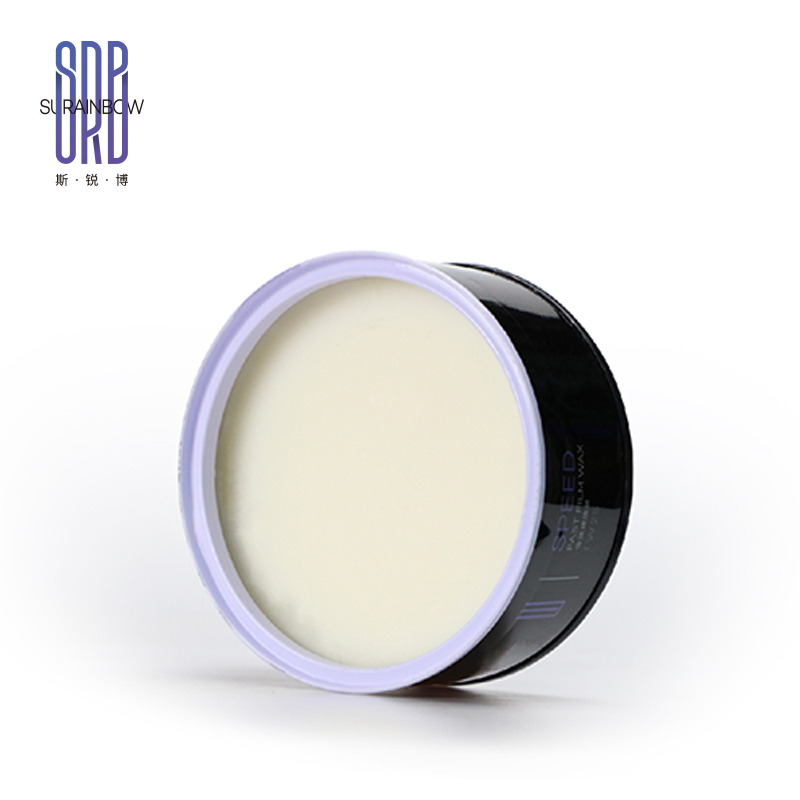
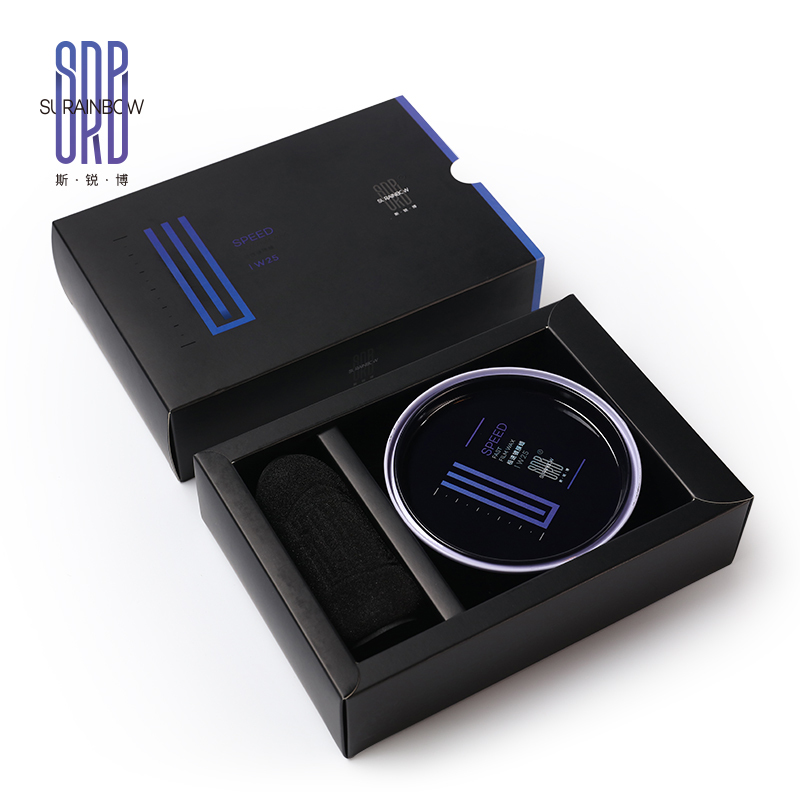
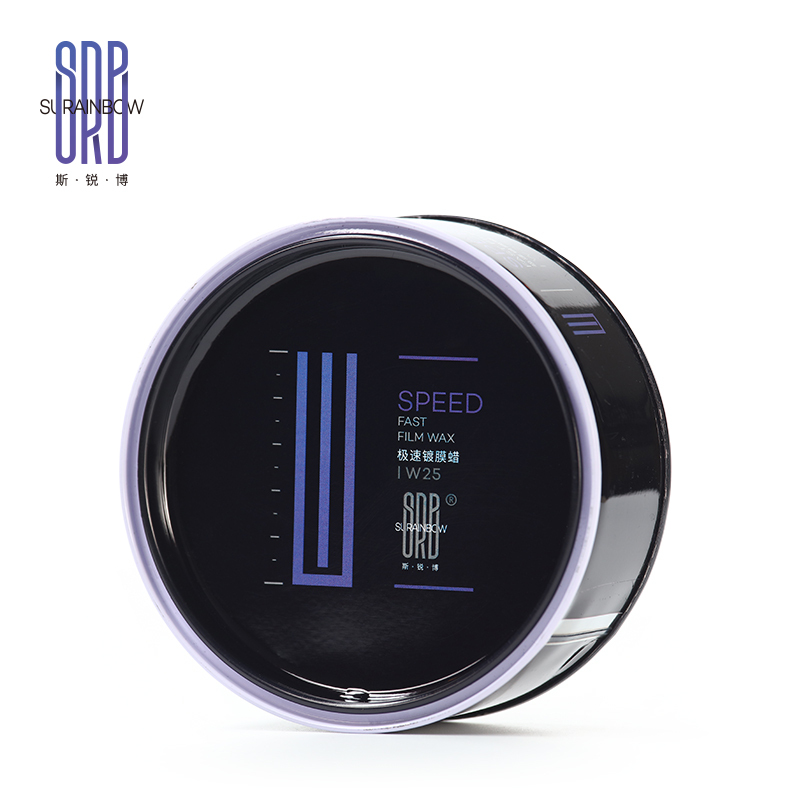
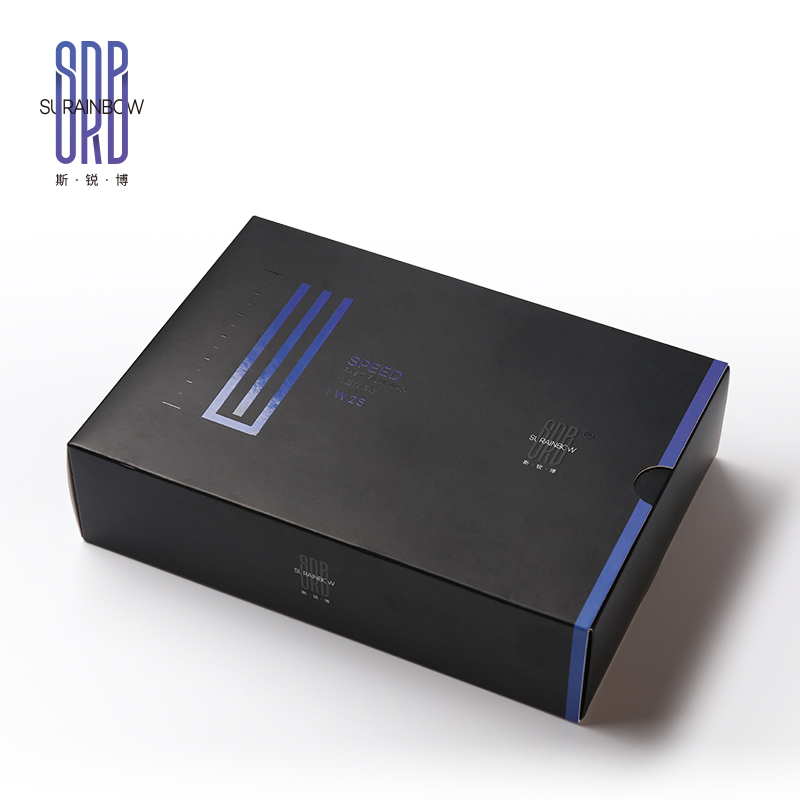
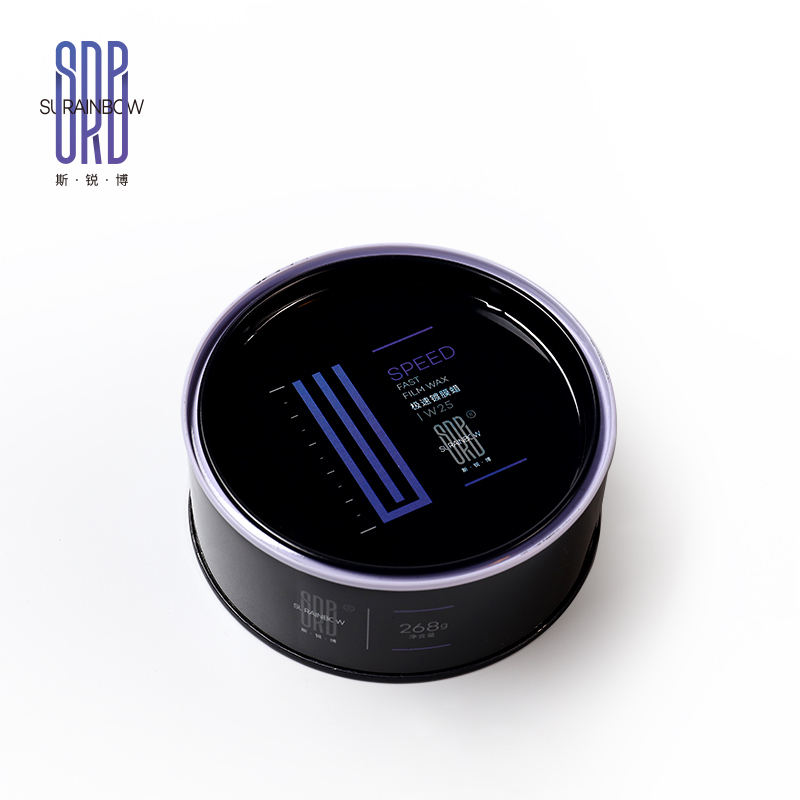
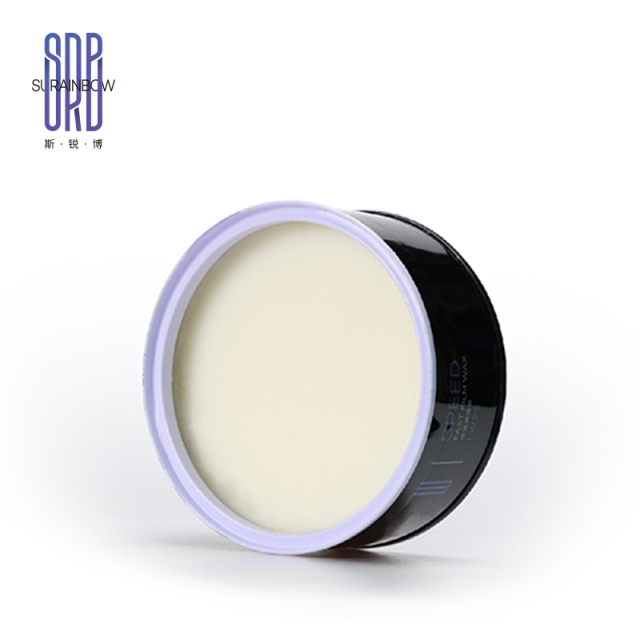
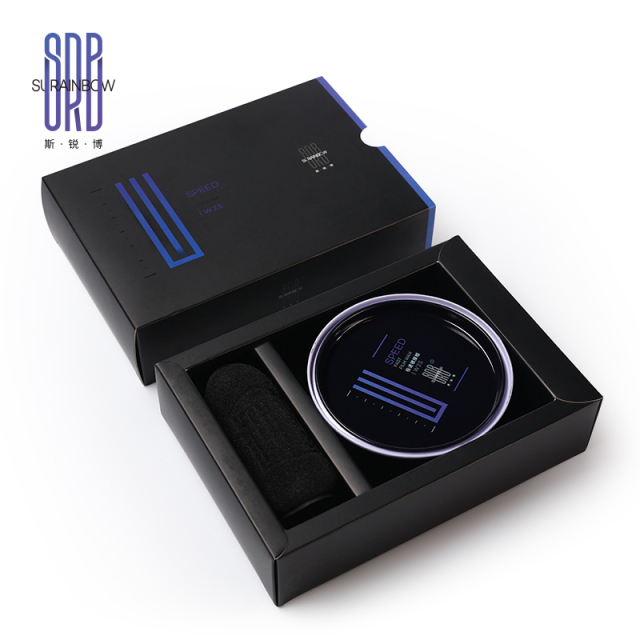
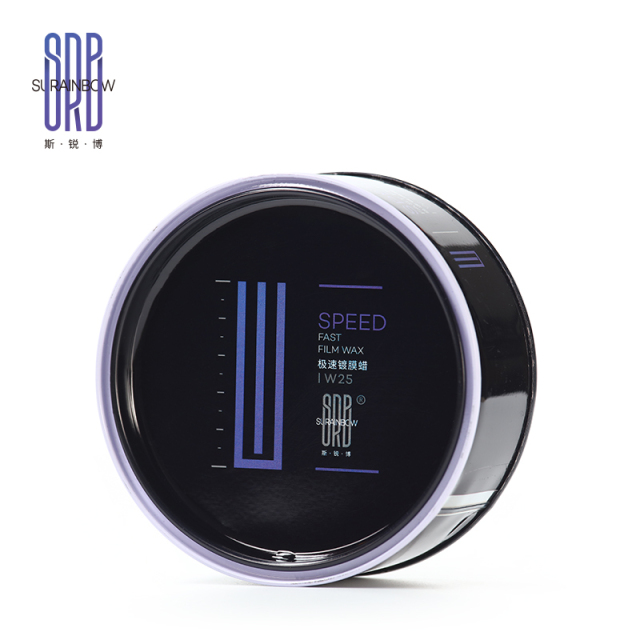
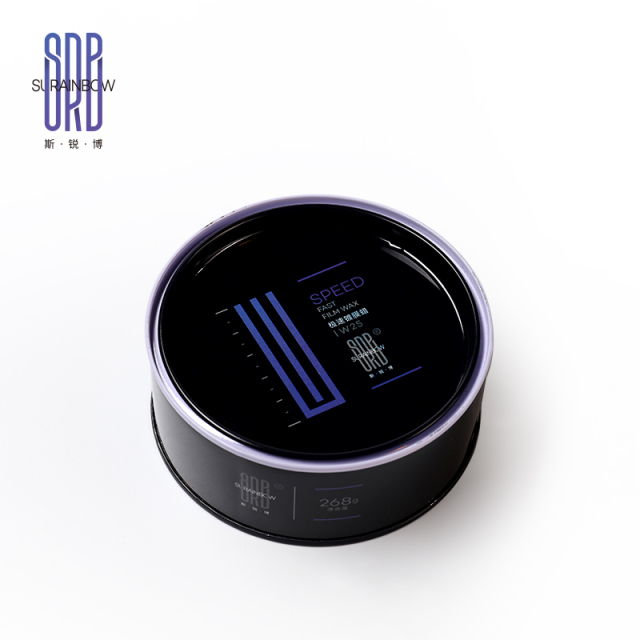
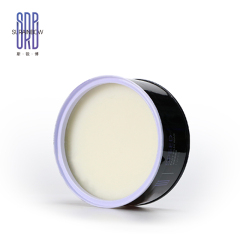
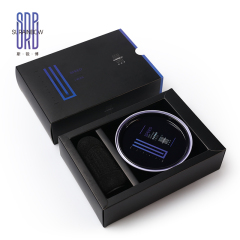
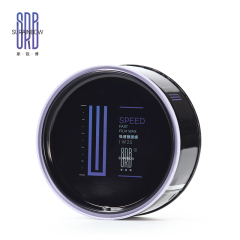
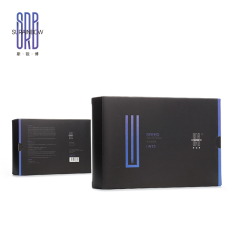
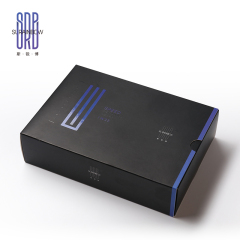
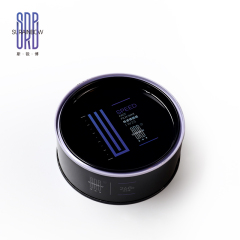
No.W25 is a paste car wax built on natural carnauba wax and polish resin. Carnauba brings the hardness and the shine; the resin keeps the paste soft enough to spread thin and wipe off cleanly instead of dragging across the panel. The blend passes through an FFS luster-locking process, and that is where the staying power comes from, the gloss is still there after the first wash rather than flattening out. What buyers notice first is the look. On the panel it deepens colour and adds a wet, glassy depth, which is why detailers reach for it on solid black, deep blue and red paint before a handover. What they notice second is water: after a rinse or a shower, droplets pull into tight beads and run off, and the panel dries with far fewer marks left behind. This is a finishing step, not a correcting compound. It goes on after washing, decontamination and any polishing work, and it protects what those steps produced. A shop running a coating line keeps a jar for cars that are not being coated, and for the yearly top-up where an owner wants the slickness back on a coated panel. That is a working jar for a busy bay rather than a shelf ornament, and the results show in a single pass rather than over a long claims list. Surainbow is a car wax manufacturer based in Guangzhou, and this paste sits in the wax stage of a car care supplies line that also runs through wash shampoo, polish compounds and ceramic coatings. A distributor can build a complete process around it instead of buying the wax separately from the rest of the shelf.
Finish and Water Beading
- Deep gloss on dark paint. On solid black, deep blue and burgundy the film adds a wet, glassy depth that reads clearly under handover lighting; on silver and white the gain is a sharper, cleaner reflection along the shoulder lines rather than a change of colour.
- Tight water beading. After a rinse, droplets stand up in small round beads instead of spreading into a flat sheet, so the panel sheds water and dries with fewer marks. Water behaviour is the first thing a buyer tests in a car care wax.
- Cleaner washing between coats. Water and road film sit on the film itself rather than in the pores of the paint, so the next wash lifts dirt with less contact and less chance of adding swirls.
- UV resistance in the layer. The film screens the paint from the UV side of sunlight, which matters most on cars that live outdoors and on dark colours where fading shows first.
- A long lasting car wax in practice. The shine holds through repeated washing, and the honest gauge is water: while droplets still bead, the coat is working, and the gloss follows from it.
- Built for bay use. A jar loads a sponge block quickly, spreads across a full panel with very little product and buffs off without dust, the practical side of a wax for car handover work.
Quality and Batch Traceability
- A sealed reference sample. Before a bulk run, an approved sample is sealed and kept; each batch is compared against it for colour, paste texture and the way the film spreads and buffs.
- Checks at filling. Fill weight, lid fit, closure and label position are inspected as jars come off the line, so a box does not reach a pallet with a loose lid.
- Retained samples per batch. A jar from each run is held back, which is what allows a question months later to be traced to a specific batch instead of to a general description.
- Written batch records. Filling records sit behind the retained sample, covering the raw-material lot, the fill date and the inspection result for that run.
- Consistency across repeat orders. A car wax wholesale account that reorders through a season cares about matching the approved sample, not matching a colour photo, and the sealed reference is what makes that comparison possible.
- What to send if something looks wrong. Batch number, quantity affected, a clear photo or video and a short note on how the jar was stored and used gives the team enough to compare the product against its retained sample.
- Production under a managed quality system. The Guangzhou factory runs its lines under an ISO 9001 quality system, and the car wax manufacturer keeps the records that go with it.
Application Steps
- Wash the car and dry it fully. A wax for car paint bonds to clean, dry panels, not to dust or traffic film, so a decontamination pass with a clay cloth comes before the first coat on any car that needs it.
- Move the car into shade. Direct sun heats the panel and makes the car wax polish set too quickly, which is the usual cause of streaky wipe-off.
- Check the panel temperature with the back of your hand. If it is hot to the touch, let it cool; a warm panel shortens the working window badly.
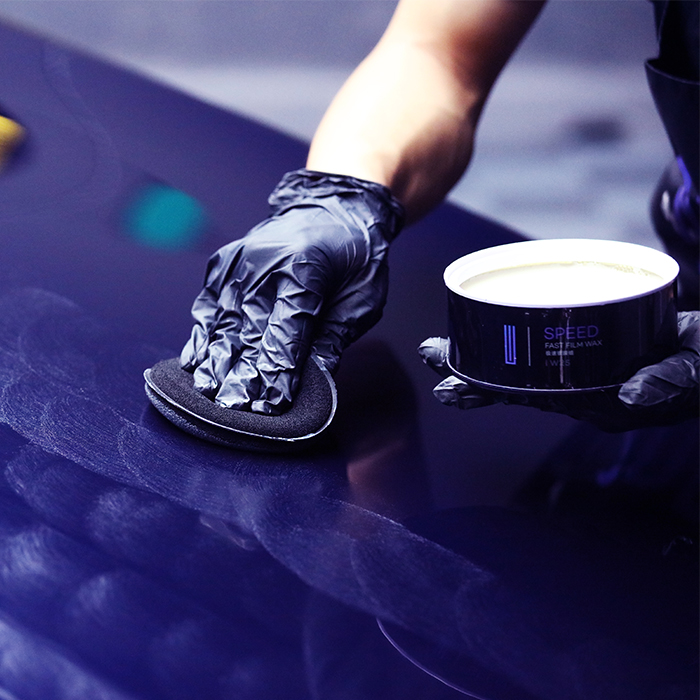
- Load a sponge block or foam applicator with a thin film of paste. A coat you can barely see is the right thickness, a heavy coat is harder to buff and wastes product.
- Spread it with straight, overlapping passes, one panel at a time, and keep the film inside the panel edges. Masking textured plastic and unpainted trim is faster than cleaning it afterwards.
- Leave it to set for 5 to 10 minutes, until the film turns from wet to a light haze. Humid weather pushes it to the longer end of that window.
- Buff with a clean towel or non-woven cotton, turning the cloth as it loads up, then finish with a second clean cloth to lift residue from panel gaps and edges.
- Read the finish in raking light before the car leaves the bay. The car wax should sit as an even, wet-looking film with no haze left at the edges; a dull panel gets a second thin coat rather than a heavier one.
- - A pH-neutral wash shampoo. The paste bonds to a clean, residue-free panel, so a shampoo that rinses clear keeps the coat intact between applications. The SURAINBOW wash shampoo belongs to the same car care supplies line, which means a distributor can build the wash-and-protect pair on one order instead of sourcing it twice.
- A clay cloth or decontamination mitt. Bonded fallout, tree resin and overspray stop the film sitting flat, and wax laid over contamination lifts off early. One clay pass on a car that needs it is the cheapest durability gain in the whole process.
- Sponge blocks and foam applicators. A soft block loads a thin, even film and keeps fingertips off the panel. Keep one applicator per colour family, a pad that has worked on a dark car should not carry grit onto a white one.
- Two microfiber towels per car. One lifts the bulk of the residue and gets turned as it loads up; a second, clean and dry, finishes the edges, panel gaps and badge recesses where haze collects.
- A soft finishing pad for large flat panels. On a dual-action machine at low speed, a clean pad spreads the paste across a bonnet or roof quickly. Buff the residue off by hand so swage lines and panel edges are not overworked.
- A cured coating underneath, where the car has one. Wax over a coating adds slickness and warmth to the gloss. Expect the wax layer to wear before the coating does and top it up when beading drops, without stripping what is underneath.
- Trim and tyre dressings applied after the wax. Dressing overspray landing on a fresh film leaves a patchy finish that has to be re-buffed. Dress the trim and tyres once the panels are finished, or mask those areas before starting.
Washing and Maintenance
Wax is a sacrificial layer, so how a wax for car finish is washed between coats decides how long the shine stays. A pH-neutral shampoo and plenty of clean water keep the film intact; strong alkaline degreasers, solvent-heavy bug removers and automatic brushes take it off faster than anything the road throws at it.
Wash in shade where the schedule allows, and dry with a microfiber towel rather than letting the car air-dry. Standing water leaves mineral marks that sit on top of the coat and read as dull patches under handover light.
Watch the water behaviour rather than the calendar. While droplets still stand up in beads after a rinse, the car care wax is doing its job. Once the panel starts wetting out into a flat sheet, the layer has worn through and is ready to be topped up, on a daily driver that usually lands close to the monthly rhythm.
Bird droppings, tree sap and insect remains should come off promptly. They are acidic and sit directly on the film, and a damp microfiber with a light touch lifts them without taking the coat with them; scrubbing hard removes both.
Reapplication is the same job as the first coat, only faster: clean, cool panel, thin film, five to ten minutes, buff. Two thin coats on a bonnet or a roof add protection exactly where the car takes the most sun, and they still buff out inside the time a bay normally allows.
Getting a long lasting car wax result is as much about handling as about the formula. Keep the jar closed, at room temperature and out of direct sun, and keep grit out of the paste; a contaminated jar scratches paint the next time it is used. If the surface skins over, smooth it flat before loading the applicator.
Correction work comes first, always. Waxing over swirls or oxidation locks them in, so any compounding or polishing step belongs before the coat rather than after it.
Who It's For
Detailing shops and wash bays buy this paste for the last step of a job, when the paint is corrected and the car is going back to its owner. Importers and regional distributors stock it as the wax stage of a shelf that also carries shampoo, compounds and coatings. Private-label brands use the paste as the base for their own jar. Fill weight, label language and carton artwork are settled at the sampling and proofing stage, and the signed proof then becomes the print reference for every reprint that follows, so a run ordered six months later still matches the one that was approved. Car wax wholesale accounts and e-commerce sellers need a specification they can put straight into a listing and stock behind it. This is packed and priced for trade quantities rather than single-jar counter sales. If you want one jar to evaluate before committing to a line, ask about a sample rather than ordering a single box.
Specifications
| Product type | Paste car wax polish |
| Model | No.W25 |
| Base | Natural carnauba wax with polish resin |
| Luster system | FFS luster lock |
| Finish | High gloss |
| Water behaviour | Hydrophobic, beads and rolls off |
| UV | UV resistance in the film |
| Net content | 268 g per box |
| Coverage | Around 10 to 16 cars per box |
| Set time | 5 to 10 minutes before buffing |
| Applicator | Sponge block or foam pad |
| Working conditions | Shade, cool paint, no direct sun |
| Recommended rhythm | Once a month |
| Product family | Car care supplies, car wax |
| Buyer types | Detailing shops, distributors, car wax wholesale accounts |
Ordering and Delivery
- Send the brief, the product, the quantity you are planning, the destination market and the sales channel, and say whether it is a single-case trial or a car wax wholesale order. Regular packs are held in stock and fast shipping applies once the quantity and destination are confirmed.
- Take the commercial terms together in the quotation: unit price, minimum order quantity, Incoterm and packing specification are set per order, so ask for them as one package rather than assuming a figure.
- Approve a sample before bulk production. Sampling and testing can be arranged ahead of the run; the sample scope and any courier arrangement are confirmed with your sales contact before dispatch.
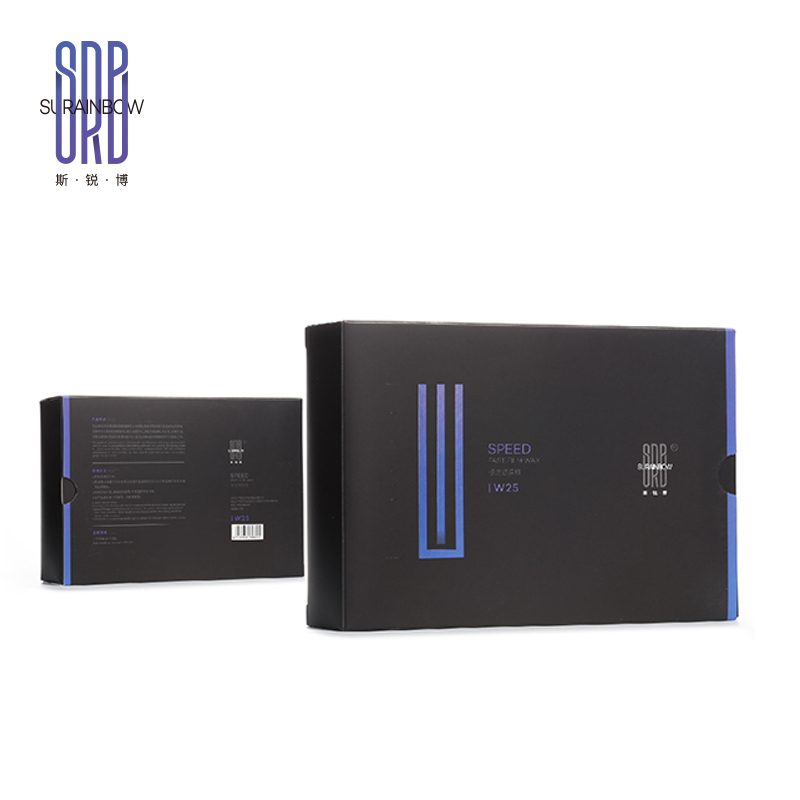
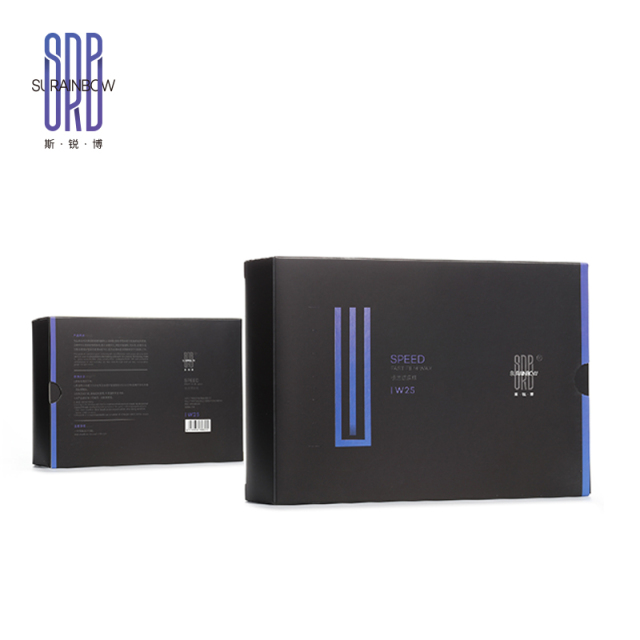
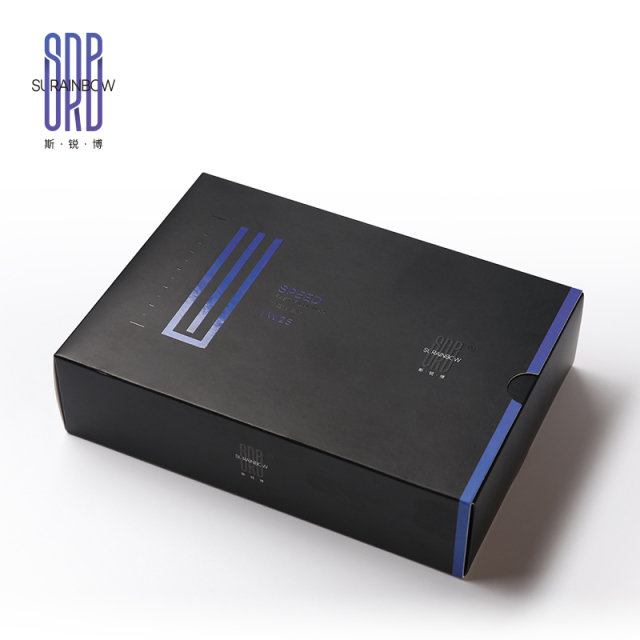
- Approve the packaging. Jar, closure, label artwork, barcode data, carton and shipping marks are proofed and signed off before the line starts.
- Release production. The approved sample and the signed packaging proof become the acceptance reference for the batch, and a mixed shipment is checked item by item against the rest of the car care supplies on the same order.
- Settle the balance and confirm shipment. Payment stage, shipping method, consignee details and carton marks are checked together, a missing detail here is what holds a container at the port.
- Collect the documents. The car wax manufacturer issues a safety data sheet, certificate of analysis, GHS label text, commercial invoice and packing list with the shipment; confirm the exact set for your market during quotation, since labelling and registration in the destination country stay with the importer.
- Send the brief before anything is mixed or printed: the product (this carnauba paste wax or a formulation of your own), the market you sell into, the sales channel, the label languages you need, and whether the jar carries the SURAINBOW name or yours. That single brief decides whether the order runs as a stock item or as a development project.
- Ask for a sample of the paste ahead of a bulk run. Sampling and testing can be arranged before production; what the sample covers and any courier arrangement are confirmed with your sales contact before dispatch, so nothing is assumed on either side.
- Test it the way a bay will use it rather than the way a lab would. Spread a thin film with a sponge block, time the 5 to 10 minute set at the temperature your shop actually works in, buff with a clean towel, and read the result in raking light on the colours you sell into, solid black and deep blue show the gloss, silver shows how cleanly it wipes off.
- Judge the water behaviour on that same panel after a rinse. Beading that stands up in tight drops is what separates a working coat from a glossy but flat film, and it is the fastest check a technician can repeat on a finished car.
- Develop the packaging alongside the paste. Jar, closure, label artwork, barcode data, carton and shipping marks are each proofed before the line starts, and label language is set by the destination market rather than by whatever the artwork happens to carry.
- Sign off the artwork proof. Once signed, that proof becomes the print reference for spelling, net content at 268 g, batch field and label position, which is what keeps a reprint next season aligned with the first run instead of drifting.
- Keep the sealed sample and the signed proof together. They form the acceptance reference for bulk production: each batch is compared against them for paste texture, colour and the way the film spreads and buffs, so a repeat order is a comparison rather than a fresh guess.
Scale & Supply Capability
SURAINBOW is run by Guangzhou Liangdian Automotive Supplies Co., Ltd., a factory-trade operation set up in Guangzhou in 2010 and now 50 people strong. We take OEM and ODM work and our R&D team develops to your specification. Buyers in the Middle East, the United States, Southeast Asia, Europe, the UK, Russia, Africa and Australia already order from us.
FAQ
Is this a wax or a polish?
It is a car wax polish in the sense that the paste carries polish resin alongside the carnauba, which keeps it workable and adds gloss. It does not cut paint: swirl removal and oxidation correction still need a compound before the wax goes on. Applied over a corrected panel, it protects the finish rather than changing it.
How long does one coat last?
There is no fixed number of weeks, because washing habits, parking and weather all move it. Use water behaviour as the gauge: while droplets still bead after a rinse, the coat is intact; once the panel wets out flat, it is time to top up. On a daily driver, the monthly rhythm keeps that layer continuous, which is what a long lasting car wax really means in practice.
Can it be applied over a ceramic coating?
Yes. A car care wax over a coating is a common way to add slickness and a warmer gloss on top of the coating's own protection. Clean and decontaminate the coated panel first, then apply the same thin film and buff it off. Expect the wax layer to wear before the coating does, and reapply when beading drops.
Will it stain plastic trim and rubber?
A thin film buffed off the panel leaves no white bloom on trim, but paste left to dry on textured plastic is awkward to lift, which is the usual complaint about a car wax applied too generously. Keep the applicator inside the panel edges and wipe any contact on trim straight away with a damp cloth. Masking a complex grille is faster than picking residue out of it later.
Can it be applied by machine?
By hand with a sponge block is the standard method and gives the most control over a thin, even film. A soft finishing pad on a dual-action machine at low speed can spread the paste over large flat panels, but keep the speed low and the pad clean, and buff the residue off by hand so the panel edges are not overworked.