Product Overview
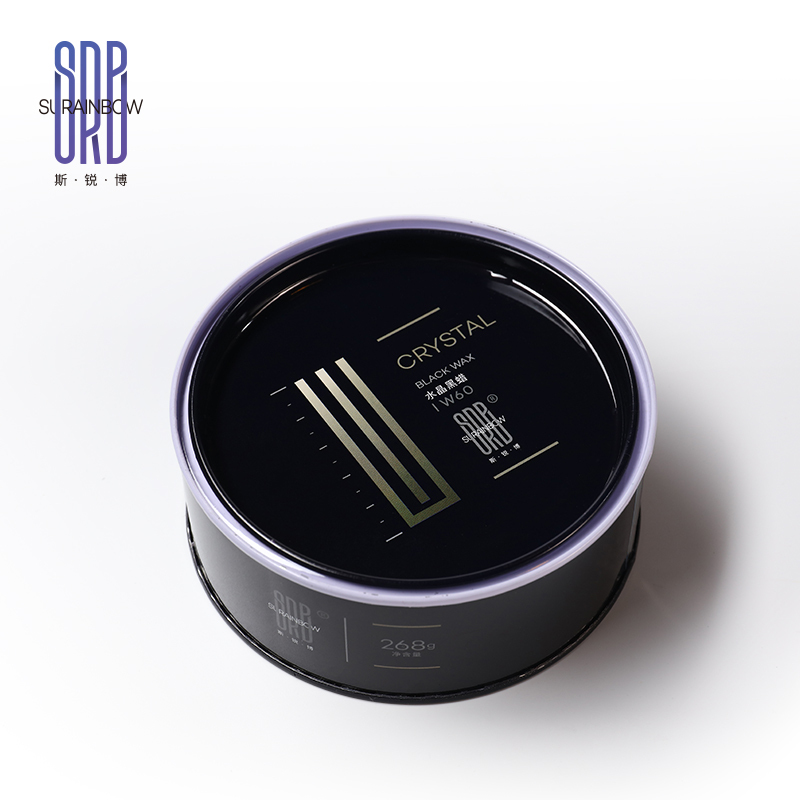
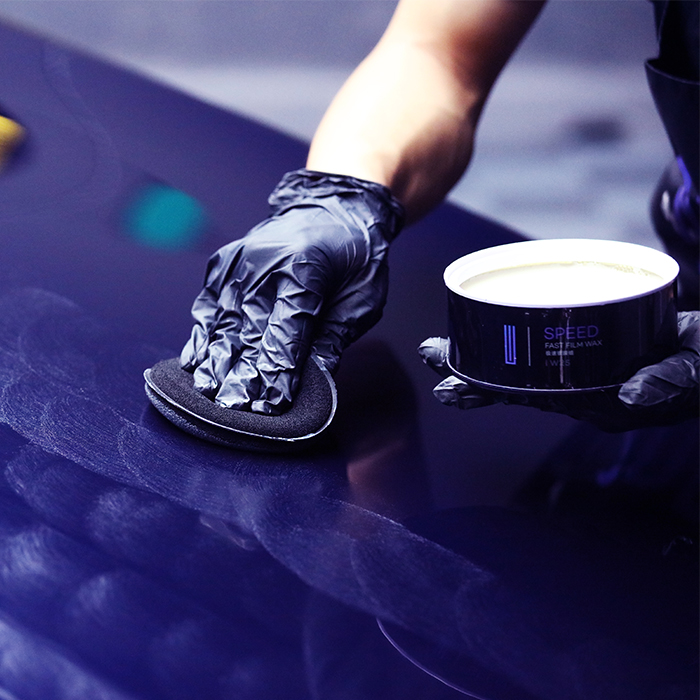
This is a black car wax, not a clear one that happens to be dark in the tin. Carnauba wax carries the film, a black colour-enhancing agent is worked through it, and the formula also contains a special acrylic polymer and silicone. Worked into a panel by hand and wiped off, it fills the look of the fine marking that turns black paint grey, deepens the colour underneath and leaves a gloss sitting on top of it. The film left behind is hydrophobic. Water stands in tight beads and runs off the panel instead of sheeting flat, and the paint reads darker in shade and sharper in direct light at the same time — which is usually what a black-car owner is asking for when they ask for a wax. Detailing bays, dealership prep and valeting operations that handle a lot of black and dark cars use it as the finishing step, and distributors carry it alongside a general car care wax because black paint is the finish their customers complain about most. Nothing about the process is specialised: a sponge block, a short wait and a clean towel.
Black Pigment & Filling Action
- Black colour-enhancing agent. The pigment is what makes this a black car wax rather than a clear one — it deepens the colour instead of laying a neutral shine over it, so faded black and dark grey panels come back to their own tone rather than to a lighter, milky gloss.
- Filling action. The film levels over light towel marks and fine wash marring so their pale edges stop catching the light. It fills; it does not cut. Scratches deep enough to feel with a fingernail stay where they are until a car polish wax step takes them out.
- Acrylic polymer. The polymer lays the pigment down as an even film across large flat panels, which is where a pigment wax usually fails: a bonnet or roof that streaks where the applicator passed looks worse than an unwaxed one.
- Silicone. Silicone gives the wipe-off its slip and adds to the gloss, and it helps the cured film shed water rather than hold it in sheets.
- Carnauba base. The wax body sets the working character: it goes on as a thin paste, firms up within minutes and wipes away without dusting or crumbling.
- Where it fits in a job. It is a finishing step, so it comes after washing and after any correction, never instead of them.
- Which paints it suits. Black first, and the near-blacks — dark blue, dark grey, dark green — where the pigment still reads as depth. On white, silver or red it has nothing to add and can pull the colour dull; that is a job for a clear car care wax.
Application Conditions
More wax jobs fail in the bay than in the tin. A wax for car paint is only as good as the panel it lands on, so start with the conditions: shade or indoors, out of direct sunlight, and a panel that feels cool to the back of your hand. A bonnet that has been sitting in the sun, or a roof straight after a run, will be hot enough to flash the film before it can be spread evenly, and a flashed film is hard to wipe back to a clean finish.
Let the car cool after the wash and make sure it is genuinely dry. Water sitting in seams, under the boot lid, around badges or behind the mirrors lifts the film as you work across it and leaves a streaky edge that shows badly on black.
The film is ready to wipe within minutes, and a hot panel shortens that window to almost nothing, which is why the temperature check matters more than the clock. Work one panel at a time and top down so you never reach across a finished surface. Keep dust and wind out of the bay if you can — airborne grit settles into the wet film and shows up as a speckled finish on a dark panel.
On an unfamiliar paint system, a respray or a freshly wrapped car, do one panel first and look at it in daylight before committing to the whole body. Ask the paint shop when a new refinish can be waxed; the film should not go on before the finish has fully settled.
In a busy bay the car care wax step is the one that gets rushed, and black paint shows every shortcut taken.
Step-by-Step Application
- Wash the car properly and dry it. This is a wax for car paint, not a cleaner wax, so the surface has to be clean before it goes on.
- Feel the surface. If it is rough or grainy under your hand, decontaminate and dry it before you go further — wax over bonded contamination seals it in and the finish fails early.
- Correct first if correction is needed. A car wax and polish sequence that removes defects comes before this one; the wax only finishes what the polish leaves behind.
- Load the sponge block lightly. A thin, even film wipes off cleanly; a heavy one smears and takes twice as long to remove.
- Apply panel by panel, top down, in thin overlapping passes, working the edges and around badges as you go.
- Leave it to set until it wipes off clear instead of smearing. A fingertip test on the panel tells you this better than watching a clock.
- Remove with a clean towel or non-woven cotton, turning and refolding the towel as it loads, then make a second pass with a clean face of the towel.
- Look at the panel at a low angle in daylight and finish the edges, shut lines and the area around badges where residue collects. A second thin coat is only worth it on a panel that still looks uneven.
Specifications
| Item number | No. W60 |
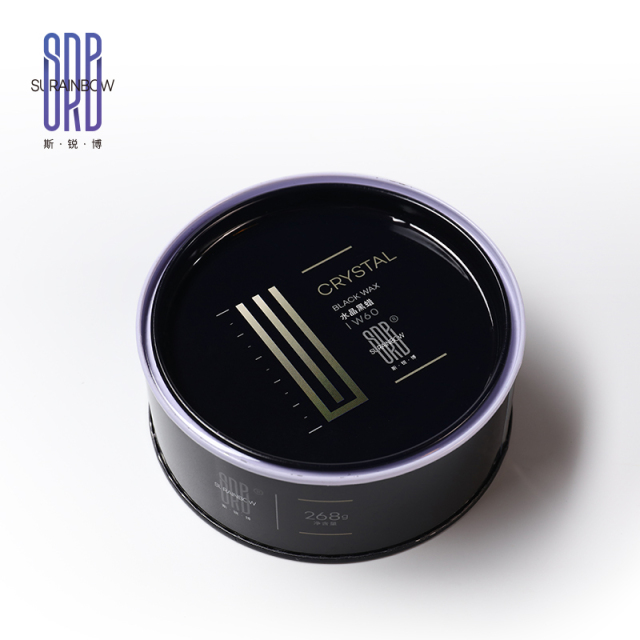
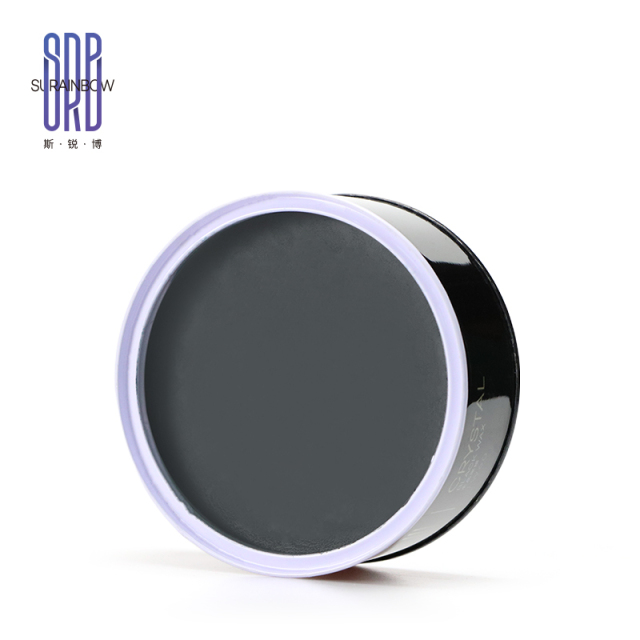
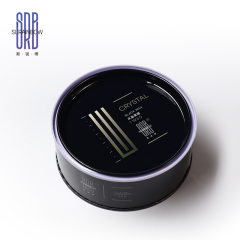
| Format | Paste wax in a round tin |
| Net weight | 268 g per box |
| Coverage | Around 10-16 cars per box |
| Setting time before wipe-off | 5-10 minutes |
| Application | By hand with a sponge block |
| Removal | Clean towel or non-woven cotton |
| Key ingredients | Carnauba wax, black colour-enhancing agent, acrylic polymer, silicone |
| Well-suited to | Black and dark paint finishes |
| Finish | Deep colour with a hydrophobic gloss |
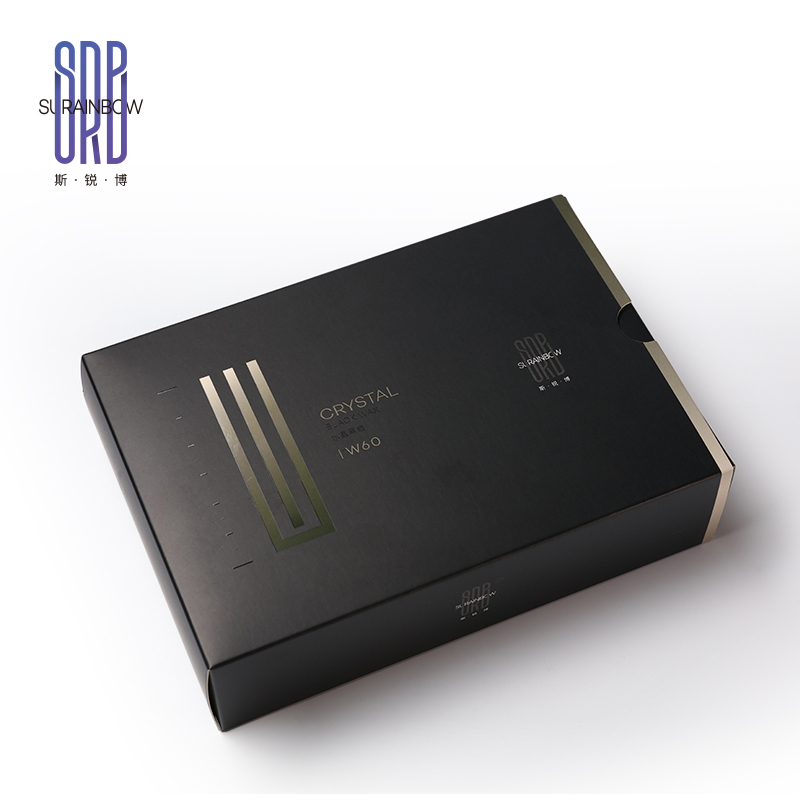
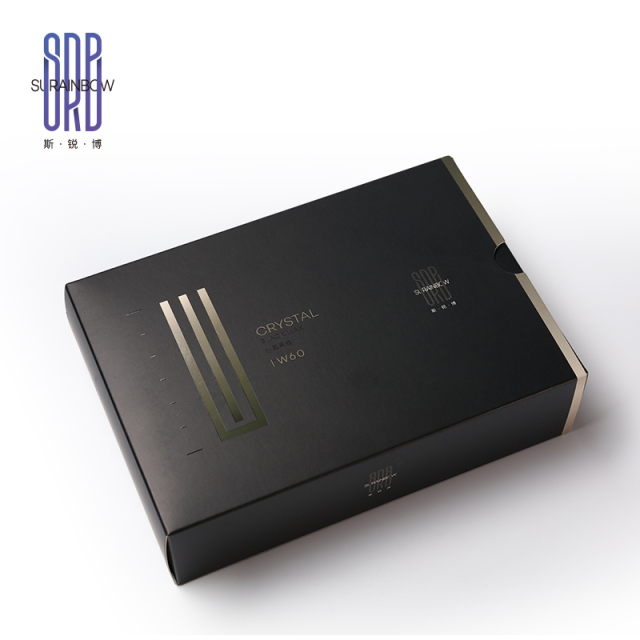
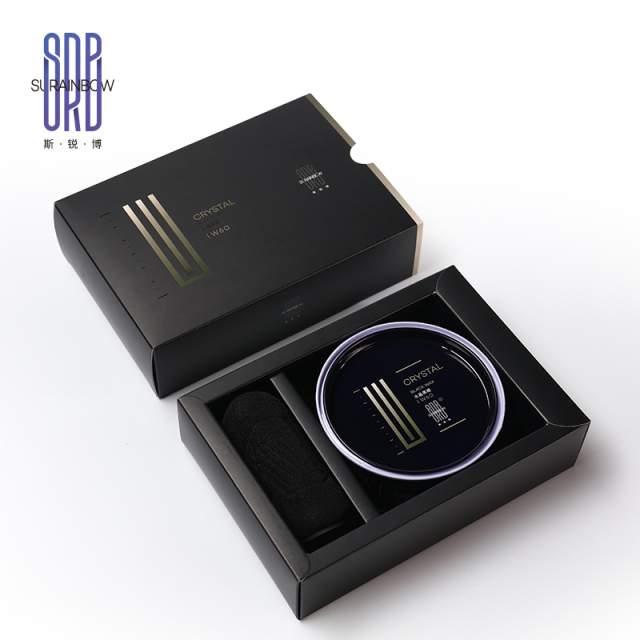
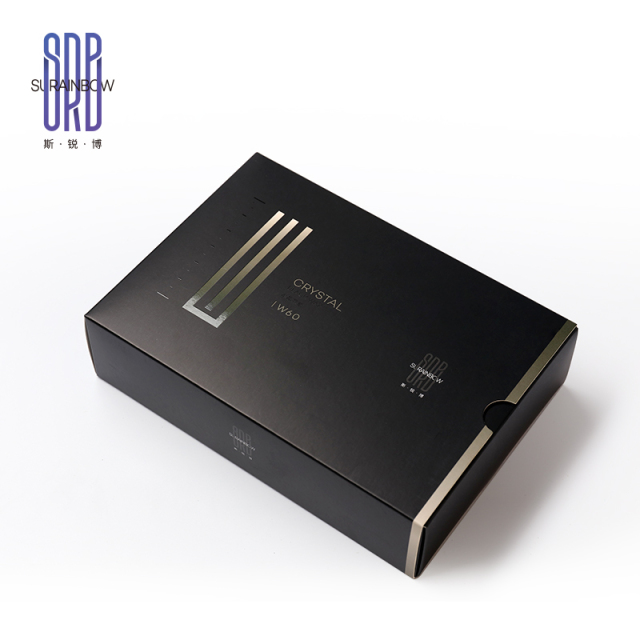
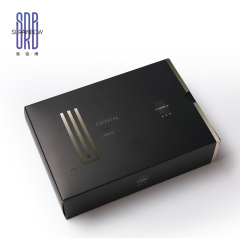
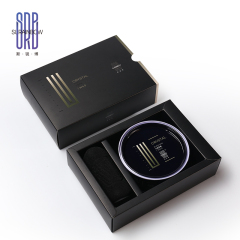
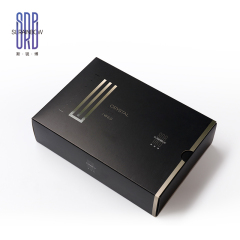
| Packaging | Cardboard box with the round tin inside |
Maintenance Rhythm
- One coat a month. We suggest a fresh coat of car wax once a month, which keeps the film ahead of wear instead of trying to rebuild it after the paint has already gone dull.
- Wear panels first. The bonnet leading edge, front bumper, mirror caps and the recesses around the door handles lose the layer long before the roof does; a top-up on those four areas buys time between full coats.
- Read the water. While the paint beads tightly the layer is doing its job. When water starts to lie in flat sheets, the film has thinned and the next coat is due.
- Between coats. Wash with a wax-safe shampoo and leave the polish alone — a monthly car wax and polish pass on healthy paint is more cost-effective than a correction later, and it keeps the panels in a state where a light finishing step is all they ever need.
- Daily driver or garaged car. A car parked outside and driven every day will want its next coat sooner than a weekend car kept under cover, so let the water behaviour rather than the calendar set the date.
- Before a handover. A fresh thin coat on the morning of a delivery, a show or a photo shoot is the most cost-effective way to make black paint present a uniform, deep finish.
- Planning a bay or a shelf. A monthly cycle sets the rhythm: a bay can schedule its regulars around it, and a wax for car paint that a customer re-buys every month is an easy line to keep in stock next to the rest of the car care supplies.
Tools, Handling & Storage
Applicators matter more than most shops expect. A foam applicator pad or a sponge block does the job, and the pad used for this wax should be kept for wax only — a pad that has carried compound or a cleaner holds grit that will mark a black panel as surely as a dirty towel. Wash and dry pads between jobs rather than bagging them wet.
For removal, use a clean microfibre towel or non-woven cotton folded into quarters, so there is always a clean face to turn to, and keep a second towel for the final pass. On a black car the last pass is the one that shows, so it should be made with a towel that has not already been loaded with residue.
Between uses, close the tin properly. Grit and water that get into an open tin end up back on the paint through the applicator, and the paste performs as intended when it stays at the consistency you approved. Store it closed and out of direct sunlight rather than on a sunny shelf or in a hot vehicle.
Keep the wax off textured black plastic, rubber seals, matte finishes and glass, and wipe anything that touches them while it is still wet rather than letting it dry in the grain.
Applied by hand as described, this car wax polish leaves a thin, even film with no dust to clear out of shut lines afterwards, which matters in a bay that has to hand the car back the same day. As a car wax manufacturer we also cover the matched consumables: our clean tools range includes applicator pads and microfibre towels, so the pad and the wax can arrive together.
Sampling & Packaging Approval
- Send the brief: which product, target market, sales channel, pack size, label language and expected quantity, plus any other car care supplies you want reviewed in the same project.
- Take a sample and test it on your own panels, alongside the polish and car polish wax steps you already run, then record the conditions and the result you are happy with — that record becomes the reference for everything that follows.
- Approve and seal the sample. Once the specification, test criteria and allowed tolerances are written down, a retained approved sample makes the bulk order comparable.
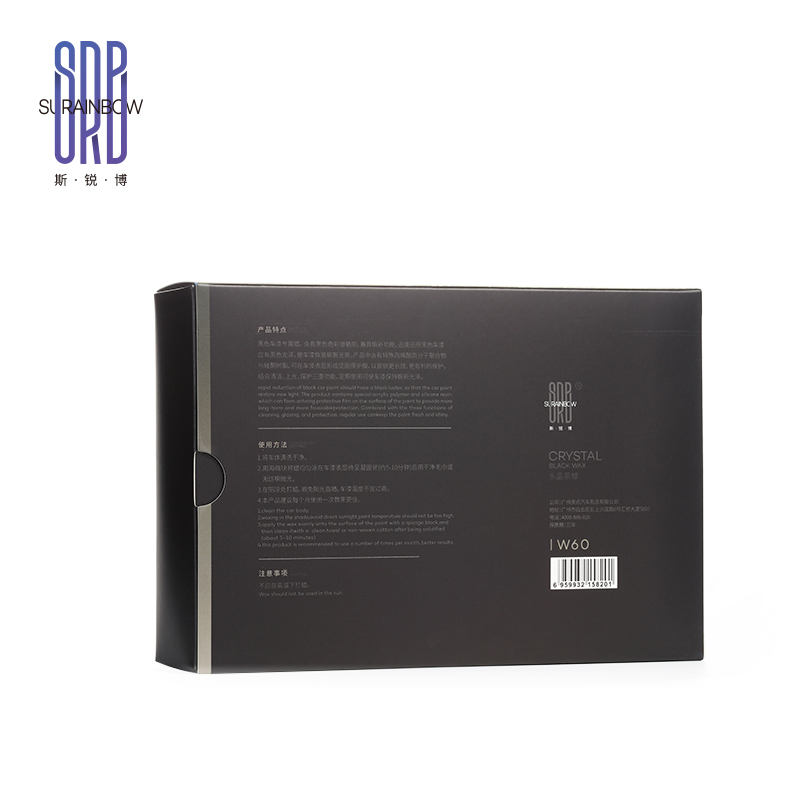
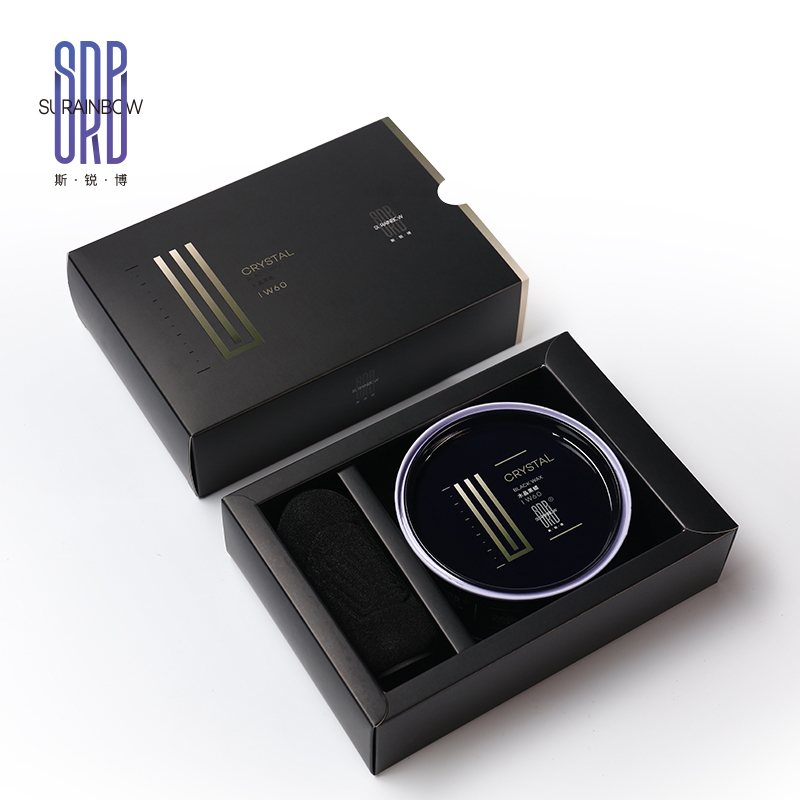
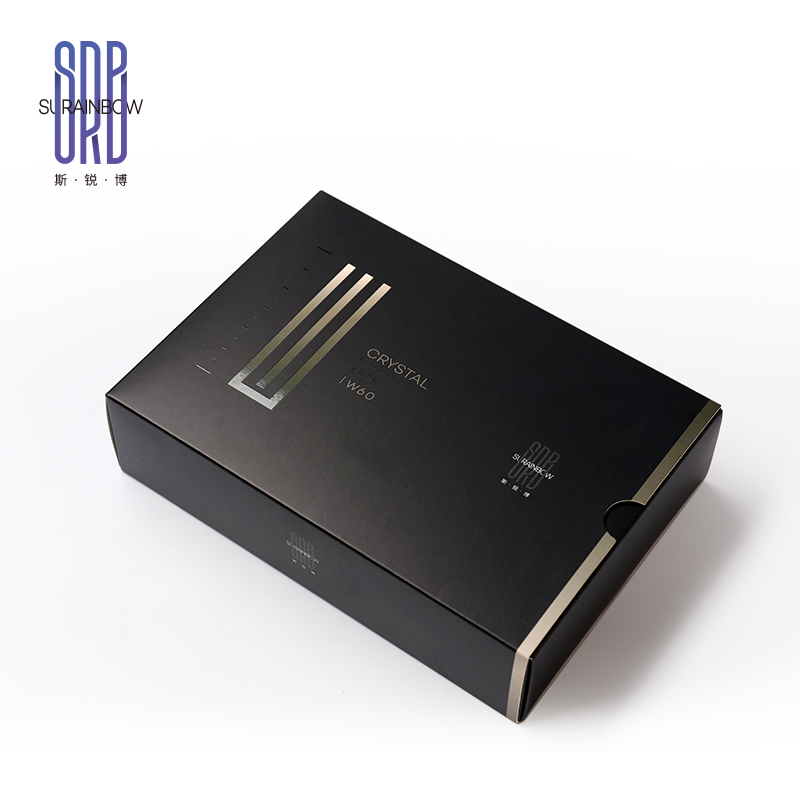
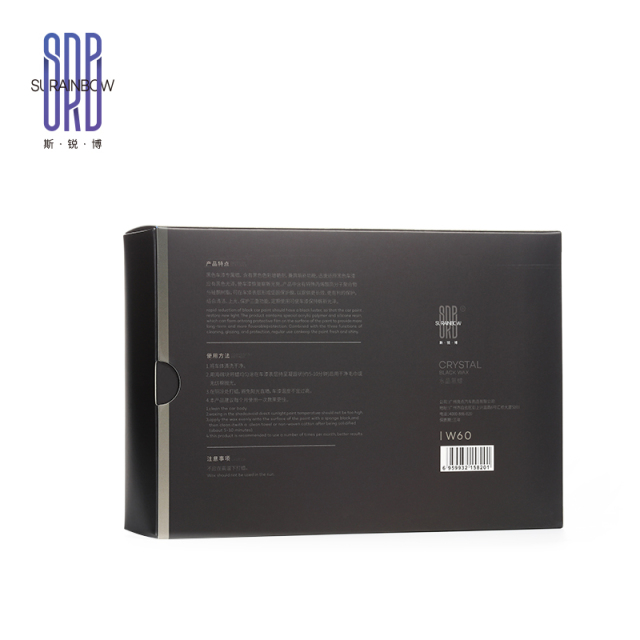
- Work through packaging design and proofing. The tin, the printed carton, the label artwork, barcode and carton marks are reviewed together rather than one at a time; in the gift presentation the box carries the tin with a polishing cloth.
- Review the label for the destination market. We can check labels around the product and hazard communication, but the importer confirms local registration, language and claims before selling.
- Confirm the approved version in writing before bulk release, so production and packing run against one version.
- Bulk production follows the approved reference, with batch records and retained samples kept for later comparison — the part that matters when a car wax wholesale order ships in volume.
Ordering & Delivery
- Stock and shipping. In stock and fast shipping. SURAINBOW-branded items are held as stock; production timing for buyer-branded orders is confirmed with the quotation.
- Minimum order quantity. MOQ depends on the product, the pack and how much customisation is involved, so it is confirmed on the quotation rather than guessed up front.
- Payment. Available methods include credit or debit cards, PayPal, Apple Pay, Google Pay and Afterpay/Clearpay; the accepted method, currency and schedule are confirmed on the commercial offer.
- Documents. MSDS/SDS, CoA, GHS label information, commercial invoice, packing list and customs documents can be prepared — tell us at quotation which set your market needs.
- Shipping methods. DHL, UPS, FedEx, LCL, 20FT, 40GP and 40HQ containers, and DDP by sea, air, rail or truck, depending on destination, volume and the agreed Incoterm.
- Packing and marks. Carton marks, pack specification and label version are checked before dispatch; mixed orders are checked item by item and then consolidated for the shipment.
- After-sales and traceability. If a shipment arrives with leakage, a shortage or a quality concern, send the order reference, batch number, affected quantity and photos; the batch is reviewed against the approved sample and retained records.
- Private label. As a car wax manufacturer we produce under buyer brands as well as SURAINBOW, from label and carton artwork through to the finished carton.
- Wholesale programmes. Distributors and importers ordering across the range can combine this wax with shampoos, compounds and other car care supplies in one shipment; ask for the car wax wholesale terms along with your product list.
Scale & Supply Capability
SURAINBOW is run by Guangzhou Liangdian Automotive Supplies Co., Ltd., a factory-trade operation set up in Guangzhou in 2010 and now 50 people strong. Sixteen years in car care have given us a one-stop supply position: our own SURAINBOW lines are held in stock for fast shipping, and an associate factory with modern production equipment and an established quality management system keeps replenishment moving. We take OEM and ODM work and our R&D team develops to your specification. Buyers in the Middle East, the United States, Southeast Asia, Europe, the UK, Russia, Africa and Australia already order from us.
FAQ
Does a black car wax dye or stain the paint?
No. The pigment is held in the wax film on top of the clear coat rather than going into the paint, and it leaves with the film as a black car wax wears. A panel that is polished back or re-waxed shows no tint underneath, which is why the colour deepens after a coat and returns to its previous tone as the layer thins.
Can it be used on matte or satin black paint?
No. A gloss car wax builds a film with a sheen on it, and matte or satin finishes are made to have neither. Waxes and gloss sealants belong on gloss paint; on matte black, clean and protect with products made for that finish.
Will it remove swirl marks, or only fill them?
It fills. Light towel marks and wash marring lose their pale edge while the film is on the panel, but nothing is removed. Marks deep enough to catch a fingernail need a compound and car polish wax pass first; this wax goes on afterwards as the finishing layer.
Can it be applied by machine?
By hand with a sponge block is the documented method, and the one that gives the most predictable result with a car wax polish on a dark panel. A machine will spread the paste faster across a bonnet or roof, but the film sets quickly and a pad can push residue into shut lines and around badges. Test one panel before running a whole car.
Can it be used over a ceramic coating or a sealant?
It can, once the coating or sealant has fully cured. Many shops use a wax for car paint as a seasonal top-up over a coated car, though the wax then becomes the top layer and the surface behaves like wax rather than like the coating underneath. Check it against the specific system you install.
Does the old layer have to be stripped before the next coat?
No. Once the paint is clean and dry, a fresh thin coat goes over the previous one. Strip back only if the surface feels rough, if water has stopped behaving, or if the paint is being corrected — in that case a car wax and polish sequence starts again from clean, bare paint.
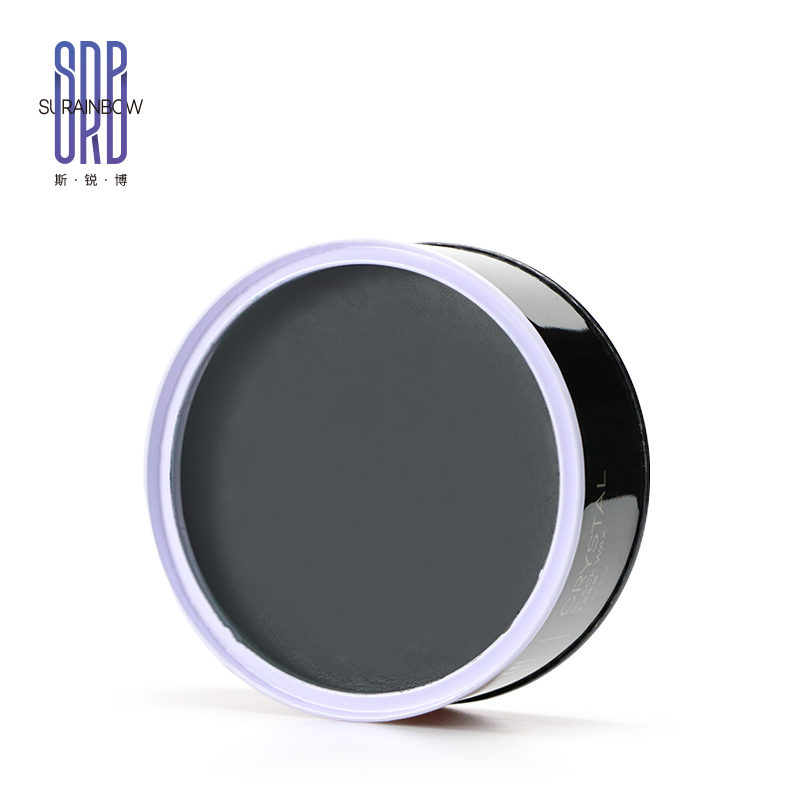
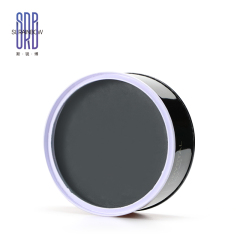
Why does the wax look dark grey in the tin?
The paste reads dark grey rather than jet black because the pigment is carried in the wax body instead of sitting on the surface of it. On the panel it is the film that shows the colour, and the depth builds with the thin, even application the wax is designed for.