Facebook
  • Iron Powder Remover safety car paint wheel hub clean
  • Iron Powder Remover safety car paint wheel hub clean
  • Iron Powder Remover safety car paint wheel hub clean
  • Iron Powder Remover safety car paint wheel hub clean
  • Iron Powder Remover safety car paint wheel hub clean
  • Iron Powder Remover safety car paint wheel hub clean
  • Iron Powder Remover safety car paint wheel hub clean
  • Iron Powder Remover safety car paint wheel hub clean
  • Iron Powder Remover safety car paint wheel hub clean
  • Iron Powder Remover safety car paint wheel hub clean

Iron Powder Remover safety car paint wheel hub clean

No.C89
C-89 iron powder remover breaks down brake dust, paint iron and rust on car paint, metal and wheel hubs; the colour indicator shows reaction timing.
  • Iron Powder Remover safety car paint wheel hub clean
  • Iron Powder Remover safety car paint wheel hub clean
  • Iron Powder Remover safety car paint wheel hub clean
  • Iron Powder Remover safety car paint wheel hub clean
  • Iron Powder Remover safety car paint wheel hub clean

Description

Product Overview

C-89 is an iron powder remover built for the moment a washed car still feels rough under the hand. The contamination that causes it sits below the surface of the clear coat, so shampoo alone never clears it. This liquid is sprayed on after the pre-rinse, left to react, and rinsed away together with the iron it has broken down — on car paint, bare metal and wheel hubs.

Used as a car detailing cleaner at the decontamination stage, it goes onto a panel that is already free of loose dirt, so the chemistry has bonded contamination to work on and the rinse carries the reacted material away in one pass.

We have produced this chemistry in Guangzhou since 2010. As one of the car cleaning products manufacturers supplying importers, distributors and detailing chains, we fill and label it in our own plant and ship it under the SURAINBOW brand.

Surainbow is a car wax manufacturer as much as a chemical producer, and waxes, coatings, shampoos, compounds and the tools that apply them all leave the same site. A buyer assembling a full decontamination range can take the iron remover, the clay, the car paint polish and the protection step from one supplier instead of four.

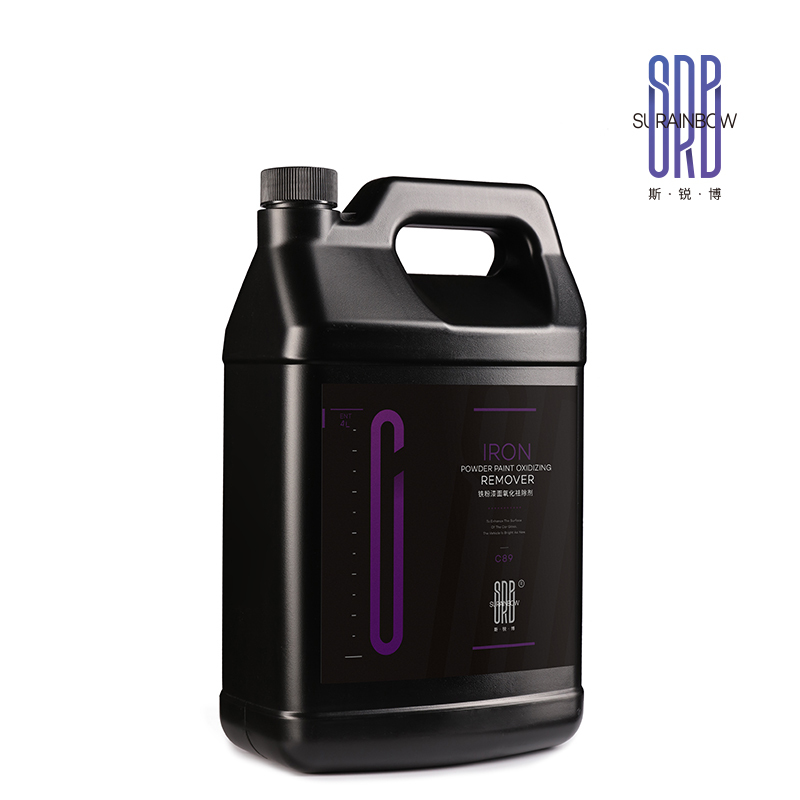
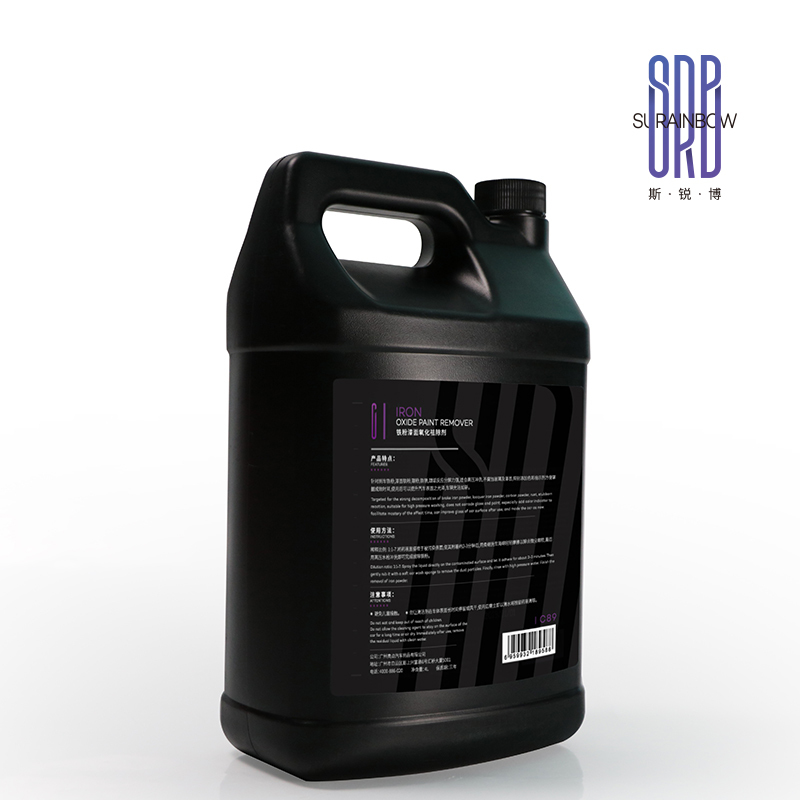
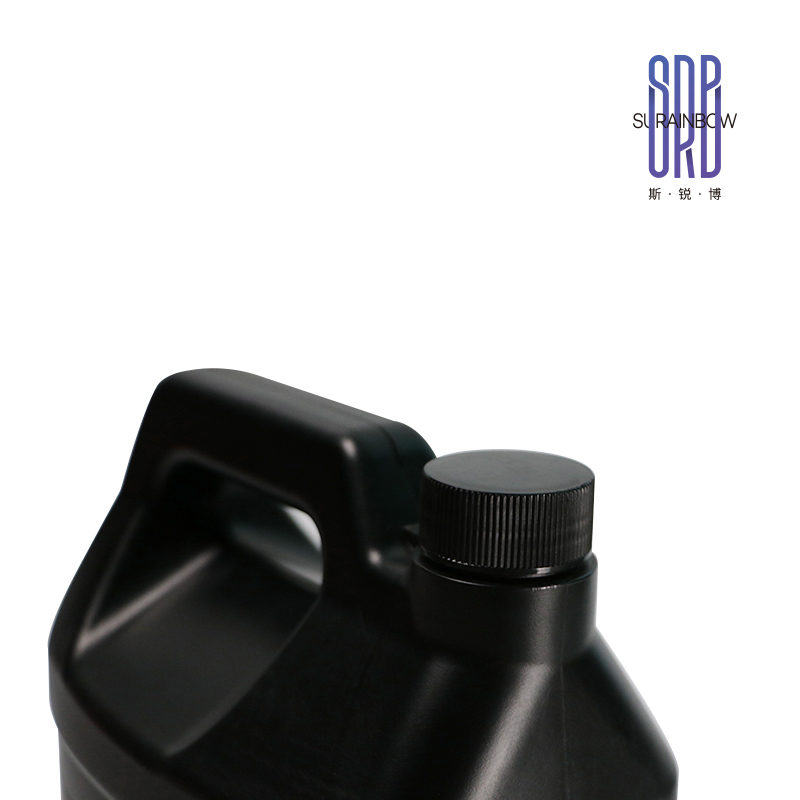
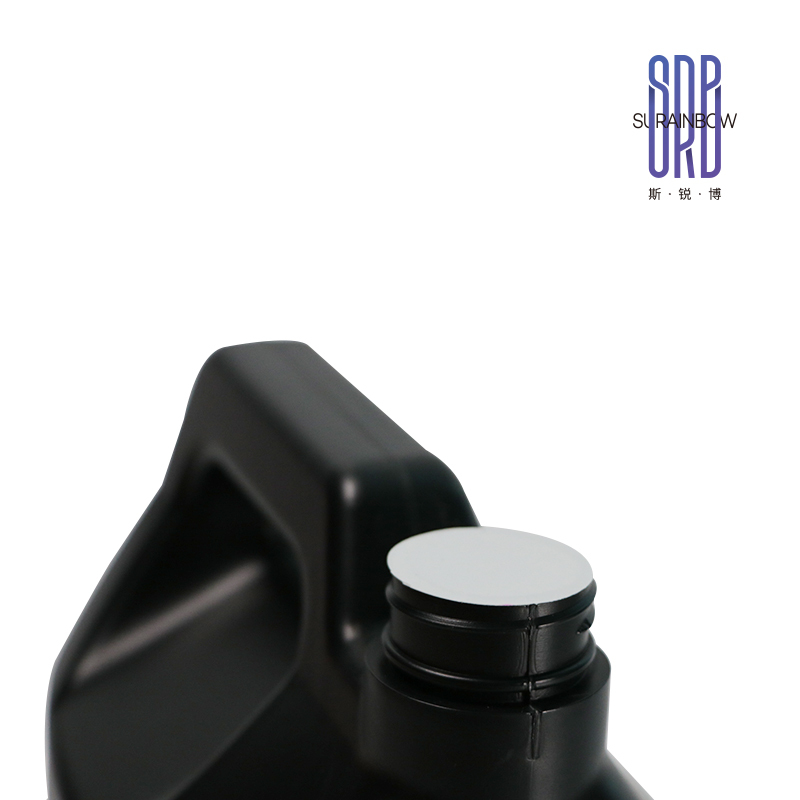
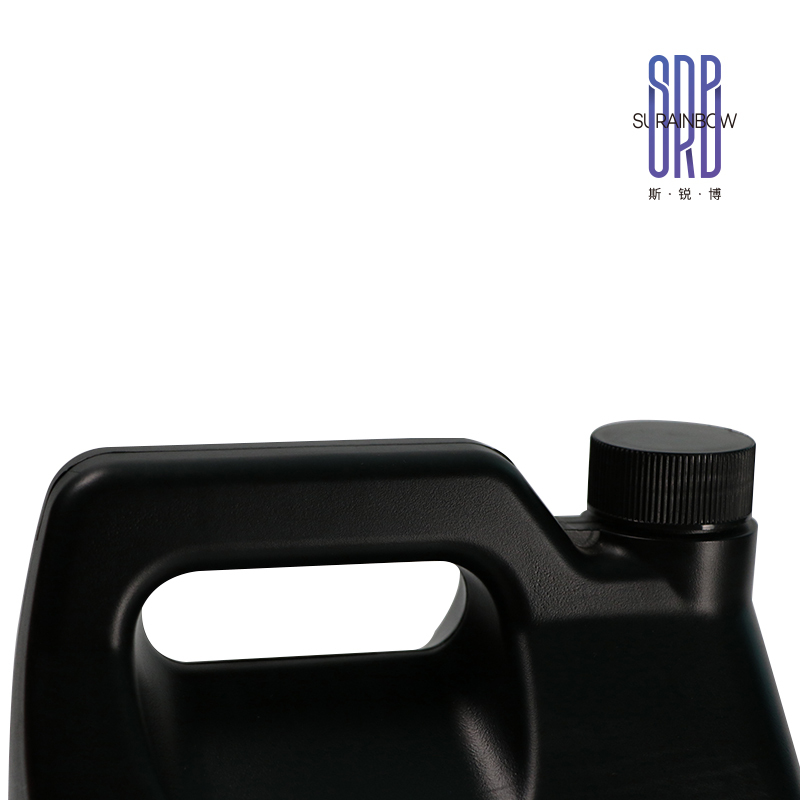
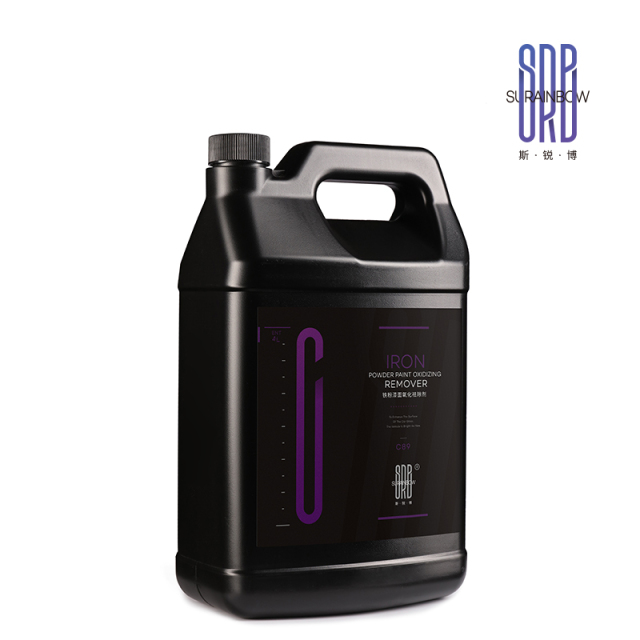
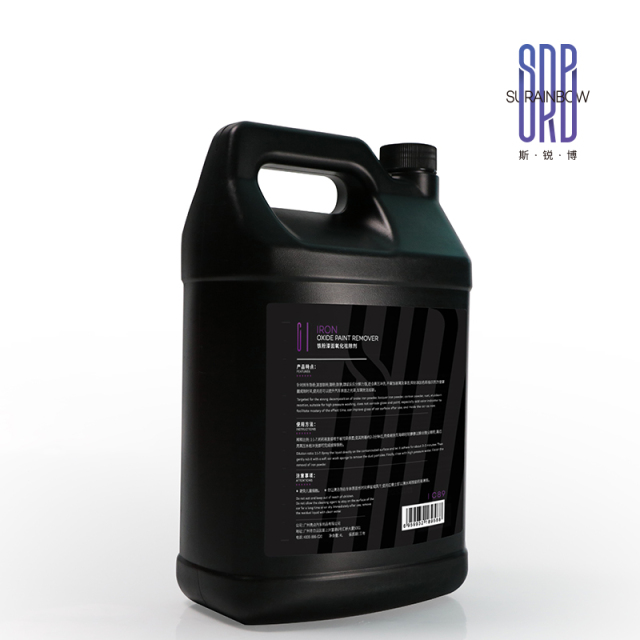
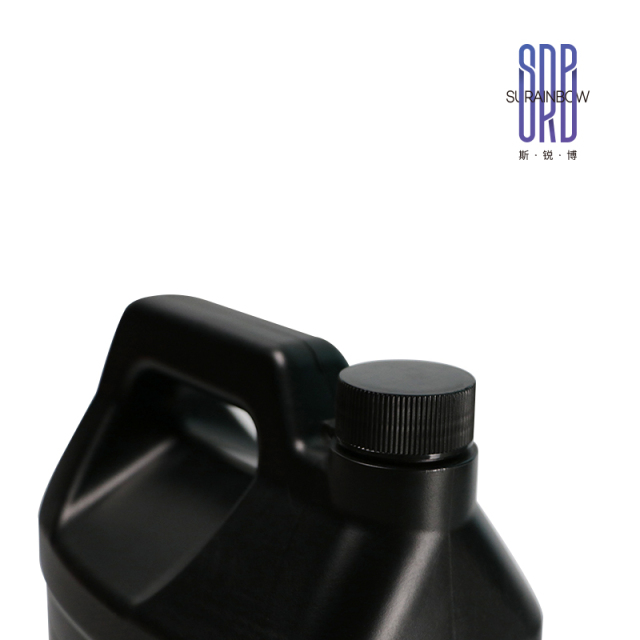
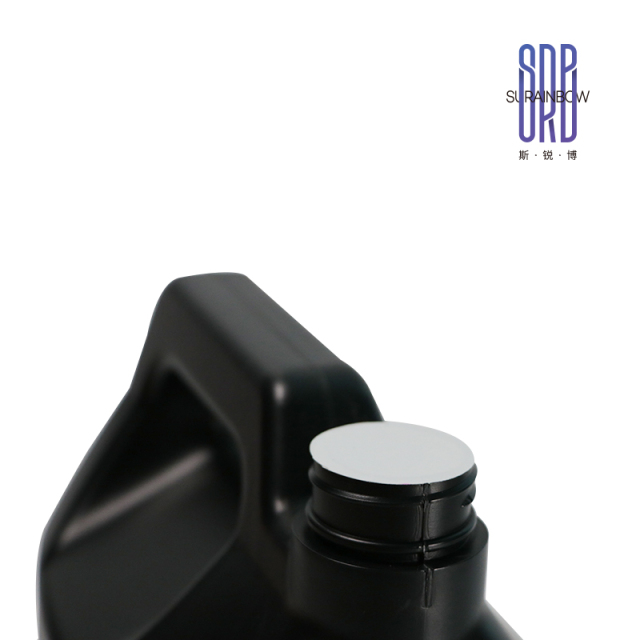
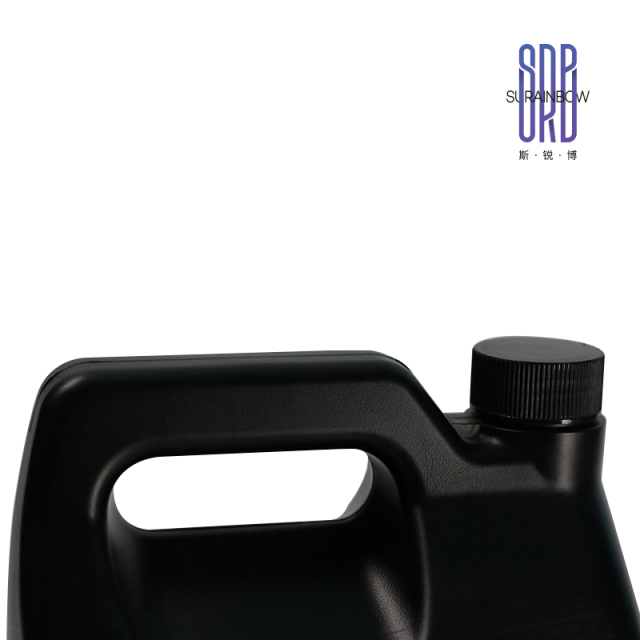
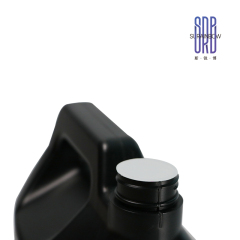
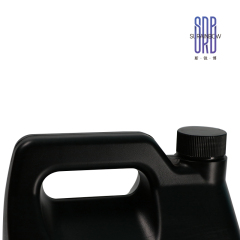
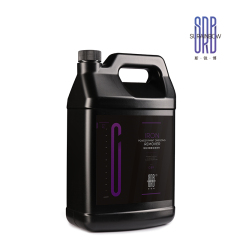
The concentrate ships in a black plastic jug with an integrated handle and a ribbed screw cap. The handle makes it easy to carry from the store room to the bay, the cap seals firmly enough for road and sea freight, and the rear label carries the usage sequence and the cautions for the technician who picks it up.

Black jug of C-89 iron powder paint oxidizing remover, purple label

Key Features

  • Brake iron powder, paint iron powder, carbon powder and rust: the four deposits the formula is built to break down, including the stubborn reacted layer that survives a normal wash.
  • Stated as non-corrosive to glass and paint, so a technician can spray across a panel and its glass without masking the car first.
  • Suitable for high-pressure rinsing: once the reaction is finished, the residue lifts under a pressure washer instead of being scrubbed off by hand.
  • A colour indicator built into the liquid shows when the work is done, so the step is timed by what the panel is doing rather than by a stopwatch.
  • Brighter paint after the rinse — the surface is left looking cleaner and glossier, which gives a better base for wax, sealant or a ceramic coating on car.
  • A concentrate made for a wash bay, and part of a wider car care products range that covers the wash, the polish and the protection either side of it.
  • Pairs with the wash stage rather than replacing it: the car wash cleaner takes off the loose dirt, and this step follows on the rinsed panel to deal with what is bonded to the paint.
  • Works from the same sprayer stock as the rest of the car care supplies in the bay — a trigger bottle, a sponge and a pressure washer cover the whole job.

Applications & Surfaces

On a full detail this is the step between the wash and the clay. The car is washed and rinsed, the remover goes on, and the panel is rinsed clean before any contact work begins. Shops on a fixed detail menu write it into the decontamination stage so the technician runs it by routine instead of judging each car by eye.

Before a ceramic coating on car, the paint has to be bare. Iron left in the clear coat sits under the coating as a speck in the gloss and can become a point where the coating fails later. Run the remover first, rinse, then check the panel under a detailing light before the coating goes on.

Body shops and correction bays use it ahead of a car paint polish. A pad that picks up iron particles drags grit across the panel and clogs the foam, so removing the fallout first keeps the polishing stage about the paint rather than about what is sitting on top of it.

Dealers and trade-in prep get the quickest return. A car that has spent a season near a railway line or an industrial estate usually brightens noticeably after one pass, which does more for its appearance than another wash will.

Metal and wheel hubs take the same treatment: brake dust on hubs, arches and lower sills responds to the same spray-and-rinse routine. For a dedicated wheel and rim programme our wheel and hub cleaner is the better fit; this liquid is the paint-side step that also handles the metal around it.

Because we are one of the car cleaning products manufacturers working directly with trade buyers, the technical answers on surfaces, timing and compatibility come from the team that makes the batch rather than from a catalogue desk.

Handling & Surface Safety

  • Wear nitrile gloves and safety glasses when decanting and spraying, and keep the bay ventilated with doors open or extraction running.
  • Work on cool panels out of direct sun. A hot bonnet drives the reaction too fast and the edges dry before the rinse reaches them.
  • Never let the product dry on the surface. If a panel edge starts to dry, mist it with clean water or rinse that panel early — dried product is far harder to remove cleanly.
  • Label the sprayer clearly. When a shelf holds car care supplies in identical bottle designs, mark the iron remover so it is never picked up in place of a shampoo or a trim cleaner.
  • Do not top up a bottle that held a different car wash cleaner, and never mix two products in one sprayer. Keep a dedicated bottle for this chemistry.
  • Flush the trigger with clean water after the job and store the sprayer empty so the nozzle does not clog between uses.
  • Test an inconspicuous area of unpainted trim and rubber before spraying nearby; if product lands on trim, rinse it promptly rather than letting it dry.

Dilution & Application Steps

  1. Dilute 1:3 — one part concentrate to three parts water. It is a car detailing cleaner concentrate, so the water carries the chemistry across the panel. Mix only what the job needs and stir before filling.
  2. Fill an acid-resistant trigger sprayer. The diluted product is made to be applied through a spray bottle, not poured straight onto the paint.
  3. Work on a cool, shaded panel straight after the car wash cleaner has been rinsed off, so the surface is still wet when the product lands on it.
  4. Spray an even, overlapping coat over the contaminated surface and leave it in place for 2–3 minutes.
  5. Gently rub with a sponge to release the fine dust particles the reaction has loosened from the paint.
  6. Rinse with high-pressure water, working top down and keeping the water moving so nothing is left to dry on the panel.
  7. Finish with a pneumatic grinder and waxing machine pass to complete the removal and bring the gloss back before the protection step.

Specifications

BrandSURAINBOW
ModelC-89
Product typeIron powder paint oxidizing remover
AppearanceDeep pink liquid
FormLiquid concentrate, diluted before use
Net weight3.7 kg
SurfacesCar paint, metal and wheel hubs
ApplicationCar body cleaning
Carton pack4 jugs per carton
Shelf life3 years
OriginGuangdong, China
OEMAccepted
DocumentationMSDS

Samples, Packaging & Batch Approval

  1. Send the brief: pack size, label language, destination market and the surfaces your customers work on. That is what sets the version quoted, and it works the same whether you are adding one car care products line or a full decontamination range. Test a sample on your own work — the paints, glass and hubs your customers actually bring in — and record the conditions and the result you are willing to accept.
  2. Seal the approved sample. It becomes the reference for the bulk batch, so appearance, colour and performance are compared against it rather than against a written description.
  3. Proof the packaging.
  4. Bottle, cap, front and rear label, carton and shipping marks are approved as artwork before production, and the rear label is checked line by line because that is where the features, usage and cautions have to be right for the market.
  5. Sign off the acceptance criteria in writing so both sides work to the same tolerances, test points and packaging version.
  6. Run the bulk order against that reference, with batch records and retained samples kept for later comparison.

Ordering & Delivery

Confirm the fill size you want quoted with your sales contact, and build your pallet and shelf planning around that carton count. In stock and fast shipping applies to the lines we hold in the Guangzhou warehouse, and this is one of them — confirm the current stock position and the dispatch date when the order is placed. Payment methods can include credit or debit card, PayPal, Apple Pay, Google Pay and Afterpay/Clearpay, depending on the order and the payment stage. The balance is settled before shipment; confirm the accepted method, currency and schedule on the commercial offer rather than assuming a default. As one of the car cleaning products manufacturers shipping from Guangzhou, we prepare the export set with the goods: MSDS travels with the product, and a CoA, GHS-style label information, commercial invoice, packing list and customs paperwork can be prepared for the shipment. Tell us the destination market at quotation stage so the document list matches what your importer will be asked for; local registration and label wording stay with the importer. Mixed orders are welcome. Car care products from across the range, polishing pads, mitts and wash-bay tools can travel on one consolidated shipment, which is how most of our distributors buy. For a distributor building car care supplies for several shops, that means one booking, one document set and one carton list instead of three suppliers to chase. Shipping can be arranged by courier, by LCL or on a full container, and by sea, air, rail or truck DDP depending on the market — confirm the method and the Incoterm you want with the offer. If a carton arrives with leakage, a shortage or a quality concern, report it with the order reference, the batch number, the affected quantity and photos or a short video. Packaging and shortage issues are reviewed within 7 days of receipt and product quality concerns within 30 days, checked against the batch records and the approved reference.

Scale & Supply Capability

SURAINBOW is run by Guangzhou Liangdian Automotive Supplies Co., Ltd., a factory-trade operation set up in Guangzhou in 2010 and now 50 people strong. Sixteen years in car care have given us a one-stop supply position: our own SURAINBOW lines are held in stock for fast shipping, and an associate factory with modern production equipment and an established quality management system keeps replenishment moving. We take OEM and ODM work and our R&D team develops to your specification. Buyers in the Middle East, the United States, Southeast Asia, Europe, the UK, Russia, Africa and Australia already order from us.

FAQ

Does this replace a clay bar?

No — the two do different jobs, and most shops use both. This car detailing cleaner breaks the iron down chemically so it can be rinsed away; a clay bar then pulls off what is still bonded to the paint. Running the liquid first means the clay has far less to remove and stays clean for longer.

Can it be used before a ceramic coating on car?

Yes, and that is where it earns its place. A coating bonds to bare paint, and iron left in the clear coat shows up as a speck under the gloss or as a point where the coating fails later. Apply, rinse, then check the panel under a detailing light before the coating goes on. If the paint still feels rough, a clay pass follows.

Do I still need a car paint polish afterwards?

The usage sequence ends with a pneumatic grinder and waxing machine pass, so on a correction job the answer is usually yes. The remover deals with contamination below the surface; the polish deals with the surface itself. On a car that only needed decontamination, a rinse and a protection step can be enough.

Will it stain plastic trim or rubber?

Test an inconspicuous area of the trim first. Unpainted plastic and rubber vary so much between models that a quick test is the only reliable answer, and if spray does land on trim, rinse it promptly rather than letting it dry in place.

How long does the concentrate keep, and how should it be stored?

Three years from the production date on the jug. Keep the cap sealed, store the jug upright out of direct sunlight and away from frost, and mix only what a job needs so the concentrate stays fresh.