Product Overview
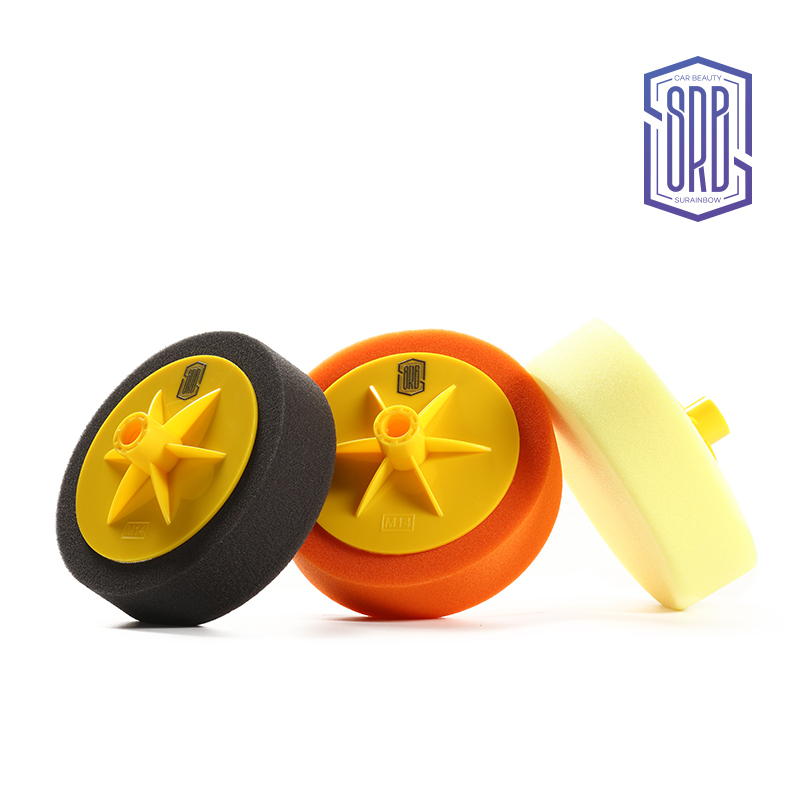
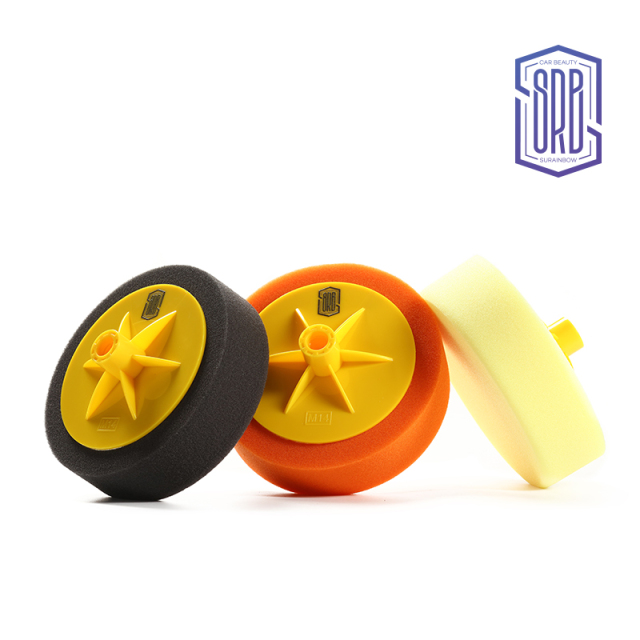
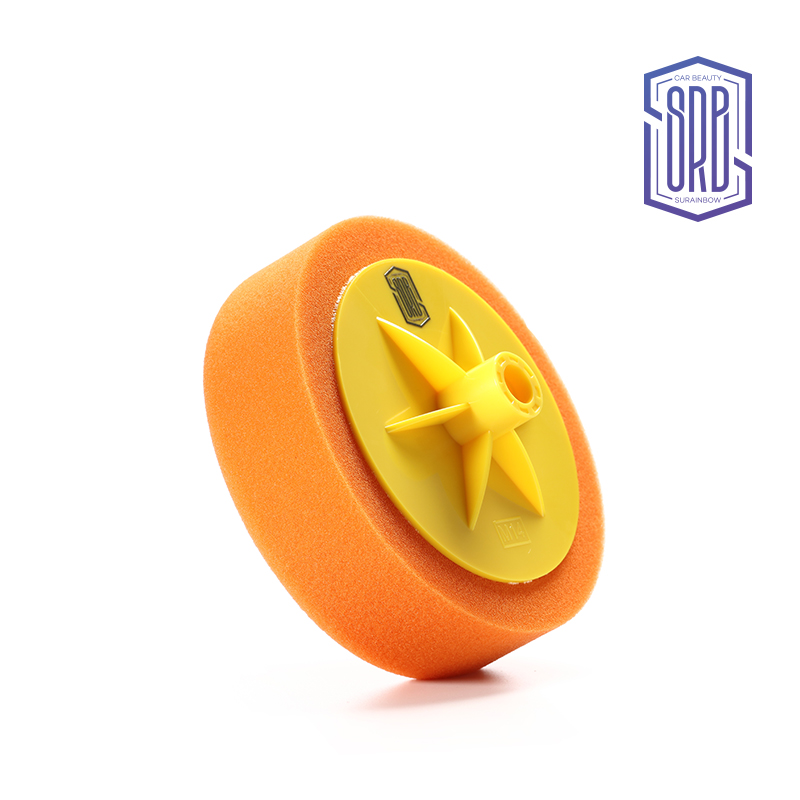
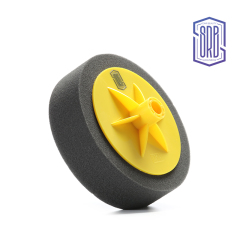
For polishing prepared automotive paint, the M14 Imported Polishing Ball - Orange provides a flat, porous foam working face supported by a yellow plastic mounting plate with a central attachment socket. The orange colour identifies the variant rather than a verified cutting or finishing grade, and polishing results depend on the separate polishing product, paint condition, equipment and technique. Before fitting, confirm the machine’s connection requirements, thread pitch, engagement depth, pad dimensions and permissible operating speed, then test on a discreet area of paint before wider application. SURAINBOW offers samples for evaluation before ordering and OEM service for private-label requirements, with packing of 100 pieces per box.
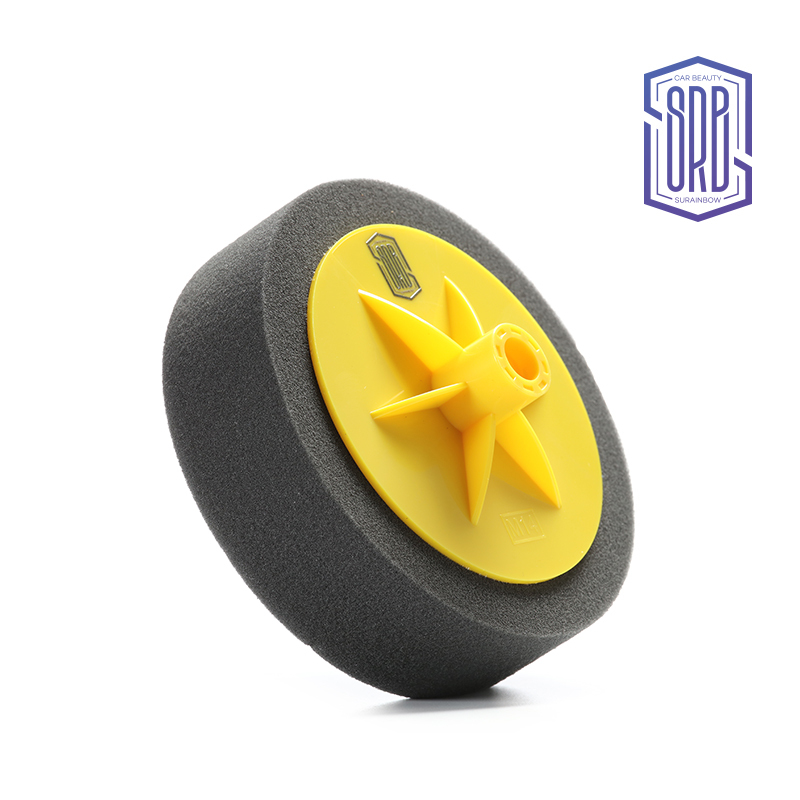
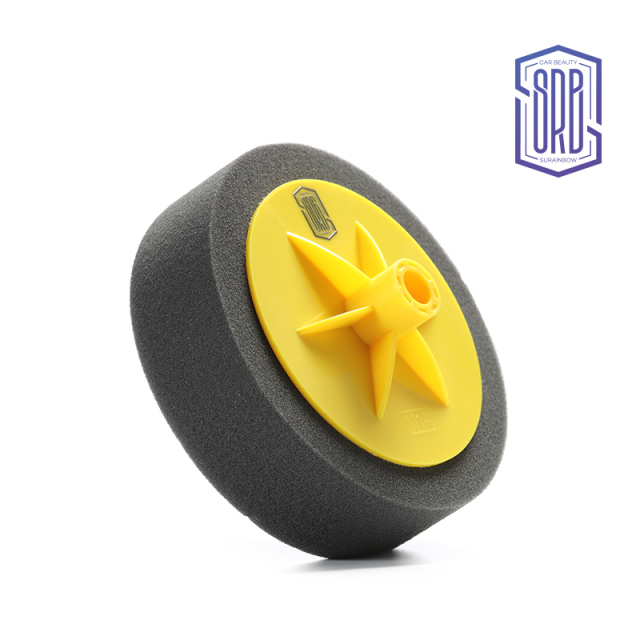
For the matching black variant, see the T-603C black polishing ball; either pad works with our nano-abrasive polish kit.
Product Details
| Property | Detail |
|---|
| Brand | SURAINBOW |
| Place of origin | Guangdong, China |
| Unit weight | 0.04 kg |
| Packing quantity | 100 pieces per box |
| Package dimensions per batch | 90 × 47 × 41 cm |
| Gross weight per batch | 9.240 kg |
| OEM service | Available for private-label requirements |
| Sample availability | Samples offered for evaluation before ordering |
Foam & Backing
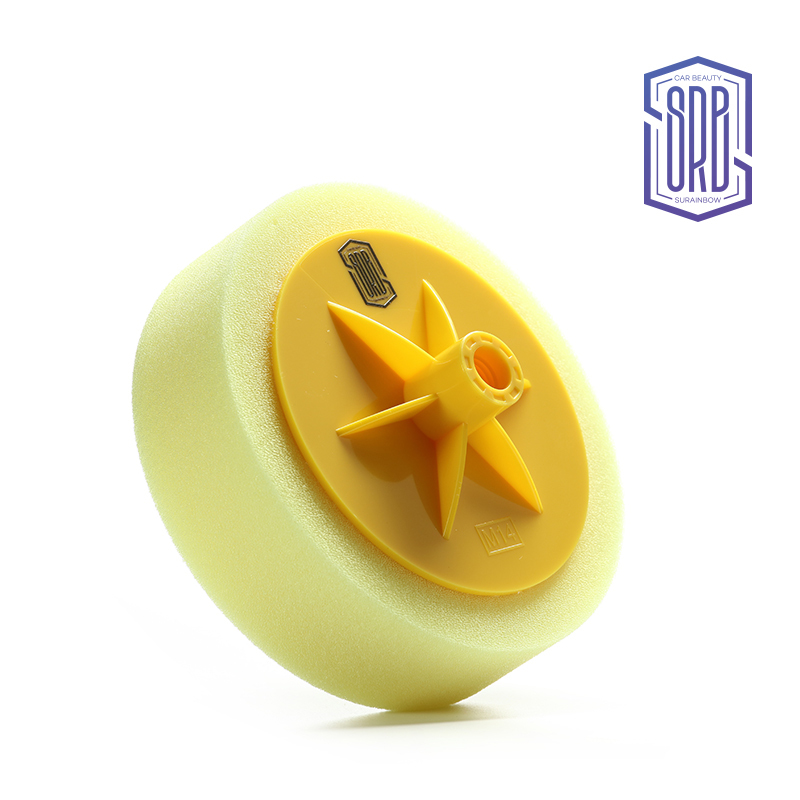
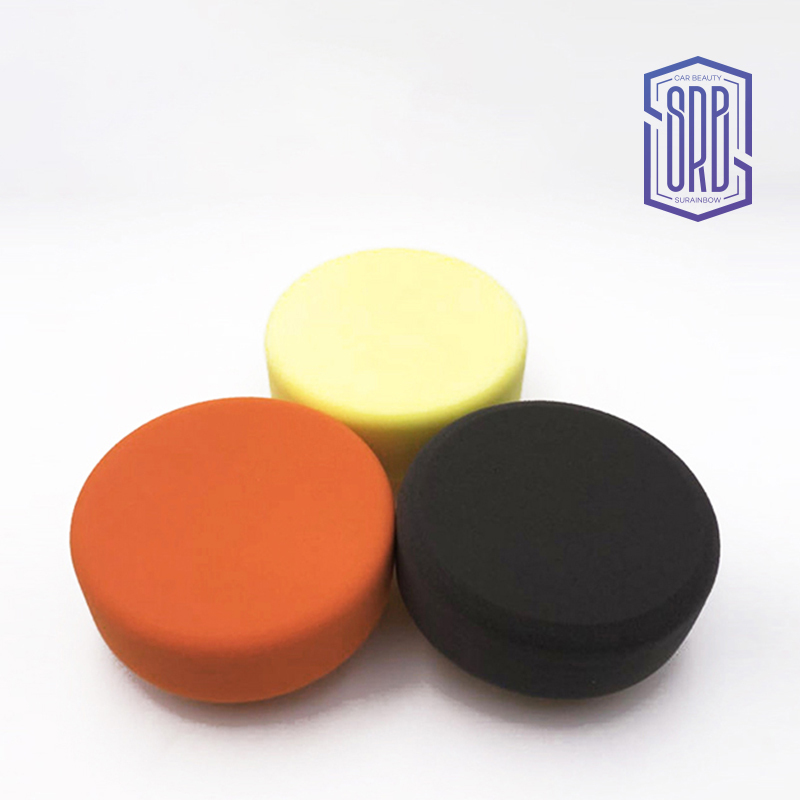
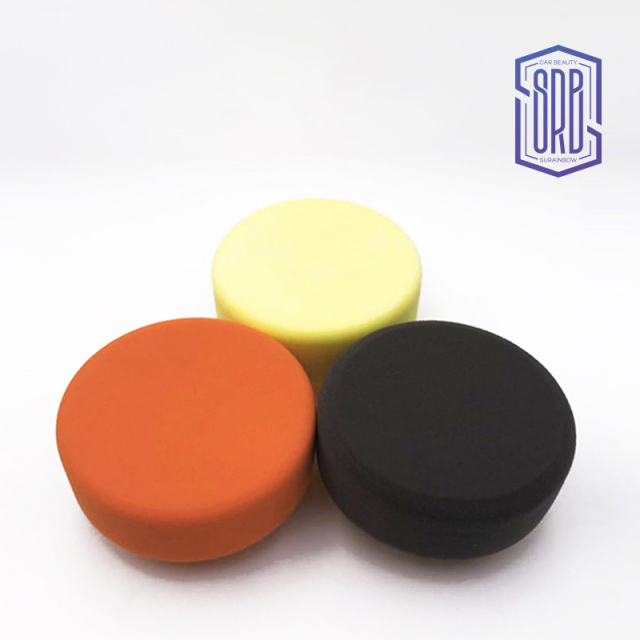
A flat, porous working face gives the orange sponge polishing ball a broad contact surface for polishing prepared automotive paint. The round foam body has visible thickness rather than a thin cloth-like profile; keep the working face evenly supported during use instead of concentrating pressure on an edge.
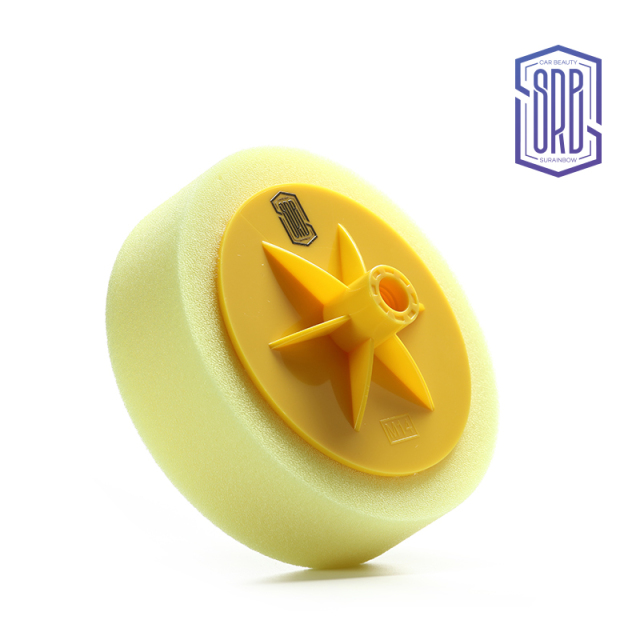
A yellow plastic mounting plate supports the foam from behind, with a central attachment socket on the reverse. The mounting side and polishing face have different jobs: the backing connects the accessory to the equipment, while only the foam face should contact the paint.
For a complete material declaration, the exact assembly composition—including whether it contains any wool—needs confirmation. The visible working surface is foam; the material descriptions should not be taken as a promise of a wool polishing face.
Used as a car paint polishing ball, the accessory works with a separate polishing product. Scratch correction depends on the abrasive, paint condition, equipment and technique; the pad alone neither supplies a scratch-removal formulation nor deposits a protective coating.
Equipment Fit
- M14 polishing ball T-603B carries the M14 designation, but attachment fit also depends on thread pitch, engagement depth and the machine's connection requirements.
- Replacement checks with a polishing ball supplier need the machine model and spindle details, not just a colour match; share those details with us before fitting.
- Working-face diameter, overall diameter and thickness need to be verified against the intended machine. The metric and inch size descriptions should not be treated as equivalent measurements.
- Approved machine type and permissible operating speed must be established for the intended setup; do not assume that rotary polishers, dual-action machines and drill attachments are interchangeable.
- With the machine disconnected from power, check that the attachment seats securely without forcing it and that the backing clears the housing or guard. Follow the equipment manufacturer's fitting instructions and stop if the assembly is loose or misaligned.
Paint Testing & Application
- Prepare the automotive paint by washing away dirt and removing contamination appropriate to the finish. Protect adjacent trim and sensitive edges, and do not extend use to glass, plated metal, matte paint or film without specific compatibility guidance.
- Test the M14 polishing ball T-603B on a discreet area before treating a wider surface. Orange identifies the variant, not a verified heavy-cut, medium-cut or finishing grade; assess the result with the intended paint and polishing product.
- Pair the car paint polishing ball with a polishing compound suitable for the finish and the intended correction task. Dilution, priming and product quantity come from that chemical's instructions; the solid accessory itself has no dilution ratio or liquid capacity.
- Keep the orange sponge polishing ball moving in controlled, overlapping passes within the equipment and compound instructions. Avoid prolonged work on one spot, excessive pressure or running the face dry when the polishing product requires lubrication.
- Remove polishing residue with a suitable clean towel and inspect the test area under consistent lighting. Check for the intended finish, haze, new marks and excessive heat before deciding whether to continue.
- For an oem polishing ball project, record the tested paint, machine, polishing product, operating method and acceptance result. Agree the test criteria and identify the approved test piece so later production can be compared under the same conditions.
Care & Inspection
Compound buildup on the orange sponge polishing ball can change the way the working face behaves. During use, follow the compound manufacturer's pad-cleaning guidance and remove accumulated residue rather than continually adding more product over it.
Separate a car paint polishing ball used with one abrasive from accessories used with another polishing stage. Keeping them clearly identified helps prevent coarse residue from being carried into a finer finishing operation.
After use, choose a cleaner compatible with the foam and backing assembly, remove remaining residue gently and avoid aggressive solvents unless their compatibility has been established. Do not wring or twist the foam against its mounting plate.
Allow the M14 polishing ball T-603B to dry thoroughly without direct heat, and keep the contact face away from grit between uses. A contaminated face should be cleaned before it touches paint again.
Inspect for tears, crumbling foam, separation from the backing, cracks around the socket or distortion that prevents even contact. Remove a damaged accessory from use rather than relying on a fixed replacement interval.
Ordering & Delivery
- Standard packing contains 100 pieces per box, with batch package dimensions of 90X47X41 cm and a gross batch weight of 9.240 kg.
- The minimum order is 100 pieces, and selling units are multiples of 100.
- General supply availability: In stock and fast shipping. Stock status and dispatch arrangements for your requested quantity and destination are confirmed before ordering.
- oem polishing ball orders are accepted. The exact branding and packaging scope depends on the project; agree artwork, label language, barcodes and carton marks, and approve any required packaging proof before production release.
- For a pre-order test piece, ask for current sample terms.
- Before dispatch, agree the balance or payment status, inspection arrangement, consignee details, shipping method and document handover. No fixed payment schedule or transit time is stated for this product.
- Work with us as your polishing ball supplier to establish the destination's required invoice, packing list, customs documents and material declaration. Check whether an SDS is applicable to this tool or to a separately supplied polishing chemical; document availability does not itself establish local market approval.
After-Sales & Batch Records
- Retain the order reference and any batch or carton identifiers supplied with the received accessories. For an oem polishing ball order, keep the approved artwork version with those records.
- If a concern appears, separate the affected accessories from usable stock and record the affected quantity. Preserve a representative unused piece where practical so its original condition can be examined.
- Photograph the whole accessory and the affected area, including the working face, backing or attachment socket as relevant. For a fitting or operating concern, include clear images of the machine connection.
- Record the polishing chemical, surface, machine settings, cleaning method and circumstances of use. These details help your polishing ball supplier distinguish a material concern from contamination, fitting or operating issues.
- Provide the records to us for review against the agreed specification. Where batch records, inspection records or retained pieces are required, establish their availability and scope for the particular order rather than assuming every accessory carries an individual identifier.
Scale & Supply Capability
We are Guangzhou Liangdian Automotive Supplies Co., Ltd., an integrated manufacturing and trading company founded in Guangzhou in 2010. With 50 employees, we supply a broad range of car care products to distributors, wholesalers and brand owners. Our range lets you source across categories through one supplier, with in-stock options and fast shipping. Alongside our SURAINBOW brand, we offer OEM/ODM customization, supported by a professional R&D team that can design and develop products around your requirements.
The T-603B polishing ball has a listed size of 10X10X2.5 cm, 5.5 inch.
FAQ
Does the orange colour indicate a specific cutting or finishing grade?
Orange identifies this product variant; it does not indicate a verified heavy-cut, medium-cut or finishing grade. Polishing results depend on the separate polishing product, paint condition, equipment and technique. Evaluate the pad with the intended compound on a discreet area of prepared automotive paint before applying it across a wider surface.
What specifications should we check before ordering this pad for our machines?
The T-603B carries an M14 designation, but fit also depends on thread pitch, engagement depth and the machine’s connection requirements. Verify the working-face diameter, overall diameter, thickness, approved machine type and permissible operating speed for your setup. Share the machine model and spindle details for replacement checks; rotary polishers, dual-action machines and drill attachments should not be assumed interchangeable.
Is the polishing face foam or wool, and what supports it?
The visible working face is flat, porous orange foam, supported by a yellow plastic mounting plate with a central attachment socket. The exact assembly composition, including whether it contains any wool, requires confirmation for a complete material declaration. Only the foam face should contact the paint, with the working face evenly supported during use rather than pressure concentrated on an edge.
Does the pad remove scratches or apply paint protection on its own?
The pad requires a separate polishing product and does not itself supply a scratch-removal formulation or deposit a protective coating. Correction depends on the abrasive, paint condition, equipment and technique. Select a polishing compound suitable for the finish and correction task, follow that chemical’s instructions for priming and product quantity, and test on a discreet area before wider application.